

In a world increasingly concerned with reducing waste and living more sustainably, buying and storing food in bulk has become a popular choice for environmentally conscious consumers. Beyond the significant reduction in packaging waste, bulk buying can save money, reduce carbon footprints, and allow for more mindful consumption. However, one of the challenges of bulk food shopping is finding effective, sustainable ways to label and store these loose ingredients once you bring them home.
This comprehensive guide will walk you through eco-friendly methods to organize your pantry while maintaining food freshness and reducing environmental impact.
Understanding the Environmental Impact of Conventional Food Packaging
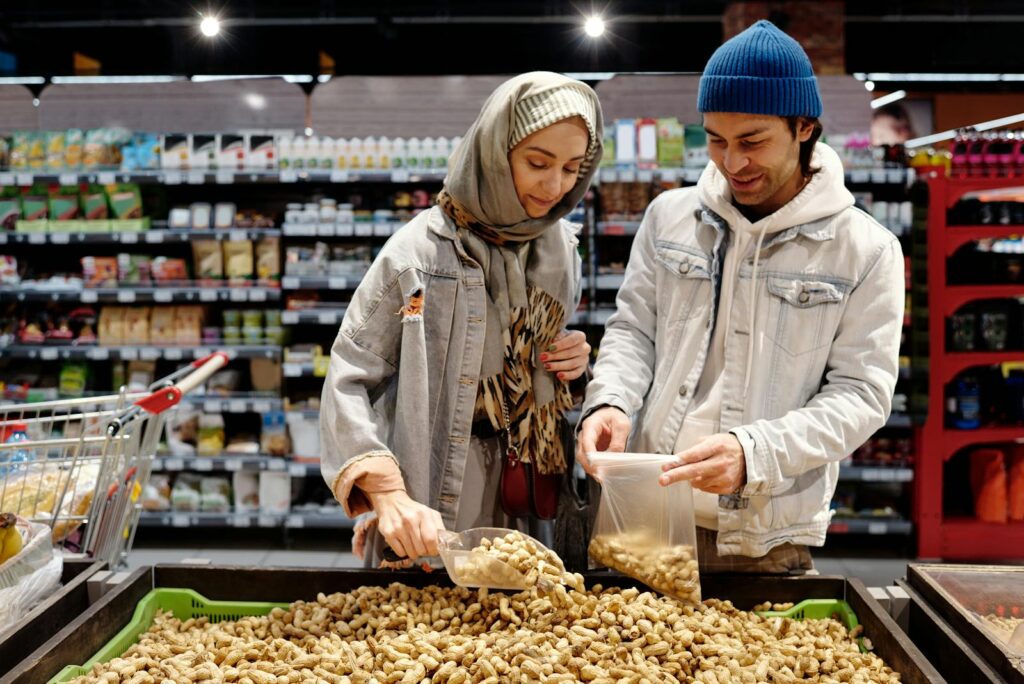
Traditional grocery shopping typically involves purchasing foods in single-use plastic containers, bags, and wrappers that ultimately end up in landfills or our oceans. These packaging materials can take hundreds of years to decompose, releasing harmful chemicals into the environment during the process. According to recent studies, food packaging accounts for approximately 40% of all plastic waste globally, with the average American generating about 4.4 pounds of trash daily, much of which comes from food packaging.
By switching to bulk food shopping, you can significantly reduce this waste stream, especially when you bring your own containers or use biodegradable bags. This simple change in shopping habits represents a meaningful step toward a more sustainable lifestyle that benefits both your household and the planet.
Benefits of Buying and Storing Foods in Bulk
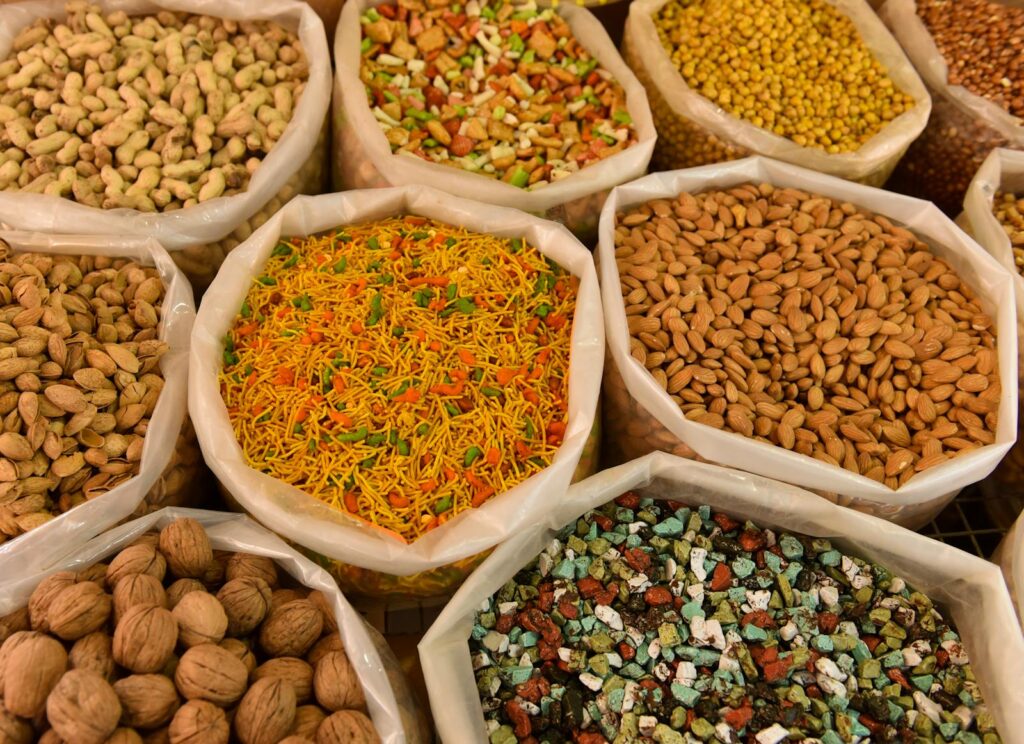
Purchasing foods in bulk offers numerous advantages beyond environmental benefits. From a financial perspective, bulk foods typically cost 30-50% less than their packaged counterparts because you’re not paying for expensive marketing and packaging. The ability to buy exactly the amount you need also reduces food waste, as you’re not stuck with excess quantities that might spoil before use. Nutritionally speaking, bulk foods often contain fewer preservatives and additives than their packaged equivalents, making them a healthier choice for many consumers.
Additionally, the visual appeal of a well-organized bulk food pantry can make cooking more enjoyable and efficient, encouraging home meal preparation rather than reliance on processed or takeout foods. This multifaceted approach to food storage represents a holistic way to improve your environmental impact, budget, and health simultaneously.
Choosing Sustainable Storage Containers
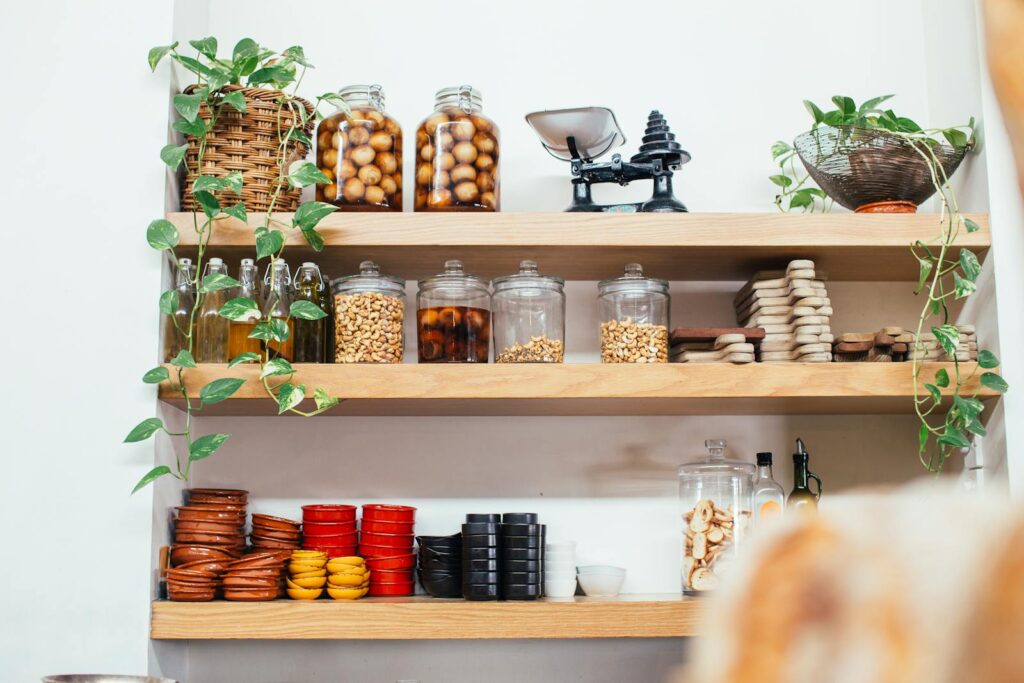
The foundation of a sustainable bulk food system begins with selecting appropriate containers that align with environmental values. Glass jars represent one of the most popular options due to their durability, non-toxic composition, and ability to be reused indefinitely without degradation. Mason jars, pasta sauce jars, and pickle jars can all be repurposed for food storage after thorough cleaning. Stainless steel containers offer another excellent alternative, providing durability and resistance to staining or absorbing odors, though they lack the visual appeal of transparent glass.
For those seeking lightweight options, consider containers made from recycled or biodegradable materials such as bamboo fiber composites or reclaimed plastics that have been certified BPA-free. When evaluating container options, consider the full lifecycle impact—ideally choosing products that can be reused for many years and eventually recycled or composted when they reach the end of their useful life.
Sustainable Labeling Materials and Methods
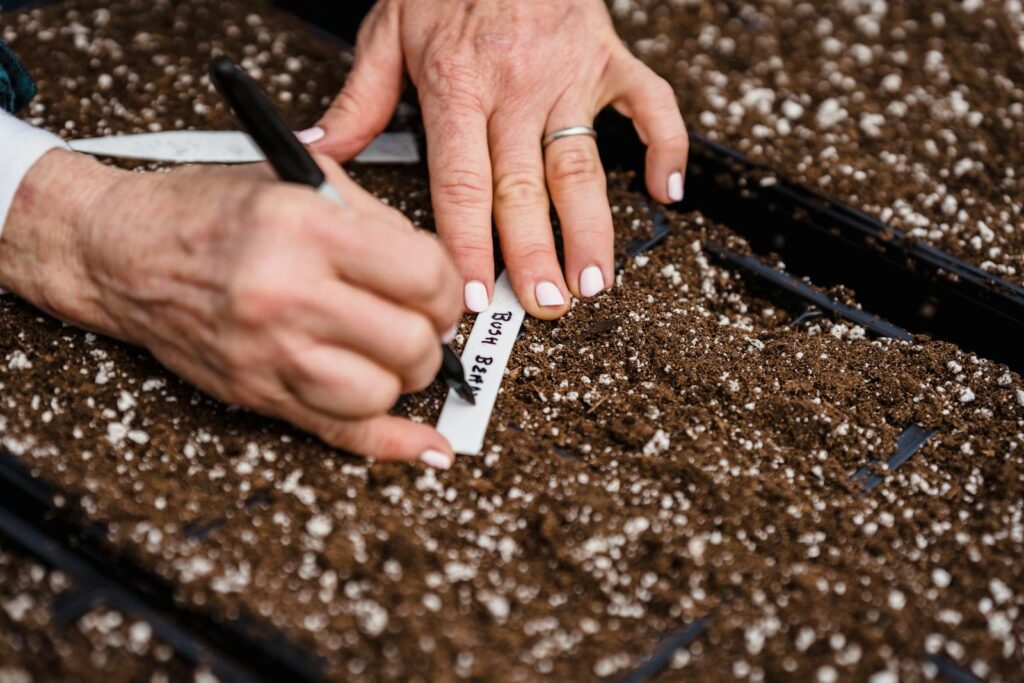
Creating an environmentally friendly labeling system requires thoughtful consideration of materials and techniques. Instead of plastic label makers or adhesive stickers that create waste, consider reusable alternatives like chalkboard paint applied directly to glass jars, allowing you to change contents as needed using chalk or chalk markers. Another elegant solution involves wooden or bamboo hang tags attached with twine or natural fiber string, which can be erased and rewritten countless times.
For those with artistic inclinations, water-based paint pens can be used to create beautiful, semi-permanent labels that can be removed with vinegar when it’s time to change contents. Some eco-conscious shoppers opt for silicone bands with small writable surfaces that slip around jars and can be easily moved between containers. Whatever method you choose, aim for a system that minimizes waste while maximizing clarity and flexibility as your pantry contents evolve over time.
Creating an Efficient Organization System
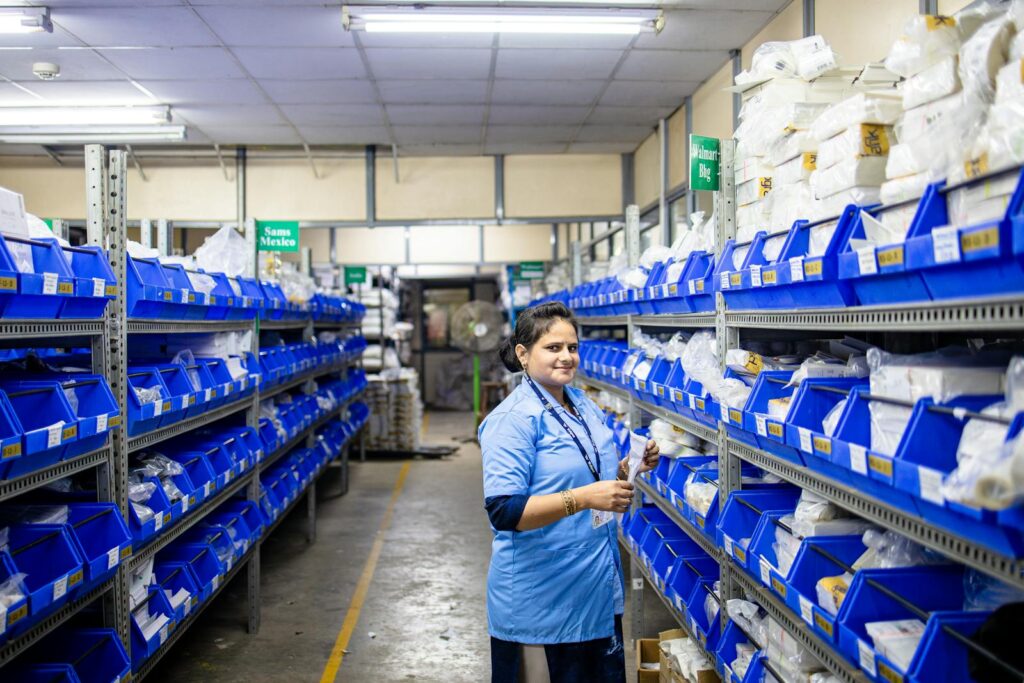
Developing a logical organization system for bulk foods is essential for accessibility and preventing food waste. Consider categorizing items by food type (grains, legumes, nuts, dried fruits, baking ingredients, etc.) or by frequency of use, placing daily items at eye level and occasional ingredients higher or lower. When designing your system, incorporate proper rotation practices by placing newer items behind older ones to ensure nothing languishes unused.
For large pantries, consider implementing a zone system where specific shelves or areas are dedicated to particular meal types or food categories. Take time to measure your storage space before purchasing containers to ensure they fit efficiently on your shelves, maximizing vertical space while maintaining easy access. An effective organization system should feel intuitive to everyone in your household, making cooking more efficient and reducing the likelihood that foods will be forgotten and eventually wasted.
Tracking Expiration Dates Sustainably

Managing the shelf life of bulk foods presents a unique challenge since items are removed from their original packaging with printed expiration dates. Create a sustainable tracking system by noting purchase dates on your labels using erasable methods like chalk markers or grease pencils that can be updated without generating waste. For more sophisticated tracking, consider keeping a small notebook or digital spreadsheet cataloging purchase dates, expected shelf life, and rotation schedules for items with shorter lifespans.
Many bulk foods have visual or olfactory indicators of freshness—nuts become rancid with a distinct smell, while grains may develop discoloration—so familiarize yourself with these natural cues. Rather than adhering strictly to arbitrary “best by” dates, develop skills to assess food quality through sensory evaluation, which can prevent unnecessary waste of perfectly good ingredients that remain safe and nutritious beyond conservative commercial dating systems.
DIY Label Creation with Upcycled Materials

Creating personalized labels from repurposed materials adds character to your pantry while further reducing environmental impact. Salvage cardboard from delivery boxes to craft sturdy hang tags that can be attached to container lids with twine or repurposed twist ties. Transform old calendars or magazines into decorative labels by cutting out appropriate shapes and applying them with homemade paste (simply mix flour and water) that remains removable when needed.
Fabric scraps can become elegant labels when written on with fabric markers and attached with natural twine or even thin strips cut from worn-out clothing items. For waterproof options, consider cutting sections from empty milk jugs or other plastic containers you’d otherwise recycle, giving these materials extended usefulness before they enter the waste stream. This creative approach to labeling not only reduces waste but also creates a unique aesthetic that makes your sustainable choices visually appealing.
Proper Storage Techniques for Different Food Types
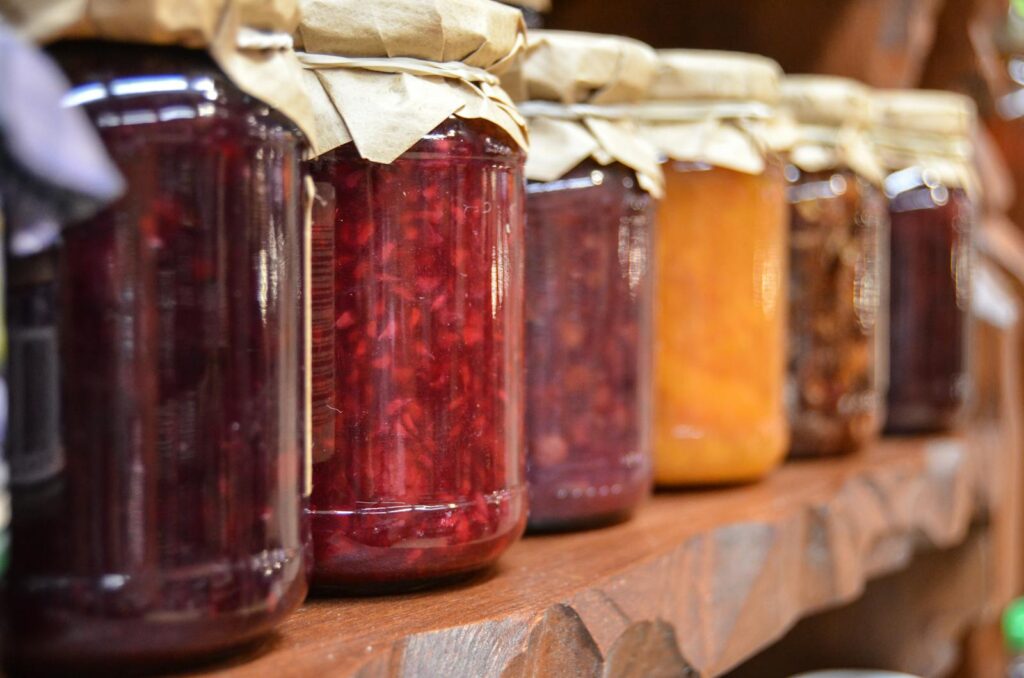
Different bulk foods require specific storage conditions to maintain freshness and nutritional value. Nuts, seeds, and whole grain flours contain natural oils that can become rancid when exposed to heat, light, or oxygen, making airtight containers stored in cool, dark locations essential for these items. Beans and dried legumes should be kept in completely dry environments to prevent premature sprouting or mold development.For hygroscopic ingredients like brown sugar or dried fruits that naturally absorb moisture from the air, consider adding small pieces of food-grade clay or terracotta that have been thoroughly dried in the oven to act as natural desiccants. Herbs and spices retain their potency longest when stored away from heat sources like stoves and direct sunlight, preferably in opaque containers that prevent light degradation of volatile oils.
Understanding these nuanced requirements allows you to create storage solutions tailored to each food category, maximizing shelf life naturally without chemical preservatives.
Preventing Food Waste Through Visibility and Rotation
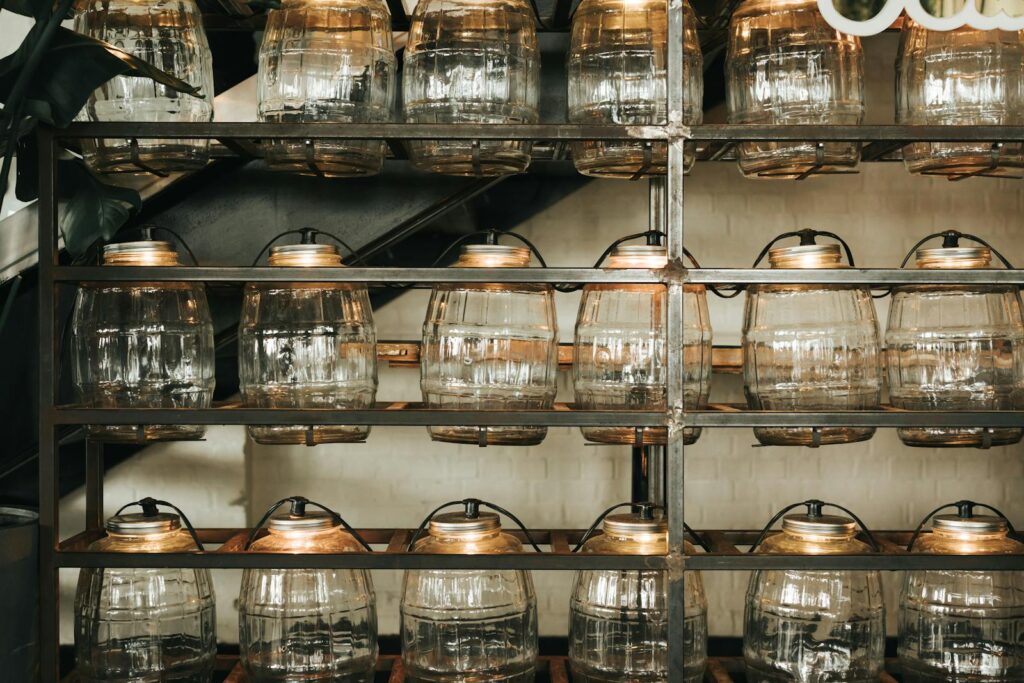
One of the key principles of sustainable food storage is maintaining visibility of your inventory to prevent forgotten items from spoiling. Transparent containers like glass jars allow for easy visual assessment of remaining quantities, helping you use items before they deteriorate. Implement the “first in, first out” (FIFO) rotation method used by professional kitchens by positioning older products at the front of your storage areas and placing newer purchases behind them. Consider establishing a designated area for items approaching the end of their optimal quality period, creating a visual reminder to incorporate these ingredients into upcoming meals. For dried goods that you’ve stored longer than recommended, research rejuvenation techniques—such as toasting nuts to restore flavor or soaking older beans longer before cooking—that can salvage ingredients that remain safe but have lost peak quality.
These thoughtful practices create a dynamic pantry system where food moves efficiently through your kitchen rather than languishing unused.
Sustainable Solutions for Moisture Control
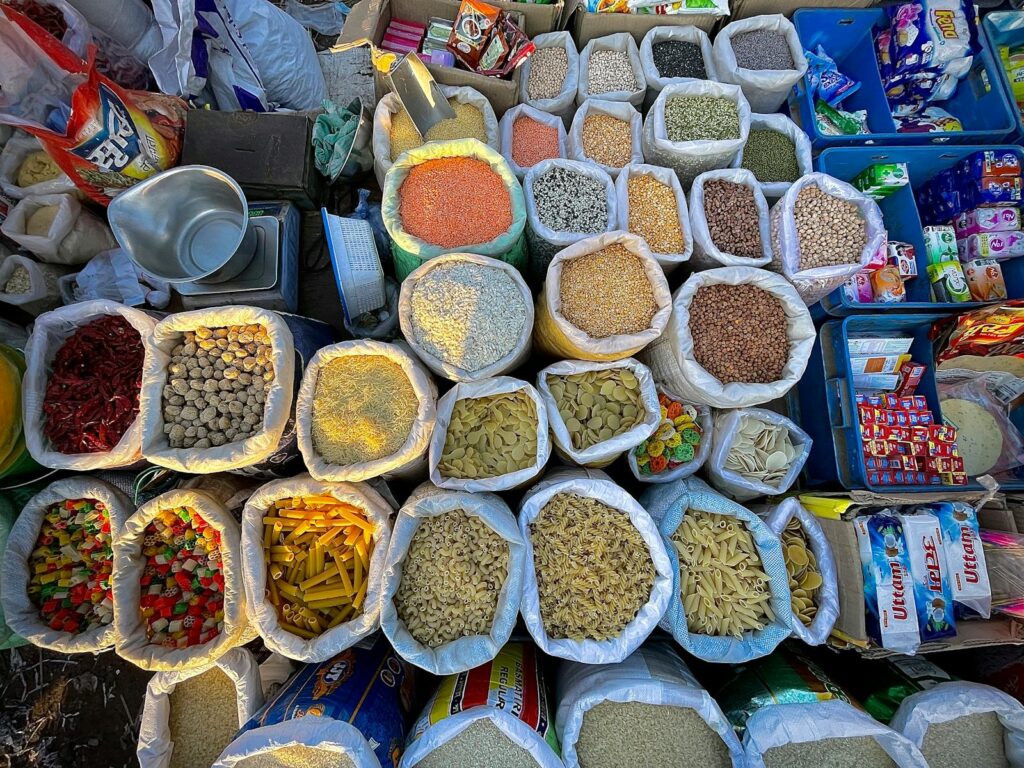
Controlling moisture is critical for preventing mold, bacteria growth, and insect infestations in bulk foods. Rather than using silica gel packets that eventually become waste, consider sustainable alternatives like small fabric pouches filled with rice, which naturally absorbs humidity and can be refreshed by brief oven drying when saturated. Small pieces of charcoal wrapped in breathable natural fabric offer another effective moisture-controlling option that can be reactivated by heating. For areas with extremely high humidity, food-grade diatomaceous earth can be placed in the bottom of containers with moisture-sensitive items, providing protection while remaining completely natural and compostable when no longer needed. Some traditional methods involve placing bay leaves, dried chili peppers, or cloves in grain containers, which not only help with moisture but also naturally deter common pantry pests through their essential oils.
These approaches maintain food quality while avoiding the synthetic materials commonly used in commercial moisture control products.
Community Resources for Bulk Food Shopping
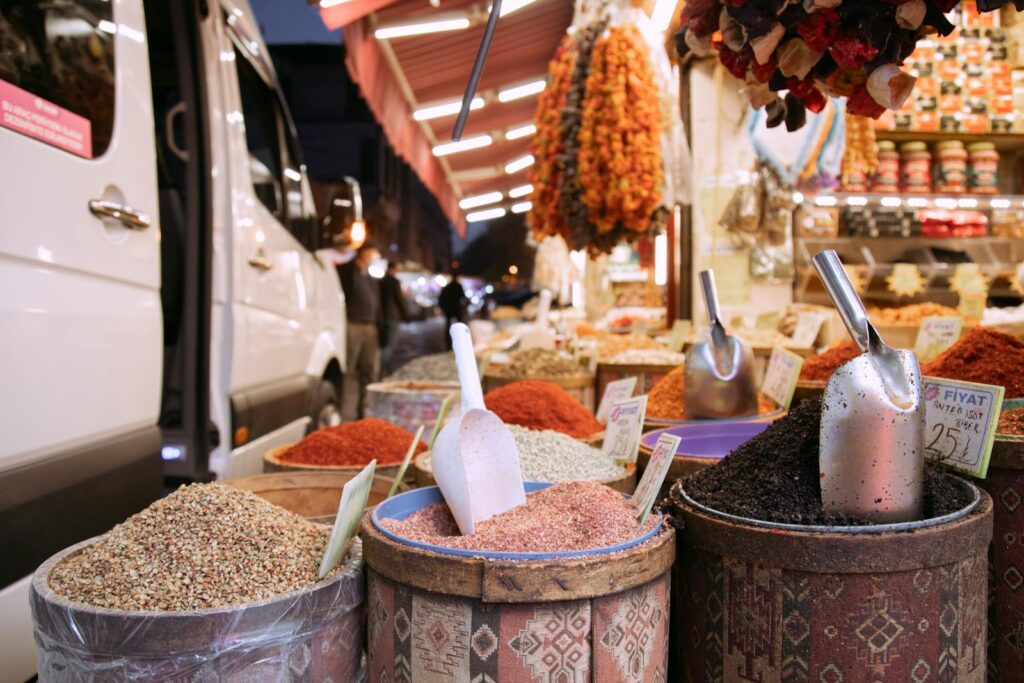
Building connections with like-minded individuals can significantly enhance your sustainable food storage journey. Many communities have established bulk buying clubs where members pool resources to purchase large quantities directly from producers or distributors, reducing both packaging and costs. Local zero-waste stores increasingly offer workshop sessions on topics like efficient food storage, natural preservation techniques, and creative ways to use bulk ingredients.Online forums and social media groups dedicated to zero-waste living provide valuable advice on sourcing unusual bulk items and troubleshooting storage challenges specific to different climates and living situations. Some communities have developed tool libraries that loan specialized equipment like vacuum sealers, dehydrators, or canning supplies that can extend the usefulness of bulk purchases without requiring individual ownership of these occasionally-used items.
These collaborative resources strengthen local sustainability networks while making bulk food management more accessible and enjoyable for everyone involved.
Troubleshooting Common Bulk Food Storage Problems

Even with careful planning, challenges can arise when storing foods in bulk. If you discover pantry moths or weevils in your stored grains, freeze affected items for 72 hours to eliminate eggs and larvae, then transfer to clean containers after thorough inspection rather than immediately discarding food that remains otherwise safe. For items that have absorbed unwanted odors from their environment, try placing them in an open container with a small dish of baking soda nearby for several days to neutralize unwanted scents.
If dried foods like beans or pasta have become excessively brittle, place a small piece of damp (not wet) natural fabric near them in a sealed container for 24 hours to restore appropriate moisture levels. For bulk flours that have developed clumps due to humidity exposure, sift before use rather than discarding, as the product typically remains safe and functional despite texture changes. These problem-solving approaches embody the sustainability mindset by seeking remediation rather than replacement whenever possible.
Creating a Sustainable Shopping Routine

Establishing consistent habits transforms sustainable bulk shopping from an occasional effort into an effortless lifestyle. Begin by conducting a thorough inventory of your current pantry, noting which items you use regularly and in what quantities, creating a personalized “par stock” list that guides future purchases. Assemble a dedicated shopping kit containing various reusable containers, bags, and a small notebook for recording PLU codes or weight information at the store.
Many experienced bulk shoppers recommend starting small—perhaps replacing just five packaged products with bulk alternatives—then gradually expanding as you develop comfort with the process. Consider establishing a regular schedule for pantry maintenance, perhaps monthly or quarterly, when you clean containers, check food quality, and reorganize based on changing seasonal cooking patterns. Over time, this systematic approach creates a virtuous cycle where sustainable choices become your default mode rather than requiring conscious effort with each shopping trip.
Integrating Technology with Sustainable Storage

While sustainability often focuses on traditional methods, thoughtfully applied technology can enhance your bulk food management system. Digital inventory apps allow you to track quantities, purchase dates, and anticipated use-by dates without paper waste, with some advanced options even generating shopping lists based on your usage patterns. QR codes printed on recycled paper or engraved on wooden tags can link to detailed information about food sources, cooking instructions, or nutritional data without cluttering physical labels.For those concerned about food safety, small Bluetooth temperature and humidity sensors powered by rechargeable batteries can monitor storage conditions in pantries or refrigerators, helping prevent spoilage through early detection of environmental changes. Some sustainability-minded consumers use digital kitchen scales to portion bulk ingredients precisely, reducing waste by preparing only what’s needed for specific recipes.
These technological tools, when chosen with attention to their own environmental impact, can complement traditional bulk storage methods while adding convenience and precision to your sustainable food management system
Conclusion
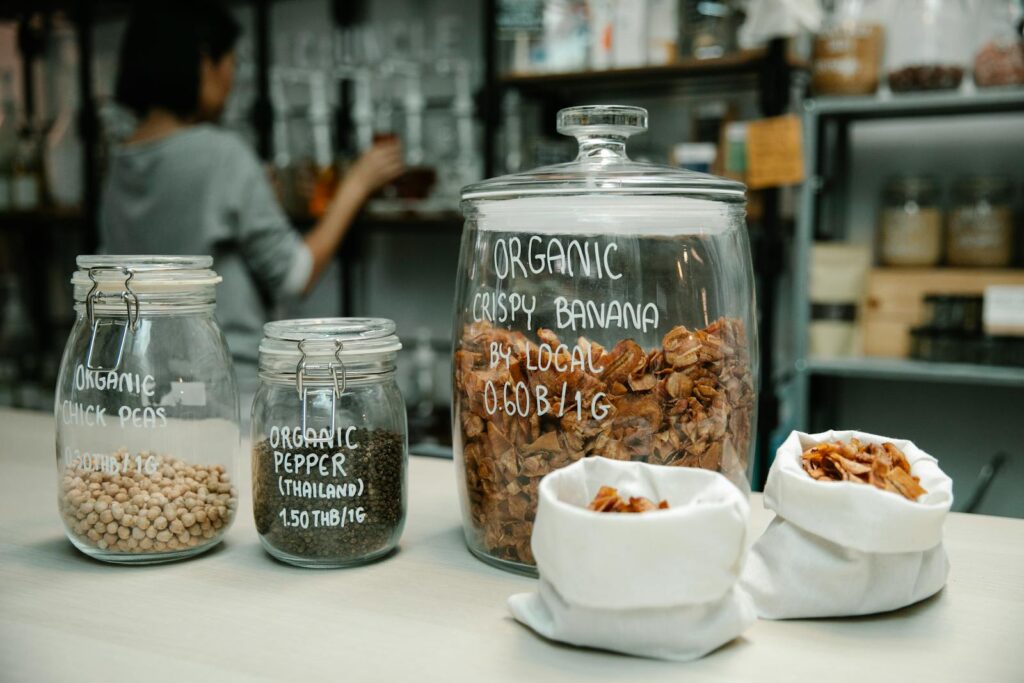
Sustainable labeling and storage of bulk foods represents a meaningful intersection of environmental consciousness, practical organization, and mindful consumption. By selecting appropriate containers, creating flexible labeling systems, and understanding the specific needs of different food types, you can build a pantry that reduces waste while enhancing your cooking experience. The journey toward sustainable food storage often begins as an environmental choice but evolves into a satisfying lifestyle that connects you more deeply with your food and its origins.
Whether you’re just beginning to explore bulk buying or looking to refine an established system, each small improvement contributes to a larger vision of conscious consumption that benefits both personal wellbeing and planetary health.