

In a world increasingly affected by climate change and environmental degradation, making sustainable choices has never been more crucial. Every day, we use dozens of disposable or environmentally harmful products without giving them a second thought. However, small changes in our purchasing habits can collectively make a significant impact on reducing waste, conserving resources, and protecting our planet.
By swapping conventional items for eco-friendly alternatives, we can all contribute to a more sustainable future while often saving money in the long run. Let’s explore ten practical and accessible sustainable swaps that can help transform your daily routine into an environmentally conscious lifestyle.
Reusable Water Bottles Instead of Single-Use Plastic
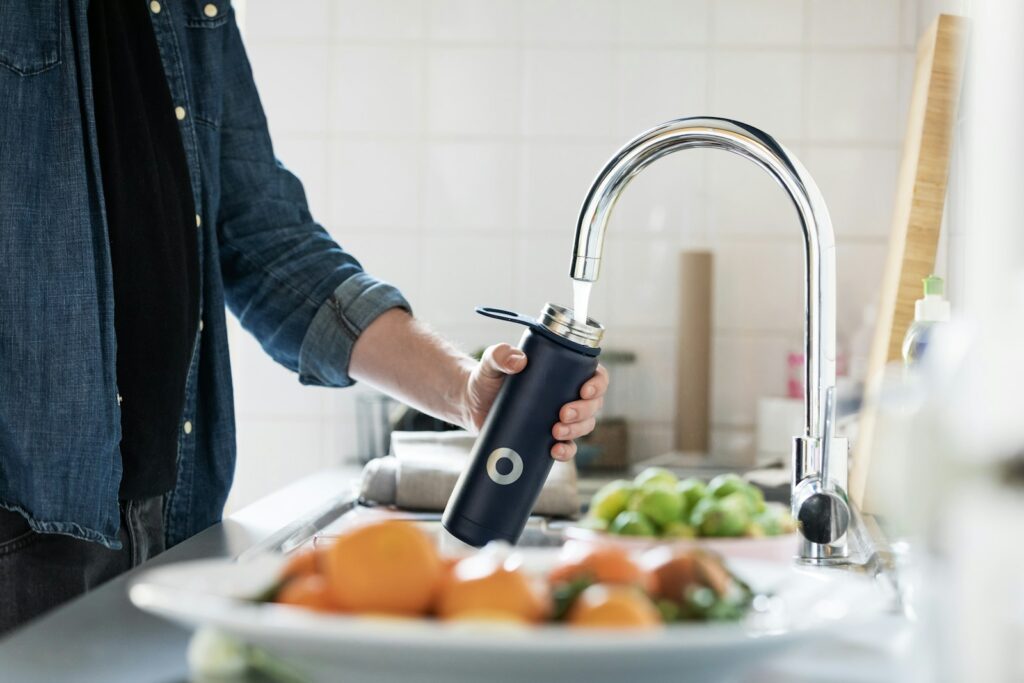
Plastic water bottles represent one of the most pervasive environmental problems facing our oceans and landfills today. Americans alone use approximately 50 billion plastic water bottles annually, with the majority ending up in landfills or as litter despite recycling efforts. A high-quality stainless steel or glass water bottle is a one-time purchase that can eliminate hundreds of plastic bottles from your yearly consumption. These durable alternatives not only reduce waste but often keep beverages at your preferred temperature for hours.
Many municipalities now feature water refill stations in public spaces, making it easier than ever to stay hydrated without creating waste. Additionally, studies suggest that reusable bottles are healthier as they don’t leach chemicals into your water like some plastics can.
Beeswax Wraps as an Alternative to Plastic Wrap
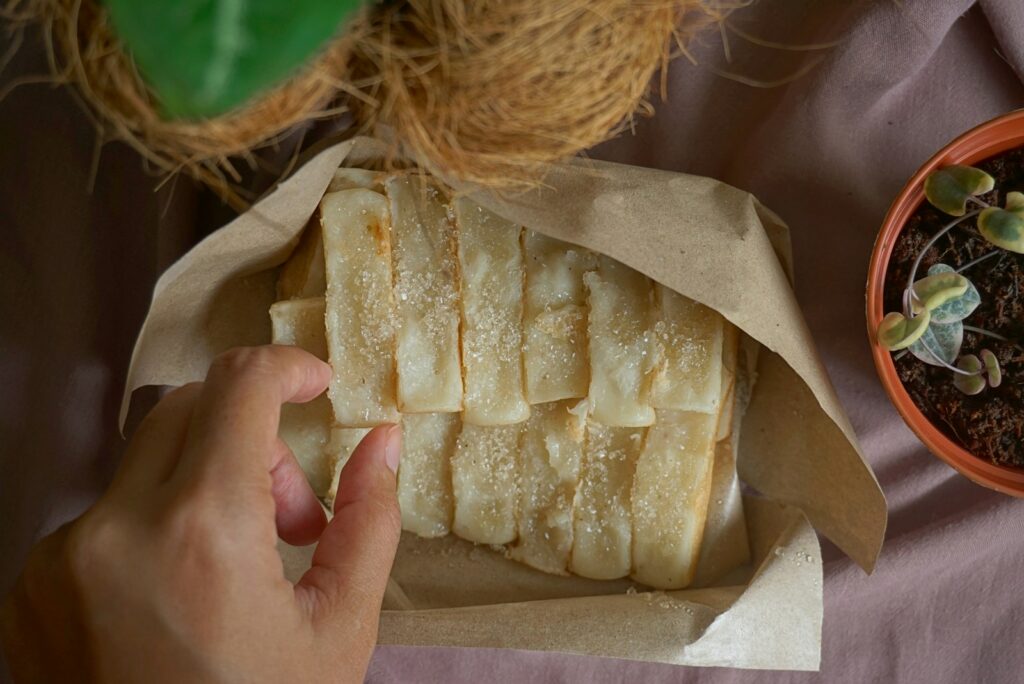
Plastic cling wrap is a kitchen staple that contributes significantly to our single-use plastic problem, with most pieces used once before being discarded. Beeswax wraps offer an ingenious solution – made from cotton infused with beeswax, jojoba oil, and tree resin, these wraps mold around containers or food items with the warmth of your hands. Unlike plastic wrap, beeswax wraps are breathable, allowing food to stay fresh naturally while preventing moisture buildup.
With proper care, a single beeswax wrap can last up to a year before needing replacement, and when it finally wears out, it’s completely compostable. For those following vegan lifestyles, similar wraps made with plant-based waxes provide the same benefits without animal products.
Bamboo Toothbrushes to Replace Plastic Ones
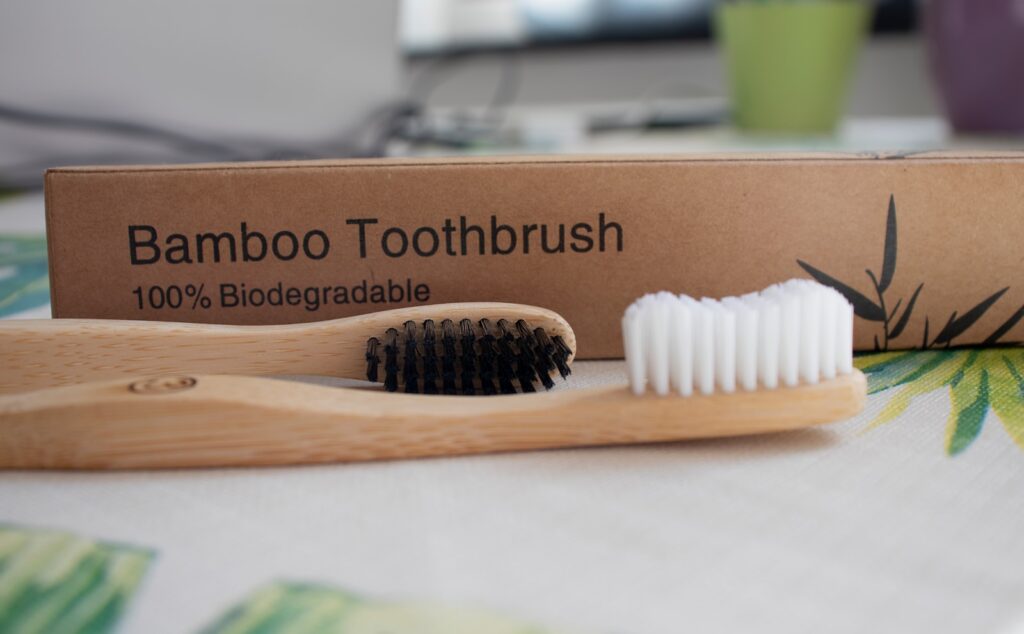
The humble toothbrush represents a surprising environmental challenge – with the average person using 300 toothbrushes in their lifetime, billions of plastic toothbrushes end up in landfills and oceans annually. Bamboo toothbrushes offer a sustainable alternative with handles made from one of the fastest-growing plants on Earth. Bamboo naturally has antimicrobial properties, making it ideal for bathroom use, and it biodegrades completely when properly disposed of, usually within six months in commercial composting conditions.
While most bamboo toothbrushes still use nylon bristles that need to be removed before composting, manufacturers are increasingly exploring fully biodegradable options like pig hair (though these aren’t suitable for vegans) or plant-based bristles. Some companies even offer take-back programs for recycling the bristles separately from the compostable handle.
Reusable Shopping Bags for Grocery Trips
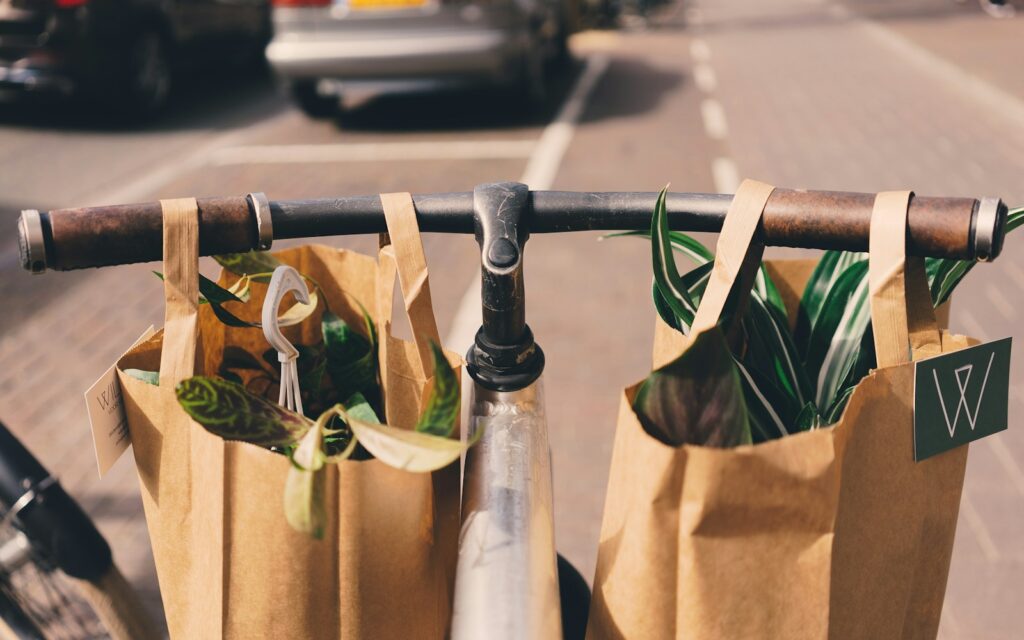
Plastic shopping bags have become a symbol of our throwaway culture, with the average bag used for just 12 minutes before disposal yet taking up to 1,000 years to decompose in landfills. Reusable shopping bags made from materials like cotton, jute, or recycled plastics can replace hundreds of single-use bags each year. Cotton bags, while requiring more resources to produce initially, become the most environmentally friendly option after about 50 uses compared to single-use plastic bags.
For maximum sustainability impact, look for bags made from organic cotton, recycled materials, or hemp, which requires fewer pesticides and water to grow than conventional cotton. Keep several bags in your car, by the door, or folded in your purse or backpack to ensure you’re never caught without them on unexpected shopping trips.
Silicone or Metal Straws Instead of Plastic Ones
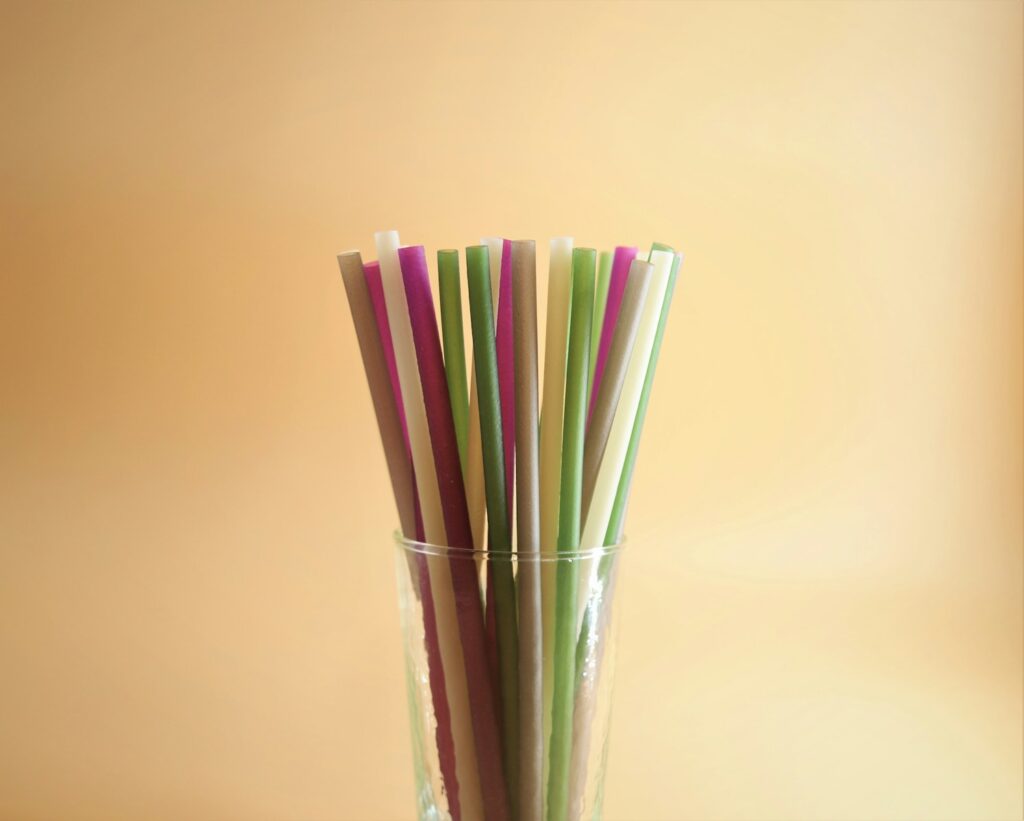
Plastic straws may seem inconsequential due to their small size, but Americans use an estimated 500 million straws daily, most of which end up in landfills or waterways where they pose serious threats to marine wildlife. Reusable alternatives like stainless steel, glass, silicone, or bamboo straws offer a simple solution to this pervasive problem. Each reusable straw can prevent hundreds of plastic straws from entering the waste stream over its lifetime.
Stainless steel straws provide durability and are dishwasher-safe, while silicone tips can be added for those with sensitive teeth or for hot beverages. Many reusable straws come with specialized cleaning brushes and carrying cases, making them convenient for on-the-go use. For those who prefer the flexibility of disposable options, paper or pasta straws provide biodegradable alternatives for occasional use.
Menstrual Cups and Period Underwear
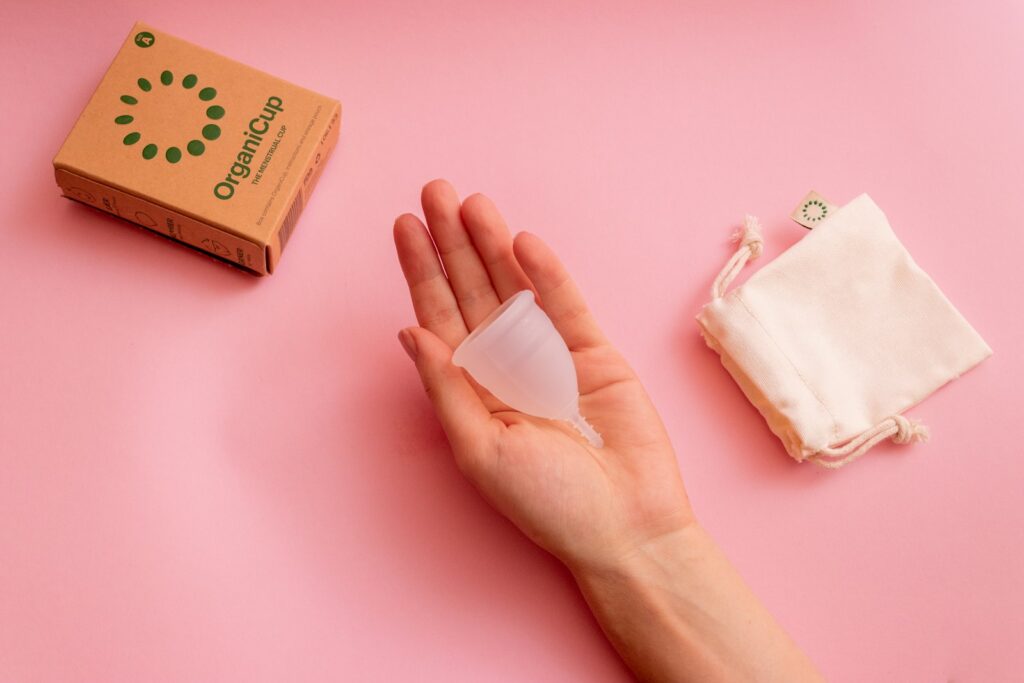
Traditional menstrual products create an enormous amount of waste, with the average person who menstruates using approximately 11,000 disposable products in their lifetime. Menstrual cups, typically made from medical-grade silicone, provide a reusable alternative that can last up to 10 years with proper care, potentially replacing thousands of tampons or pads. Beyond environmental benefits, many users report reduced cramping, less odor, and significant cost savings – a single cup costing $30-40 can replace years of monthly purchases.
Period underwear offers another innovative solution, with specially designed absorbent layers that can be washed and reused for years. These products have evolved significantly in recent years, with various sizes, shapes, and absorbency levels available to suit different body types and flow patterns. For those not ready to make a complete switch, reusable cloth pads or organic cotton disposables provide intermediate options with reduced environmental impact.
Solid Shampoo and Conditioner Bars
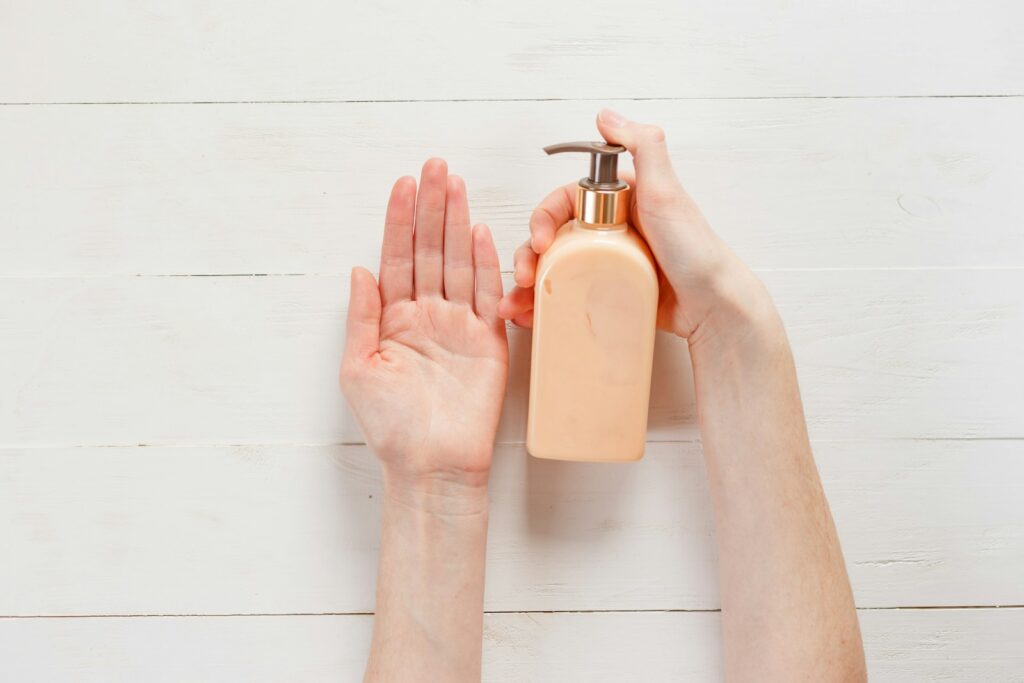
The bathroom is often overlooked in sustainability conversations, yet plastic shampoo and conditioner bottles contribute millions of tons to landfills annually. Solid shampoo and conditioner bars eliminate the need for plastic packaging entirely, with each bar typically equivalent to 2-3 bottles of liquid product. These concentrated formulations not only reduce plastic waste but also eliminate the transportation of water (the main ingredient in liquid products), resulting in a significantly lower carbon footprint. Quality bars are formulated with natural ingredients that nourish hair without harsh sulfates or parabens commonly found in conventional products.
To use solid hair care products effectively, many users recommend a transition period of a few weeks as hair adjusts to the new formulation, and using an apple cider vinegar rinse occasionally can help remove any buildup. When stored properly on a soap dish that allows drainage, these bars can last for months of daily use.
Rechargeable Batteries Over Disposables
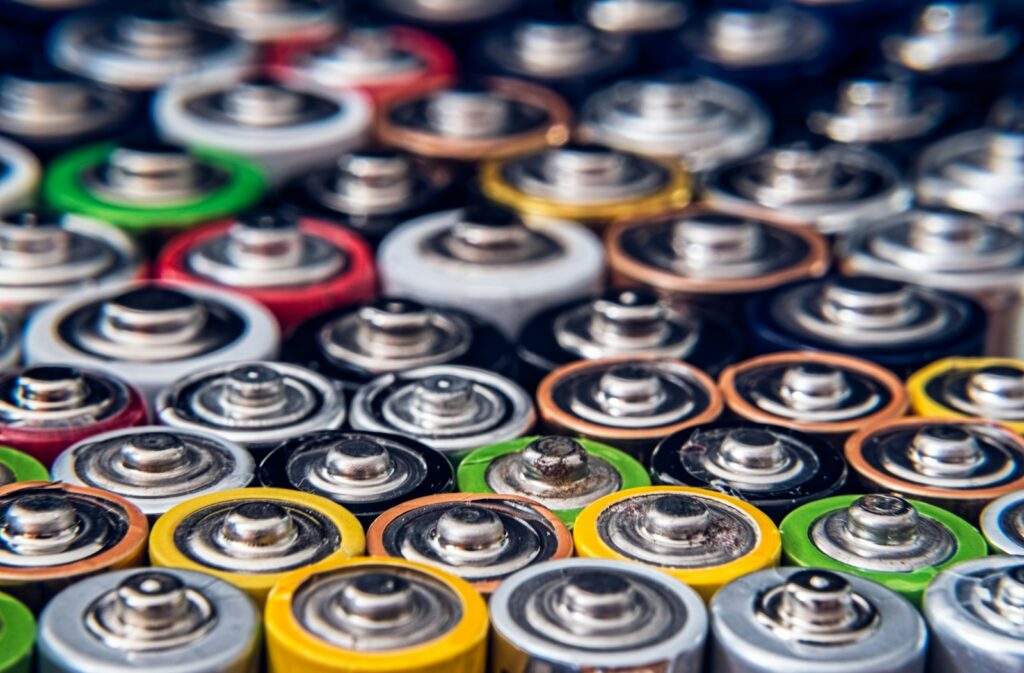
Disposable batteries contain heavy metals and chemicals that can leach into soil and water when improperly disposed of, making them a significant environmental hazard. Modern rechargeable batteries have overcome many of the limitations of earlier versions, with today’s options holding charges longer and providing more consistent power output. A single set of rechargeable batteries can replace 50-1,000 disposable batteries over their lifetime, depending on the type and usage patterns.
While the initial investment is higher, rechargeable batteries typically pay for themselves after 5-10 charging cycles, making them economically advantageous in the long run. For maximum sustainability, look for batteries with recycling programs at the end of their useful life, and consider solar-powered chargers to further reduce the environmental impact of keeping your devices powered.
Reusable Coffee Cups for Your Daily Caffeine Fix
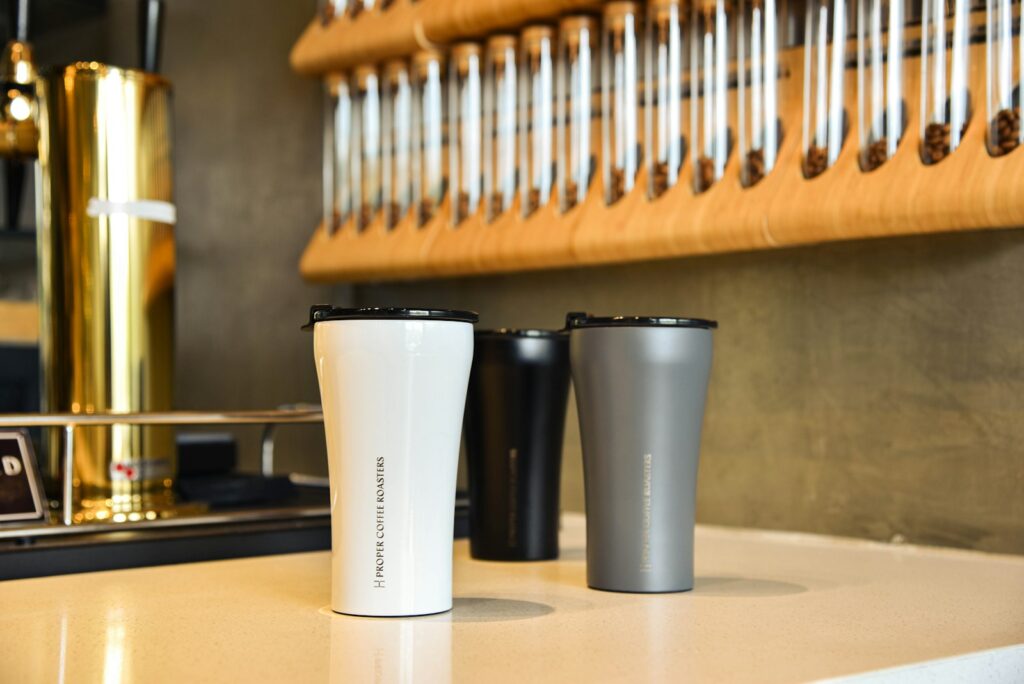
Coffee culture has exploded globally, but so has the waste associated with it – billions of coffee cups are discarded annually, with most featuring a plastic lining that prevents recycling in standard facilities. Reusable coffee cups made from materials like glass, ceramic, or stainless steel offer a simple solution to this growing problem. Many coffee shops now offer discounts to customers who bring their own cups, creating both environmental and economic incentives for making the switch.
For maximum convenience, collapsible silicone cups that fold down when not in use can be easily carried in purses or backpacks. Beyond the cup itself, consider other aspects of your coffee routine that could be more sustainable, such as using a French press or pour-over system instead of single-serving pods, or selecting coffee beans that are organic and fair trade certified.
Cloth Napkins and Reusable Paper Towels
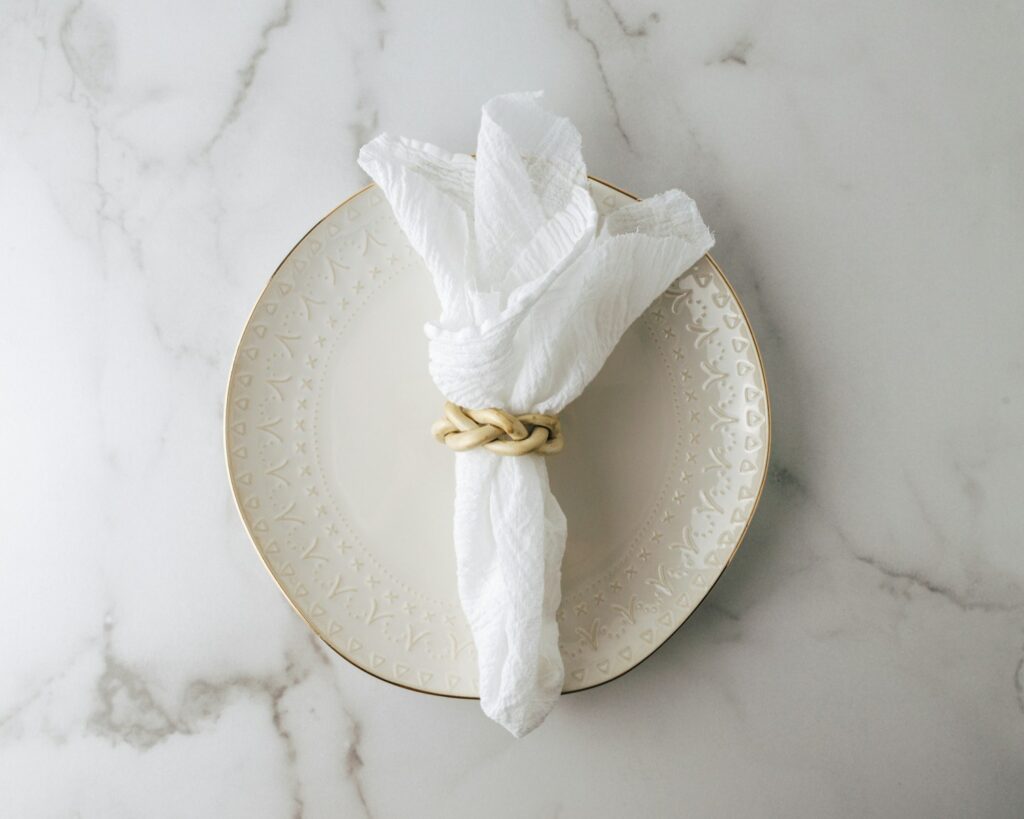
Paper towels and napkins represent a significant source of household waste, with Americans using more paper towels than residents of any other country – approximately 13 billion pounds annually. Cloth napkins provide an elegant and sustainable alternative that can be used hundreds of times before showing wear, particularly when made from durable natural fibers like cotton, linen, or hemp. For kitchen cleanup, “unpaper towels” – reusable cloths made from absorbent materials – can handle most tasks traditionally assigned to paper towels.
These cloths can be stored on a countertop roll or in a basket near the sink for easy access. A family switching to cloth alternatives can eliminate hundreds of dollars in paper product purchases annually while significantly reducing their household waste stream. For maximum sustainability, wash these items with full loads using eco-friendly detergents and line-dry when possible.
Safety Razors Instead of Disposable Plastic Ones
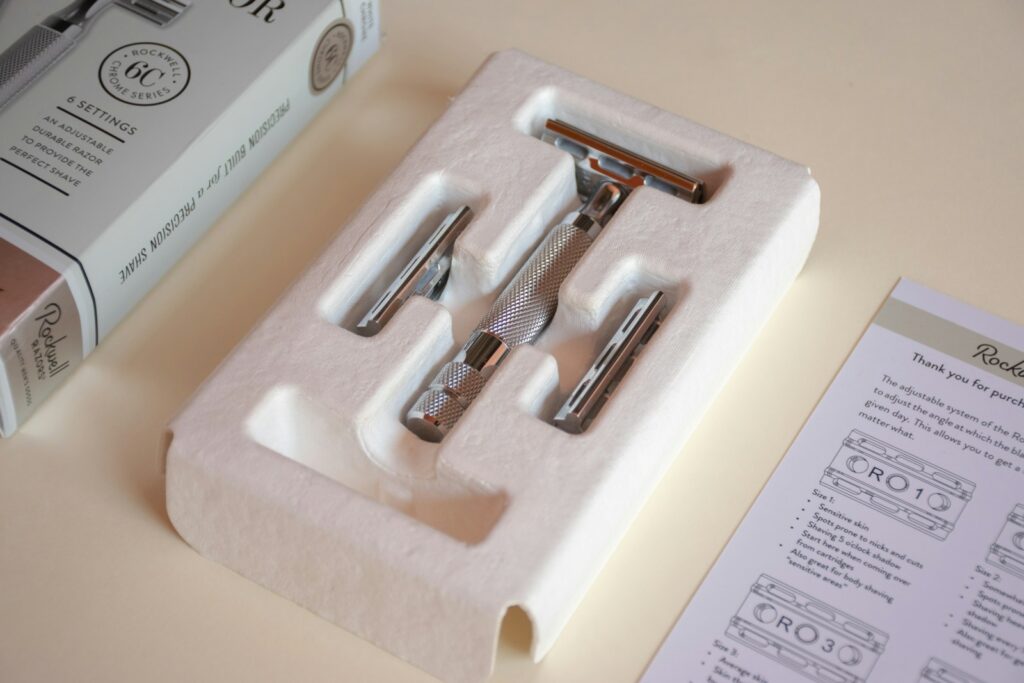
Disposable razors and cartridges combine plastic and metal in ways that make recycling nearly impossible, with billions ending up in landfills annually. Safety razors provide a return to a simpler, more sustainable approach with a stainless steel handle that can last a lifetime and replaceable metal blades that are fully recyclable. While the initial investment in a quality safety razor might be $20-100, the replacement blades cost mere pennies compared to expensive cartridges, potentially saving hundreds of dollars over years of use. Many users report a closer shave with fewer instances of ingrown hairs and irritation after adapting to the slightly different technique required.
For those concerned about safety, modern designs feature improved guards and balanced weight distribution that make them easier to use than vintage models. Companies like Albatross and other specialty retailers even offer blade take-back programs to ensure proper recycling of used blades.
Conclusion: Embracing a Sustainable Lifestyle One Swap at a Time

Transitioning to a more sustainable lifestyle doesn’t require radical change overnight – implementing even one or two of these swaps can make a meaningful difference over time. The most successful approach is gradual adoption, replacing items as they wear out or as your budget allows rather than discarding usable products prematurely. Remember that sustainability is a journey rather than a destination, with each person’s path looking slightly different based on their specific circumstances and priorities. As these sustainable alternatives become more mainstream, their prices continue to decrease while availability increases, making eco-friendly choices more accessible to everyone.
By sharing your positive experiences with friends and family, you can help normalize these practices and create ripple effects that extend far beyond your individual impact. The collective power of millions making small, consistent changes represents our best hope for creating a more sustainable and environmentally responsible world for future generations.