

In a world increasingly conscious of environmental impact, buying secondhand furniture has emerged as both a stylish and responsible choice. Beyond the obvious financial benefits, purchasing pre-loved pieces significantly reduces waste, minimizes resource consumption, and often results in unique, character-filled homes.
This comprehensive guide explores how to navigate the secondhand furniture market with sustainability as your compass, ensuring your decorating choices align with environmental values while creating spaces that reflect your personal style. Whether you’re furnishing your first apartment or simply looking to make more eco-conscious decisions, these insights will help you transform your home sustainably, one piece at a time.
Understanding the Environmental Impact of Furniture
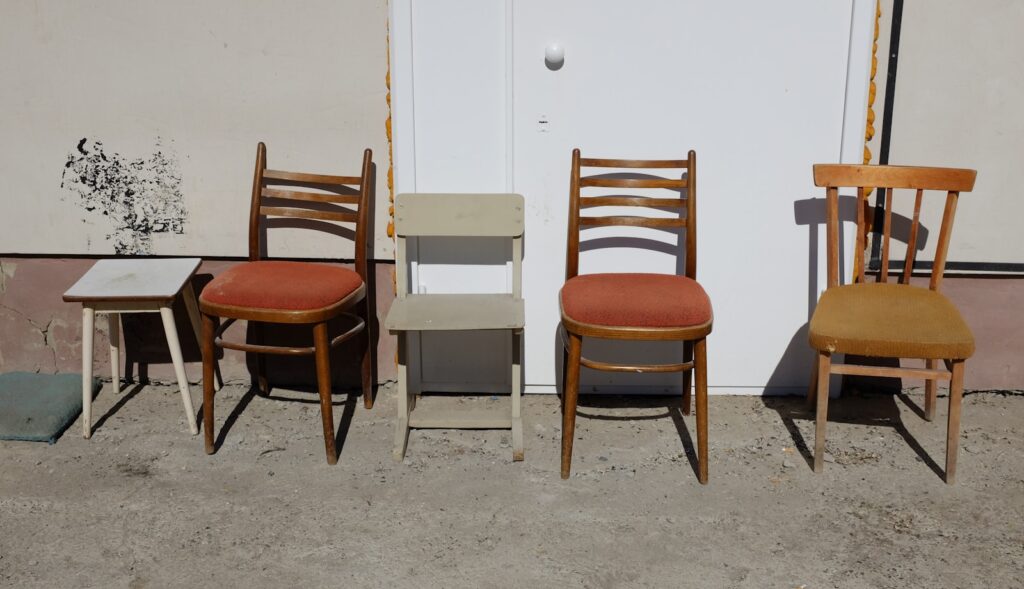
The furniture industry leaves a substantial environmental footprint that many consumers rarely consider when making purchasing decisions. New furniture production requires vast amounts of raw materials, with wood furniture contributing to deforestation and synthetic materials deriving from petroleum-based processes. Manufacturing these pieces demands significant energy consumption, with factories releasing carbon emissions and often utilizing harmful chemicals that pollute waterways.
Additionally, the shipping of new furniture—often from overseas factories—creates substantial carbon emissions through global transportation networks. By choosing secondhand furniture, you effectively extend the lifecycle of existing pieces, preventing them from entering landfills where bulky furniture items can take decades or even centuries to decompose while releasing methane, a potent greenhouse gas.
Benefits of Buying Secondhand Furniture
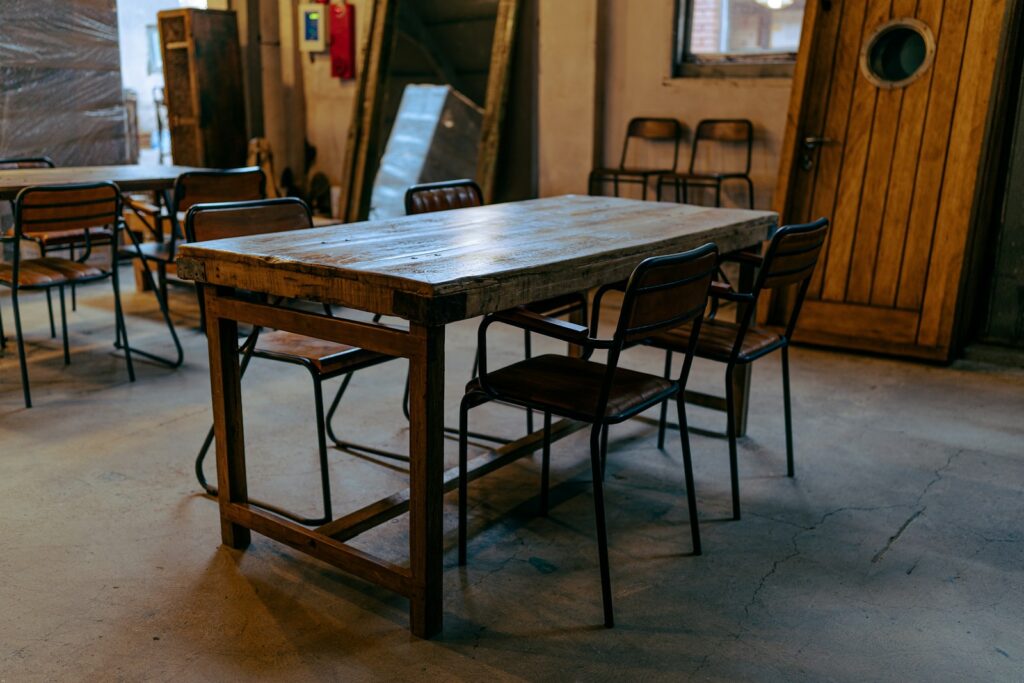
Opting for secondhand furniture offers multiple advantages beyond just environmental benefits. From a financial perspective, pre-owned pieces typically cost 50-80% less than their new counterparts, allowing you to furnish your space with higher quality items than your budget might otherwise allow. Vintage and antique furniture often features superior craftsmanship with solid wood construction and traditional joinery techniques that far outlast many contemporary mass-produced items.
The character and uniqueness of secondhand pieces add distinctive personality to your home, avoiding the cookie-cutter aesthetic that can result from purchasing complete furniture sets from modern retailers. Furthermore, older furniture was frequently manufactured before the era of synthetic chemicals and treatments, potentially meaning fewer volatile organic compounds (VOCs) and other potentially harmful substances in your living environment.
Where to Find Quality Secondhand Furniture
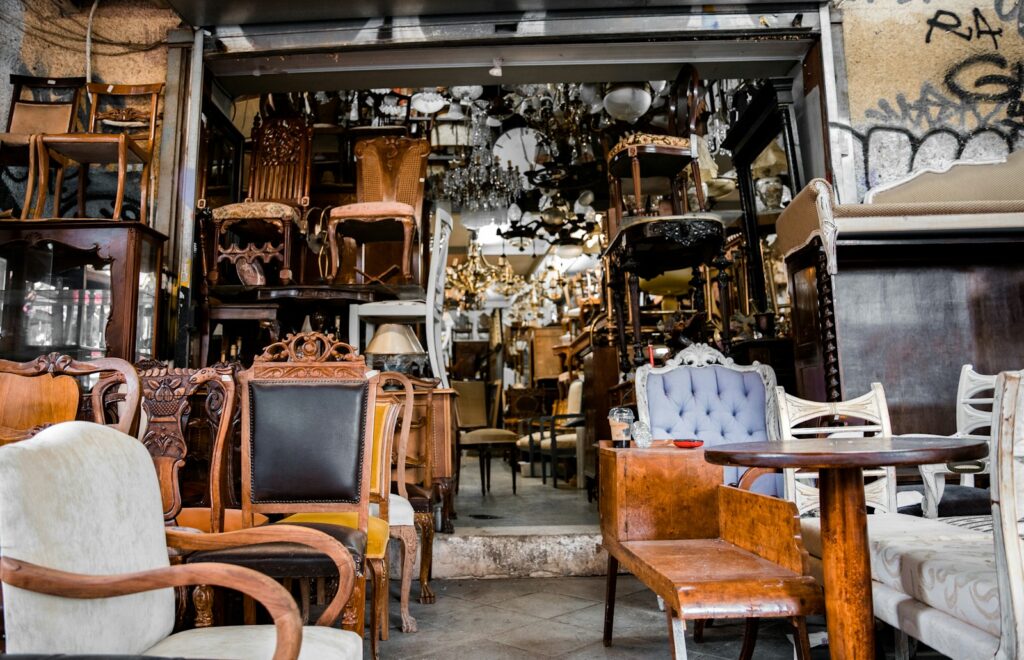
The marketplace for pre-owned furniture has expanded dramatically beyond traditional thrift stores, creating numerous avenues for sustainable furniture hunting. Local thrift shops and charity stores like Goodwill, Salvation Army, and Habitat for Humanity ReStores offer consistently changing inventories at the lowest price points, making them excellent places for regular browsing. Online marketplaces including Facebook Marketplace, Craigslist, OfferUp, and Nextdoor connect you directly with local sellers, eliminating shipping emissions while supporting your immediate community.
Specialized vintage and antique shops curate higher-end selections, often with pieces that have been professionally cleaned or restored, though at higher price points reflecting this added value. Estate sales and auctions provide opportunities to find complete furniture sets or rare pieces, particularly if you’re willing to visit more affluent neighborhoods where higher quality items are more common. For design enthusiasts, consignment stores offer curated selections of gently-used, higher-end furniture, often from interior designers or luxury homeowners.
Evaluating Furniture Quality and Condition
Assessing secondhand furniture requires a methodical approach to ensure you’re investing in pieces that will serve you well long-term. Begin by examining the furniture’s structure, checking for stability by gently rocking or lifting one corner to detect any wobbling or structural weakness. For wooden furniture, identify the material, as solid wood generally offers superior longevity compared to particleboard or MDF, which are more vulnerable to water damage and wear. Inspect all joints carefully, looking for traditional joinery methods like dovetail or mortise-and-tenon connections, which indicate quality craftsmanship and durability.
Test all moving parts such as drawers, doors, and reclining mechanisms to ensure smooth operation, and thoroughly check upholstered items for stains, tears, odors, or signs of pest infestation, particularly along seams and underneath cushions. Remember that surface imperfections like scratches or minor water rings on wooden pieces can usually be remedied, while structural damage often signals a piece to avoid.
Identifying Sustainable Materials

When selecting secondhand furniture through a sustainability lens, the materials used in its construction deserve particular attention. Solid wood furniture represents one of the most environmentally sound options, especially pieces made before the 1960s when old-growth hardwoods with superior density and durability were more commonly used. Metal furniture, particularly steel and aluminum items, offers excellent longevity and is infinitely recyclable, making it an environmentally responsible choice that can withstand decades of use. Natural upholstery materials like cotton, wool, linen, and leather generally age better and contain fewer synthetic chemicals than their modern polyester or nylon counterparts, though leather production does have environmental considerations.
Bamboo and rattan furniture provides sustainable alternatives to hardwood, as these materials grow rapidly and require minimal processing, though verify they’re properly treated against moisture to ensure longevity. Avoid furniture with excessive plastic components or heavily processed engineered woods when possible, as these typically have shorter lifespans and limited recycling potential.
Avoiding Hidden Health Hazards
While secondhand furniture offers environmental benefits, certain older pieces may harbor substances now recognized as health concerns. Furniture produced before 1978 may contain lead-based paint, particularly on painted wooden items like cribs, chairs, and tables, requiring careful inspection for chipping or peeling that could create ingestible dust. Upholstered furniture manufactured between 1975 and 2013 likely contains flame retardants linked to hormone disruption and other health concerns, making these pieces potentially problematic, especially in households with young children. Older particleboard furniture often contains formaldehyde-based adhesives that can off-gas for years, contributing to indoor air pollution and respiratory issues.
Vintage vinyl or plastic items might contain phthalates or other plasticizers now restricted in modern production due to health concerns. When considering these items, research the specific piece’s era and materials, and weigh the potential risks against environmental benefits, possibly considering professional cleaning, refinishing, or reupholstering to mitigate exposure to concerning substances.
Negotiating Prices Ethically
Approaching price negotiations for secondhand furniture requires balancing budget consciousness with ethical considerations about the item’s value and the seller’s circumstances. Before making an offer, research comparable items online to understand the general market value, considering factors like brand, age, condition, and materials rather than simply seeking the lowest possible price. When dealing with individual sellers, approach negotiations respectfully, recognizing that many people have emotional attachments to their furniture or may be selling due to financial necessity.
For charity shops and thrift stores, remember that your purchase supports their missions, making aggressive haggling potentially counterproductive to the broader social good these organizations provide. Consider the full value proposition, including the item’s quality, uniqueness, and the environmental benefit of keeping it from landfills, rather than focusing exclusively on price comparisons with mass-produced new items. Bundling multiple purchases can create win-win scenarios where you receive a volume discount while the seller clears more inventory, a particularly effective approach at estate sales or when someone is moving.
Transportation Considerations

The environmental benefits of secondhand furniture can be partially undermined by inefficient transportation methods, making logistics an important sustainability consideration. Whenever possible, source furniture locally to minimize transportation emissions, using neighborhood platforms like Nextdoor or Facebook Marketplace to find items within a short driving distance. If you don’t own a suitable vehicle, consider rental options like pickup trucks from home improvement stores, which typically cost $19-25 per hour and produce fewer emissions than having items delivered from distant locations.
For multiple purchases or larger homes, consider renting a truck once for several pickups scheduled on the same day rather than making separate trips. Carpooling with a friend who has an appropriate vehicle offers another eco-friendly alternative, combining social activity with practical assistance. For unavoidable deliveries, investigate services that combine multiple deliveries in one route rather than making dedicated trips, and avoid expedited shipping options which typically have larger carbon footprints due to less-than-full transport vehicles.
Sustainable Restoration and Refinishing
Breathing new life into worn secondhand furniture through restoration represents perhaps the most sustainable aspect of the entire process, allowing you to customize pieces while extending their useful life. When refinishing wooden furniture, opt for environmentally friendly products like water-based polyurethane, milk paint, or natural oils and waxes, which contain fewer volatile organic compounds than traditional petroleum-based finishes. For upholstered pieces, consider fabrics made from organic cotton, hemp, recycled polyester, or other sustainable textiles, and seek out local upholsterers who can refresh cushions using natural latex foam rather than petroleum-based alternatives.
Minor repairs can often be accomplished using reclaimed materials from other furniture pieces beyond salvation, creating a closed-loop system where nothing goes to waste. When stripping old finishes, use heat guns or citrus-based strippers rather than harsh chemical removers, working in well-ventilated areas and properly disposing of residues according to local hazardous waste guidelines. Remember that imperfections often add character, so consider whether a complete refinish is necessary or if a gentle cleaning and touch-up might preserve the piece’s history while still making it suitable for your home.
Integrating Different Styles Cohesively
Creating a harmonious home from diverse secondhand furniture pieces requires thoughtful curation rather than matching sets. Begin by identifying a consistent color palette to serve as your foundation, perhaps extracting colors from a favorite artwork or textile that can then guide your furniture selections and tie disparate pieces together. Consider functionality as a unifying principle, ensuring each piece serves a clear purpose within your space rather than acquiring items simply because they’re available secondhand. Paint can transform mismatched wooden pieces into a cohesive collection, particularly when you select a single color for all case goods or use complementary colors that reference your overall palette.
Hardware replacements offer another simple unification strategy, where installing matching drawer pulls, knobs, or handles across different pieces creates visual consistency. For upholstered items, throws and pillows in complementary fabrics can bridge stylistic differences, while thoughtful arrangement by grouping furniture according to function rather than era creates purposeful vignettes that celebrate eclectic combinations.
Maintaining Secondhand Furniture Responsibly
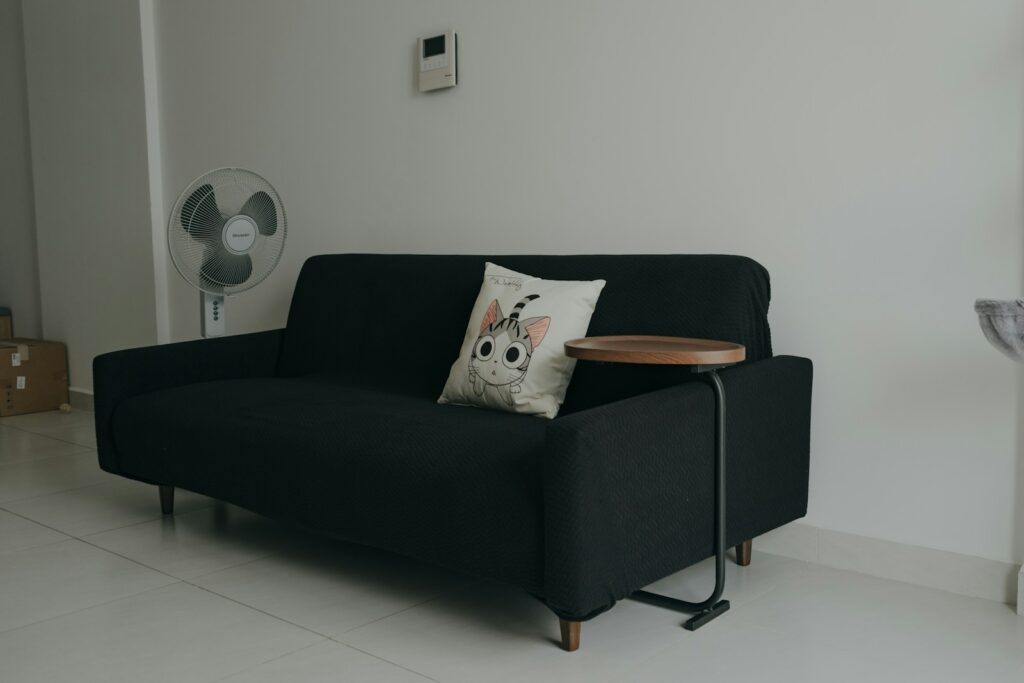
Proper maintenance of secondhand furniture extends its lifespan, maximizing the sustainability benefits of your purchase. For wooden furniture, develop a regular dusting routine using microfiber cloths that capture particles without scratching finishes, and apply appropriate conditioning treatments—like lemon oil for traditional finishes or specialized products for modern polyurethanes—every 3-6 months to prevent drying and cracking. Upholstered pieces benefit from weekly vacuuming with upholstery attachments to prevent dust and debris from becoming embedded in fibers, along with prompt attention to spills using appropriate cleaning methods for specific fabric types.
Position all furniture away from direct sunlight and heating vents to prevent fading, drying, and potential cracking, using window treatments to minimize UV exposure during peak daylight hours. Address minor issues promptly before they become major problems—tightening loose screws, reinforcing weakening joints with wood glue, and touching up small scratches with appropriate products—rather than waiting until extensive restoration becomes necessary. For seasonal protection, consider furniture covers for outdoor pieces and humidity control in storage areas to prevent mold, mildew, and warping.
When to Pass on a Piece
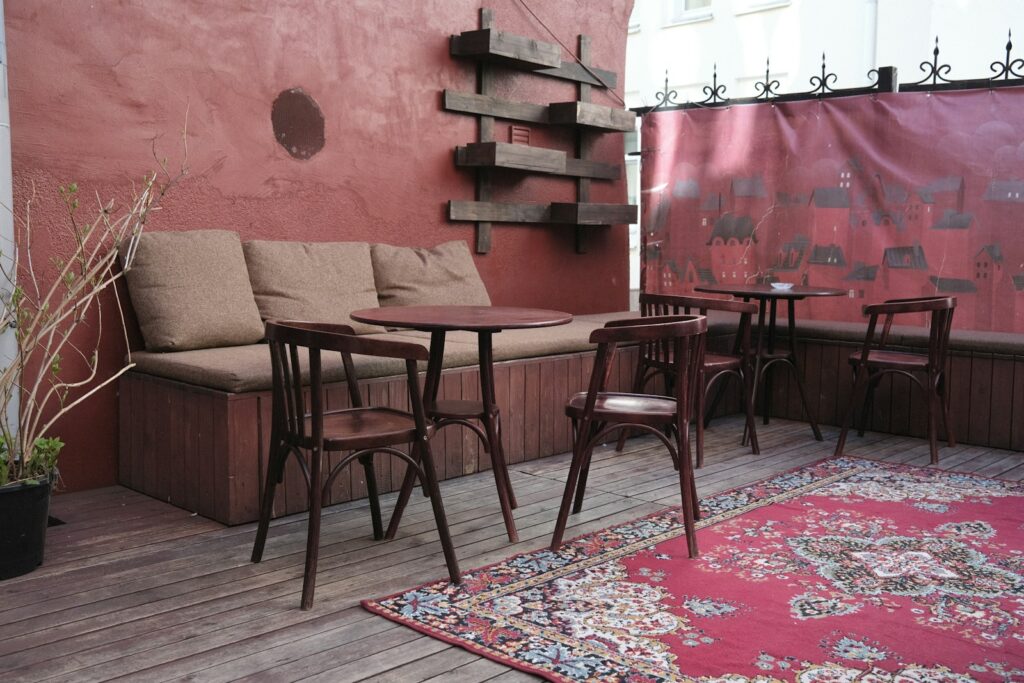
Despite the environmental benefits of secondhand furniture, certain conditions should prompt you to walk away from potential purchases. Active pest infestations, particularly bedbugs or termites, present risks that typically outweigh any sustainable advantages, potentially introducing problems to your home that require chemical treatments. Structural damage beyond reasonable repair, such as cracked frames, broken support systems, or severe water damage affecting integrity, indicates pieces unlikely to provide long-term utility regardless of restoration efforts. Furniture with pervasive odors from smoke, pets, or mildew often contains deeply embedded particles difficult to eliminate completely, making these pieces problematic for those with sensitivities or allergies.
Items showing signs of unsafe construction, particularly cribs, children’s furniture, or mechanical pieces that don’t meet current safety standards, should be avoided regardless of visual appeal or price. Extremely heavy particle board furniture with cosmetic damage typically isn’t worth transporting or repairing, as the material itself lacks durability and often cannot be effectively restored once the protective veneer or laminate is compromised.
Creating a Circular Furniture Economy
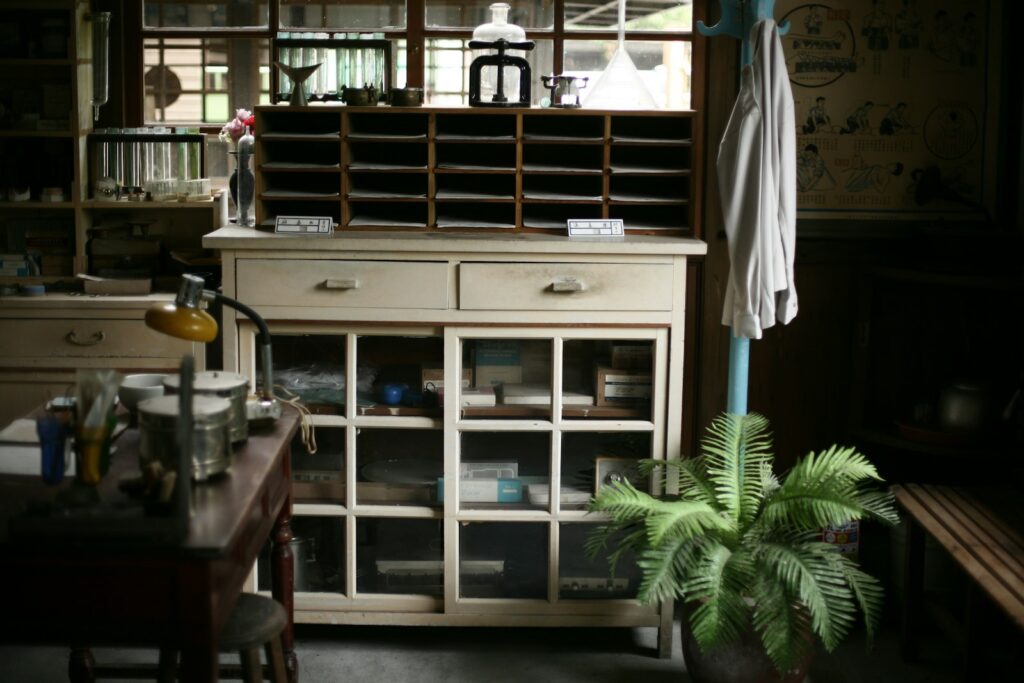
Participating in the secondhand furniture market represents just one aspect of a broader circular furniture economy that minimizes waste and maximizes resource efficiency. When your needs or preferences change, commit to responsibly rehoming furniture rather than discarding it, using the same platforms where you found your pieces to connect with new owners interested in your items. Consider furniture lending or rental within your community for temporarily needed items like guest beds or special occasion seating, reducing the need for purchases that serve only occasional purposes. Explore furniture repair cafés or community workshops where volunteers help extend the life of items through shared knowledge and resources, building skills that support sustainable consumption.
Support businesses practicing furniture remanufacturing, where commercial companies professionally disassemble unwanted furniture to create new pieces from reclaimed materials, offering another avenue for materials that might otherwise be wasted. By viewing furniture as part of a continuous cycle rather than disposable commodities, your individual choices contribute to systemic change in consumption patterns that can significantly reduce environmental impact across the furniture industry.
Conclusion: A Stylish Path to Eco-Friendly Living
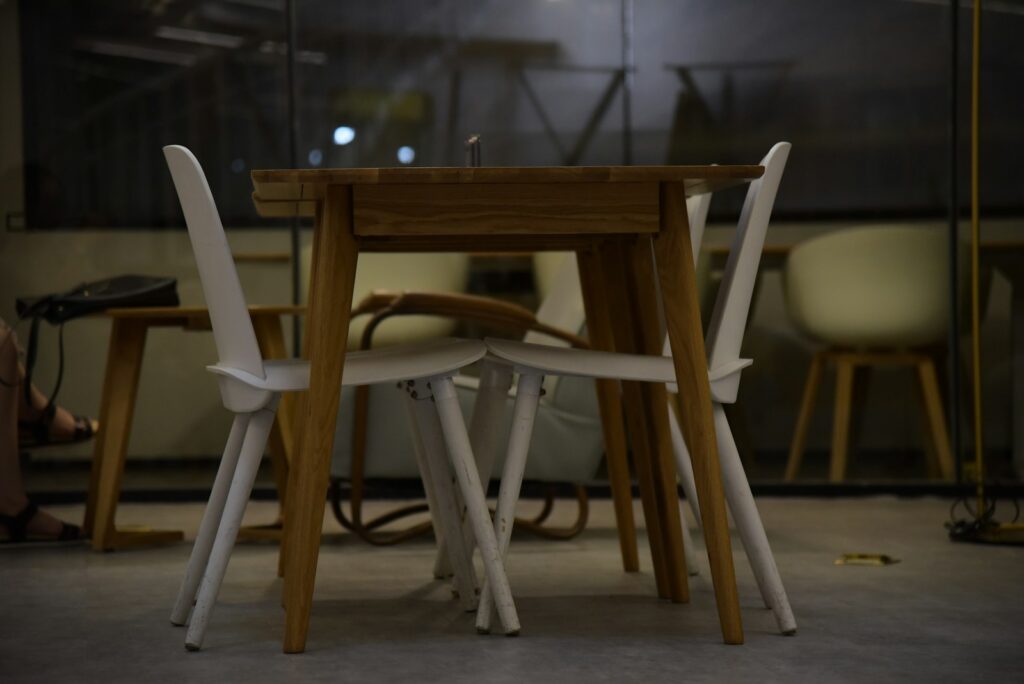
Embracing secondhand furniture represents a powerful personal action in addressing wider environmental challenges. By thoughtfully selecting pre-loved pieces, you’re not just decorating a home—you’re making a meaningful statement about values and priorities. The sustainable furniture journey often reveals unexpected benefits: unique finds with history, superior craftsmanship that has already stood the test of time, and the satisfaction of creating spaces that express individuality while treading lightly on the planet.
As you embark on or continue your secondhand furniture adventures, remember that each piece saved from landfill and given new life contributes to a healthier planet while surrounding you with character and stories impossible to find in showroom furniture. The most sustainable home is ultimately one filled with items chosen with care, maintained with attention, and appreciated for both their function and the environmental choice they represent.