

Food waste is a staggering global issue with far-reaching consequences for our environment, economy, and food security. Roughly one-third of all food produced worldwide ends up discarded, representing not just wasted nutrients but also squandered resources—water, land, energy, labor, and capital—that went into its production. In the United States alone, households throw away approximately 30-40% of their food supply, amounting to about 219 pounds per person annually.
Beyond the ethical implications of wasting food while millions go hungry, food waste decomposing in landfills generates methane, a potent greenhouse gas. The good news is that small, consistent changes in our daily habits can significantly reduce this waste. These ten practical tips will help you minimize food waste in your home, save money, and contribute to a more sustainable food system.
Plan Your Meals Before Shopping
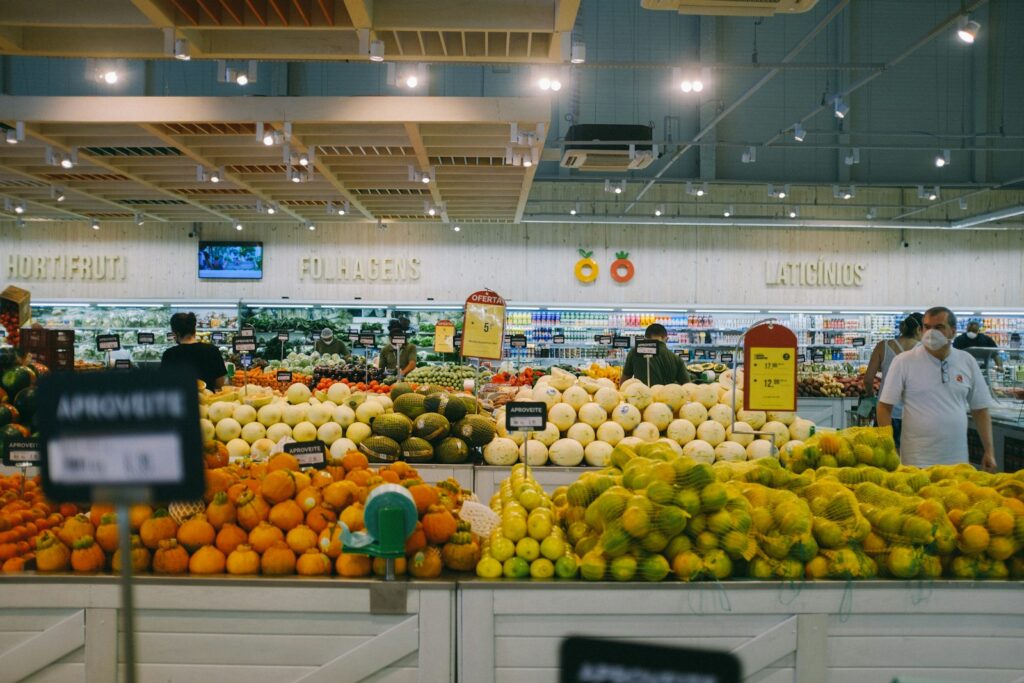
Effective meal planning stands as the foundation of reducing food waste in your household. Before heading to the grocery store, take inventory of what you already have in your refrigerator, freezer, and pantry to avoid buying duplicates. Create a weekly meal plan that incorporates ingredients that need to be used first, particularly perishables nearing their prime.
When crafting your shopping list, be realistic about how many meals you’ll actually cook at home, considering your social plans, work schedule, and potential for leftovers. This thoughtful approach ensures you buy only what you need and will use, immediately cutting down on excess food that might otherwise end up in the trash.
Store Food Properly to Extend Freshness
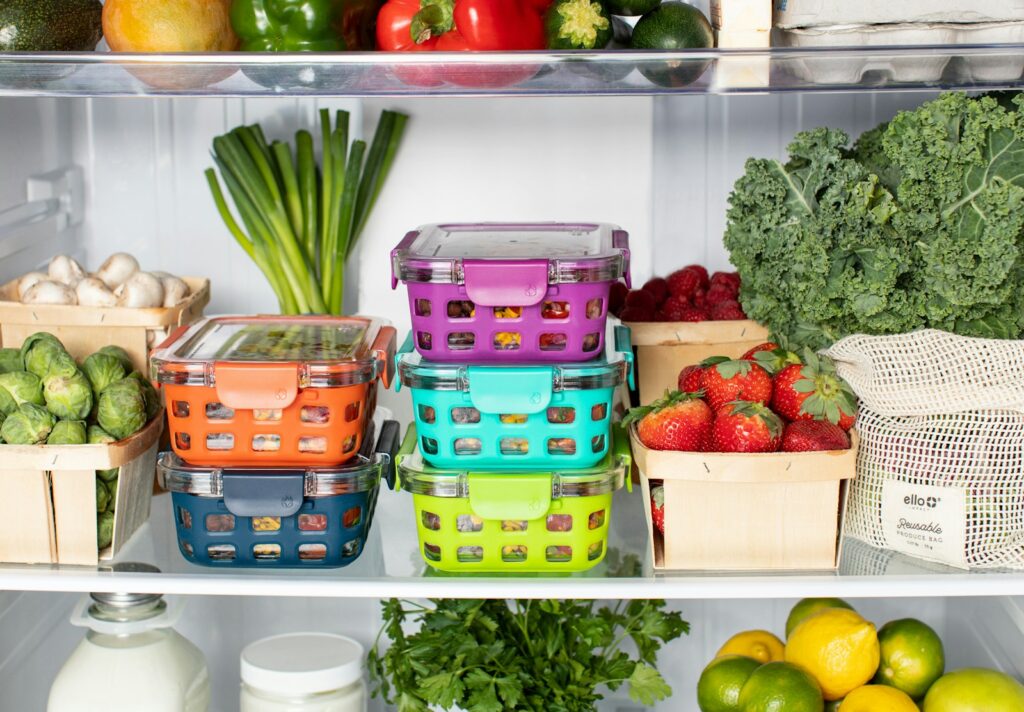
Proper food storage can dramatically extend the lifespan of your groceries, giving you more time to use ingredients before they spoil. Learn the optimal storage conditions for different foods—for instance, tomatoes retain flavor at room temperature, while berries last longer when washed just before eating rather than in advance. Use airtight containers for leftovers and opened packages to prevent oxidation and moisture loss.
Consider investing in specialized storage solutions like ethylene absorbers for the refrigerator or vacuum sealers for freezing portions. Something as simple as storing herbs with stems in water like flowers or keeping certain fruits and vegetables separate (as some emit gases that speed ripening in others) can add days or even weeks to their usable life.
Practice FIFO (First In, First Out)
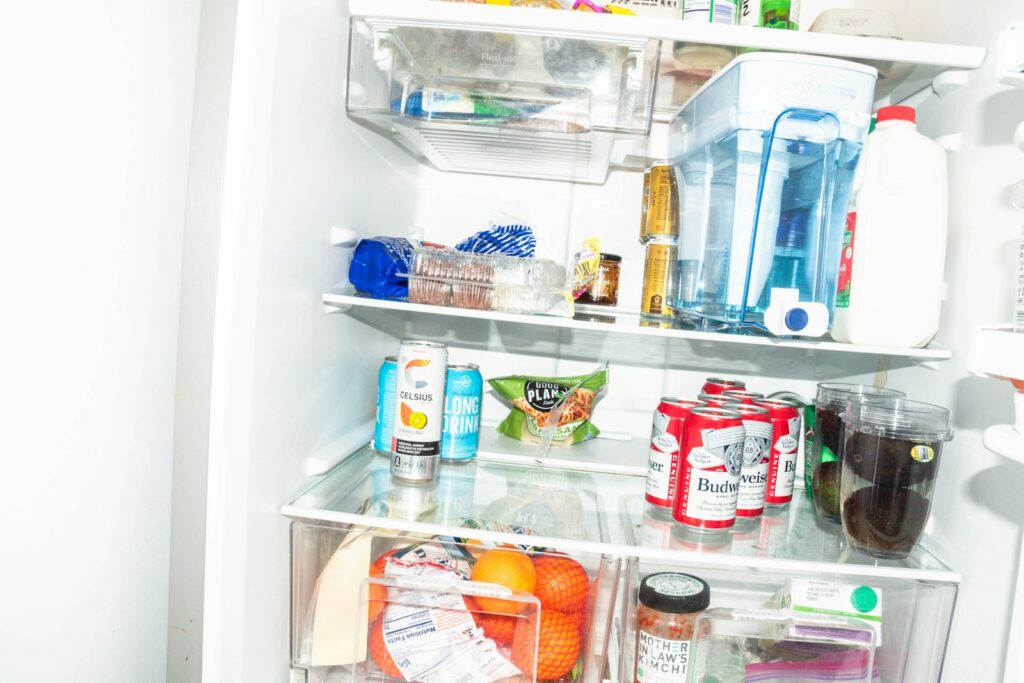
The FIFO method—First In, First Out—is a simple inventory management technique used by restaurants that works equally well in home kitchens. When unpacking groceries, place newer items behind older ones in your refrigerator and pantry, ensuring older food gets used first. This practice helps prevent the common scenario where fresh purchases push existing food to the back of shelves where it’s forgotten until spoiled.
Consider implementing a designated “eat soon” area in your refrigerator where you place items needing prompt attention. Taking a few minutes to reorganize your refrigerator each time you add new groceries creates visibility for foods that might otherwise be overlooked and ultimately wasted.
Understand Food Date Labels
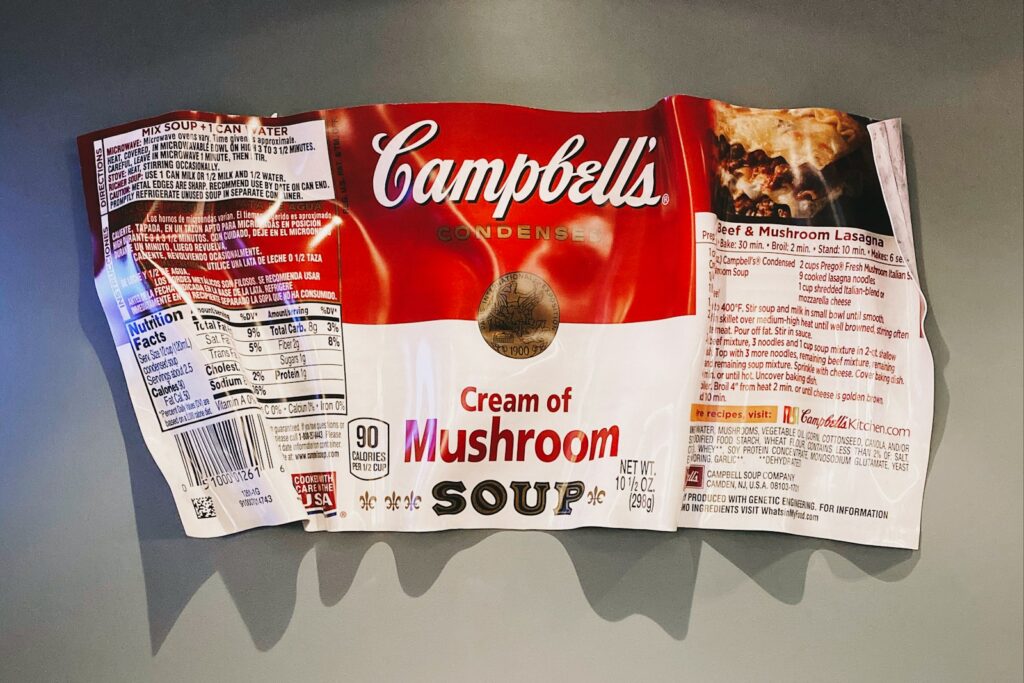
Food date labels are often misinterpreted, leading consumers to discard perfectly good food prematurely. It’s essential to understand that “sell by” dates are inventory management tools for retailers and not safety indicators for consumers. “Best by” or “best before” dates refer to quality rather than safety—food past these dates may lose some flavor or texture but remains safe to eat in most cases.
“Use by” dates are more concerned with peak quality, except for certain high-risk foods like deli meats where they may relate to safety. Instead of relying solely on dates, use your senses to evaluate food—visual inspection, smell, and taste are generally reliable indicators of whether food is still good to consume, potentially saving pounds of food from unnecessary disposal.
Embrace Imperfect Produce
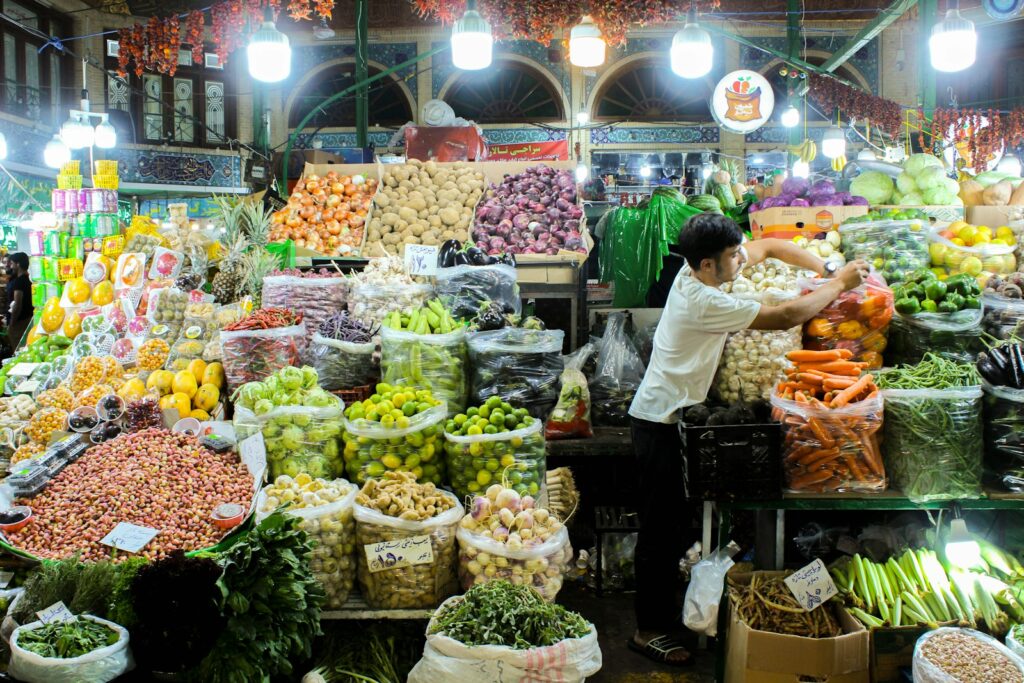
A significant amount of food waste occurs before produce even reaches consumers, with “imperfect” fruits and vegetables rejected for cosmetic reasons despite being nutritionally identical to their more attractive counterparts. Support grocery stores and farmers markets that sell “ugly” produce, or consider subscribing to food delivery services specifically offering these items at discounted prices. At home, don’t discard fruits and vegetables with minor blemishes—simply cut away the affected areas and use the rest.
Remember that slightly soft tomatoes make excellent sauce, overripe bananas create perfect baking ingredients, and wilting vegetables still shine in soups and stews. By shifting our perception of what food should look like, we can prevent countless pounds of nutritious produce from being wasted for purely aesthetic reasons.
Master the Art of Freezing
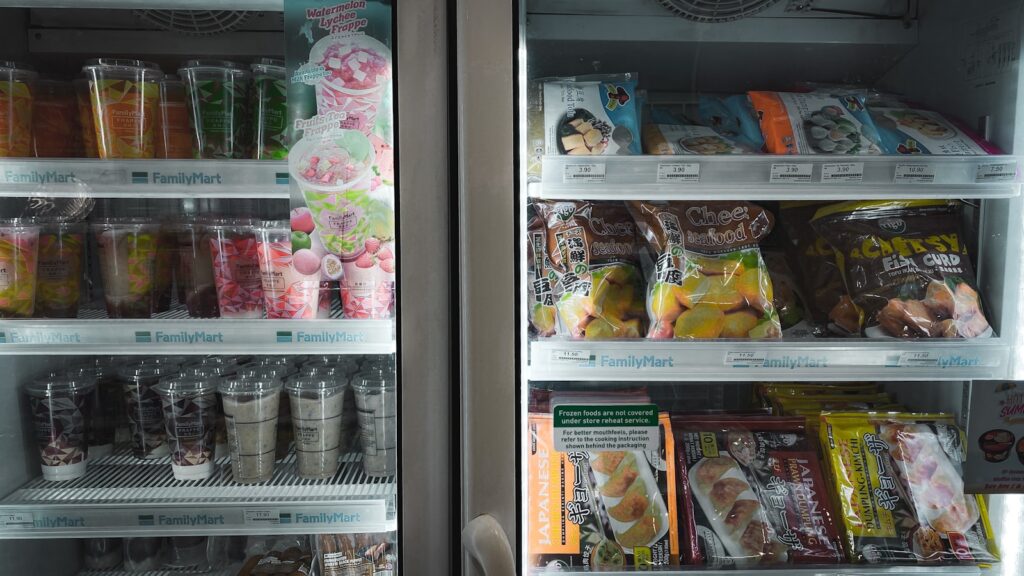
Your freezer is perhaps the most powerful tool in preventing food waste, acting as a pause button for food that might otherwise spoil before you can use it. Almost anything can be frozen, from bread and sliced fruit to herbs, cheese, and complete meals. Portion foods appropriately before freezing—for example, freeze stock in ice cube trays for small amounts needed in recipes, or individually freeze berries on a tray before transferring to containers to prevent clumping.
Label everything with contents and date to maintain an organized freezer inventory you can actually navigate. For best quality, use frozen items within a reasonable timeframe, but remember that frozen foods remain safe indefinitely—only their texture and flavor may gradually decline over long storage periods.
Get Creative with Leftovers

Transforming leftovers into new, exciting meals is both an economical practice and a creative culinary challenge that significantly reduces food waste. Instead of serving the same meal repeatedly until family members revolt, reimagine ingredients in different contexts—yesterday’s roast chicken becomes today’s enchiladas, while extra rice transforms into fried rice with whatever vegetables need using. Dedicate one dinner each week as a “clean out the fridge” meal, where you creatively combine odds and ends into soups, frittatas, stir-fries, or grain bowls.
Remember that many cultures have traditional recipes specifically designed to use leftovers, such as French bread pudding, Italian ribollita soup, or Chinese fried rice, offering time-tested delicious solutions to potential waste.
Learn Preservation Techniques

Traditional food preservation methods have regained popularity not just for their waste-reducing benefits but also for the unique flavors they create. Simple techniques like quick pickling can transform excess vegetables into tangy refrigerator pickles that last for weeks. Dehydrating fruits, vegetables, and herbs concentrates flavors while creating shelf-stable ingredients for future use. Canning, while requiring more equipment and knowledge of safety protocols, allows you to preserve seasonal abundance for year-round enjoyment.
Even learning to make simple preserves like jam can save pounds of overripe fruit from the compost bin. These preservation methods not only prevent waste but also connect us to culinary traditions that developed specifically to make the most of seasonal bounty before the era of refrigeration.
Compost Unavoidable Food Scraps
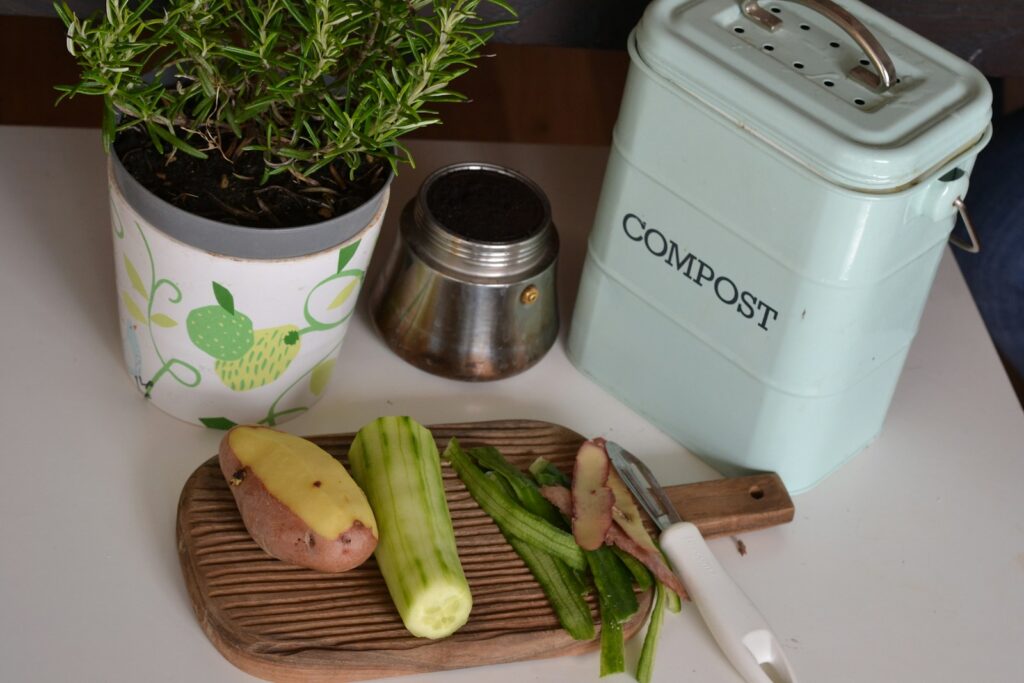
Despite best efforts to use all edible portions of food, some scraps are inevitable—egg shells, coffee grounds, produce peels, and trimmings will still accumulate. Creating a composting system, whether a backyard bin, worm composting setup, or collecting for municipal composting programs, ensures these organic materials return to the soil rather than generating methane in landfills. Composting completes the natural cycle, transforming what would be waste into valuable soil amendment that nourishes future food production.
Even apartment dwellers with limited space can participate through countertop collection systems or community composting programs increasingly available in urban areas. By composting, you’re not only reducing methane emissions but also creating rich humus that improves soil structure, water retention, and fertility—a true win-win solution.
Adjust Portion Sizes

Oversized portions contribute significantly to food waste, particularly when dining out but also in home cooking. When preparing meals at home, be realistic about how much your household will actually consume, and consider cooking just enough rather than always planning for leftovers. Serve food on appropriately sized plates—studies show larger plates encourage larger portions that often go partially uneaten.
Implement a family policy of starting with smaller servings and going back for seconds if still hungry, rather than piling plates high initially. When dining out, consider sharing entrees, ordering appetizers instead of main courses, or immediately requesting a container for half your meal before you begin eating, especially at restaurants known for oversized portions.
Track Your Food Waste
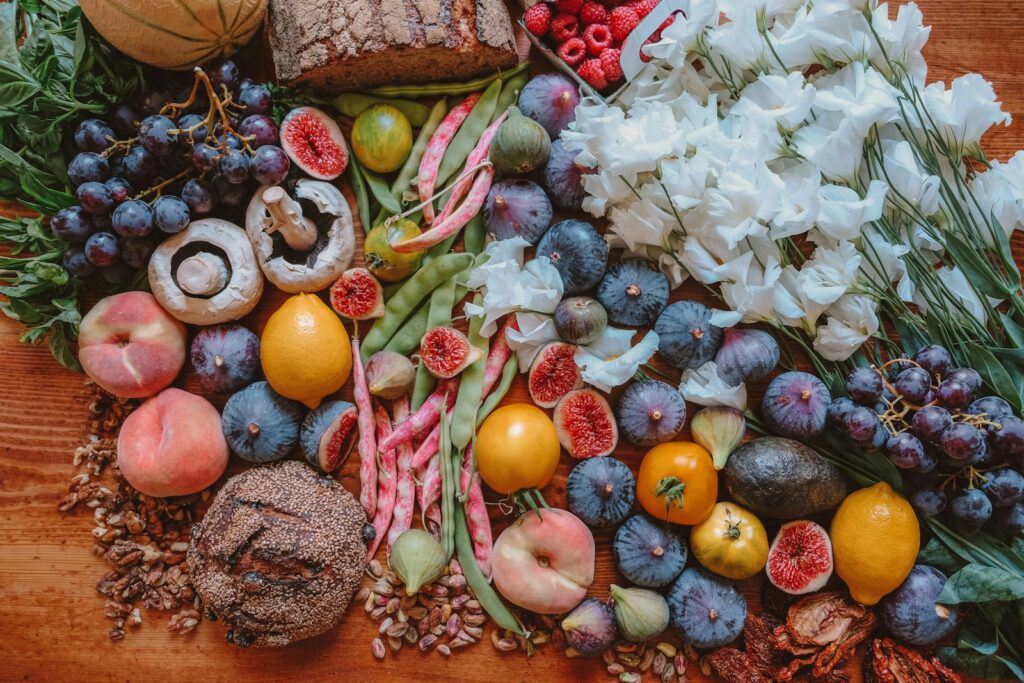
The adage “what gets measured gets managed” applies perfectly to food waste reduction efforts. Keeping a simple log of what food items you discard and why provides valuable insights into your household’s specific waste patterns. You might discover that certain vegetables repeatedly go unused, suggesting you should buy smaller quantities or find more appealing ways to prepare them. Perhaps bread consistently molds before you finish it, indicating you should freeze half the loaf upon purchase.
This awareness-building exercise often reveals surprising patterns and specific opportunities for improvement. Many families report that simply the act of monitoring waste creates accountability that naturally leads to more mindful purchasing, storing, and using of food, resulting in significant waste reduction even without other specific interventions.
Small Changes, Big Impact
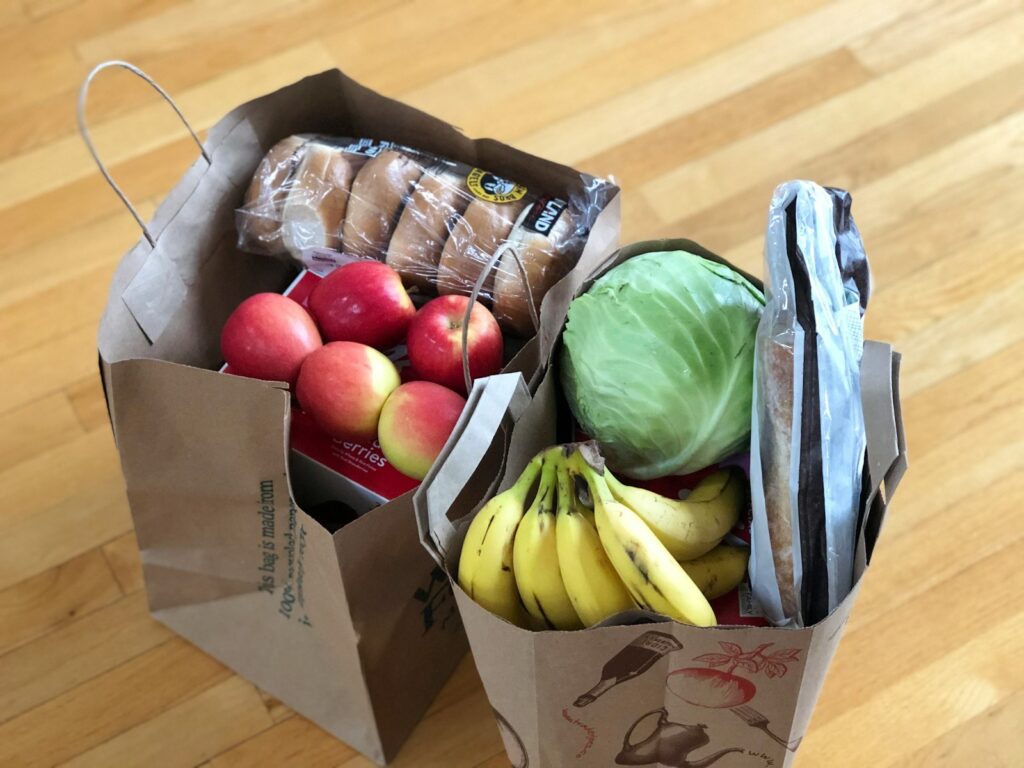
Reducing food waste doesn’t require perfect execution of every strategy—even implementing just a few of these tips can significantly decrease your household’s contribution to this global problem. Start with the approaches that seem most manageable for your lifestyle, perhaps meal planning or better food storage, and gradually incorporate others as they become habit. Remember that cutting food waste benefits not just the environment but also your budget, potentially saving thousands of dollars annually for the average family.
As consumers, our collective choices have the power to transform food systems from farm to table. By valuing food more highly and wasting less, we participate in a necessary shift toward more sustainable and equitable food systems that can nourish both people and planet for generations to come.