

Growing your own salad greens indoors is a rewarding way to enjoy fresh, nutritious produce year-round, regardless of outdoor growing conditions or available garden space. Indoor gardening puts crisp lettuce, peppery arugula, and vibrant microgreens right at your fingertips, cutting grocery costs while providing the satisfaction of nurturing plants from seed to harvest.
Whether you’re living in an apartment, dealing with harsh winters, or simply want convenient access to chemical-free greens, this guide will walk you through everything you need to know to create a thriving indoor salad garden. With minimal investment and just a few minutes of care each day, you’ll soon be harvesting restaurant-quality greens from your own windowsill or kitchen counter.
Understanding the Benefits of Indoor Salad Gardening
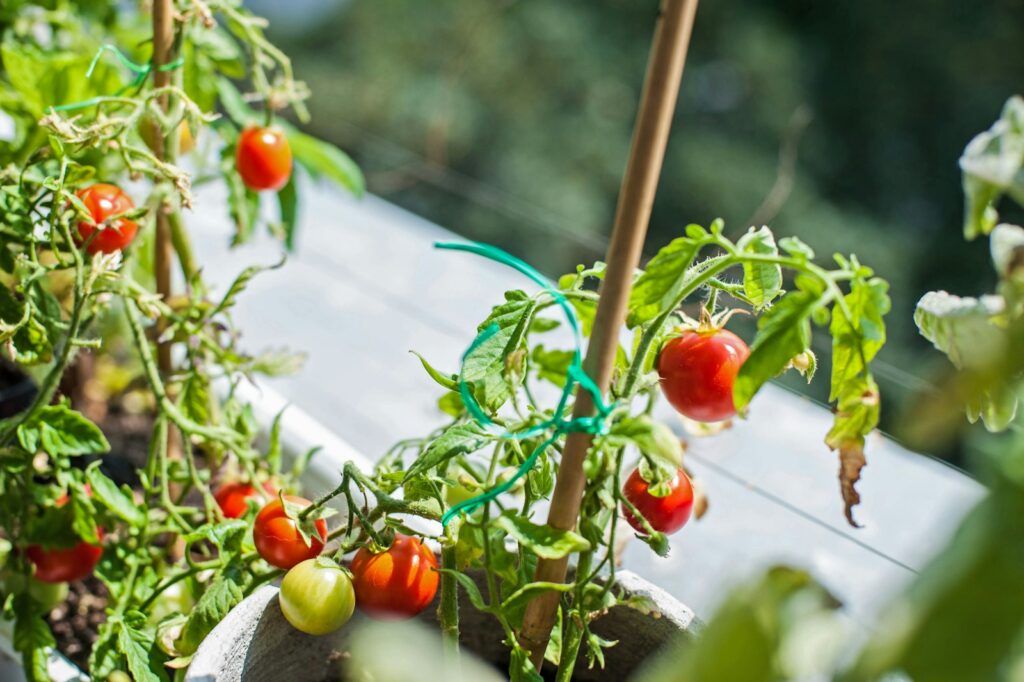
Growing salad greens indoors offers numerous advantages that make it an attractive option for both novice and experienced gardeners. First, you’ll have access to fresh, organic produce regardless of the season, eliminating dependence on grocery store options that may have traveled thousands of miles and lost nutrients along the way. Indoor growing also provides complete control over growing conditions, allowing you to avoid pesticides and other chemicals commonly used in commercial farming.
Additionally, many salad greens can be harvested multiple times through a “cut and come again” method, making them extraordinarily cost-effective compared to store-bought alternatives. Perhaps most importantly, indoor gardening connects you directly to your food source, creating a deeper appreciation for the growing process and encouraging healthier eating habits.
Selecting the Right Greens for Indoor Growing
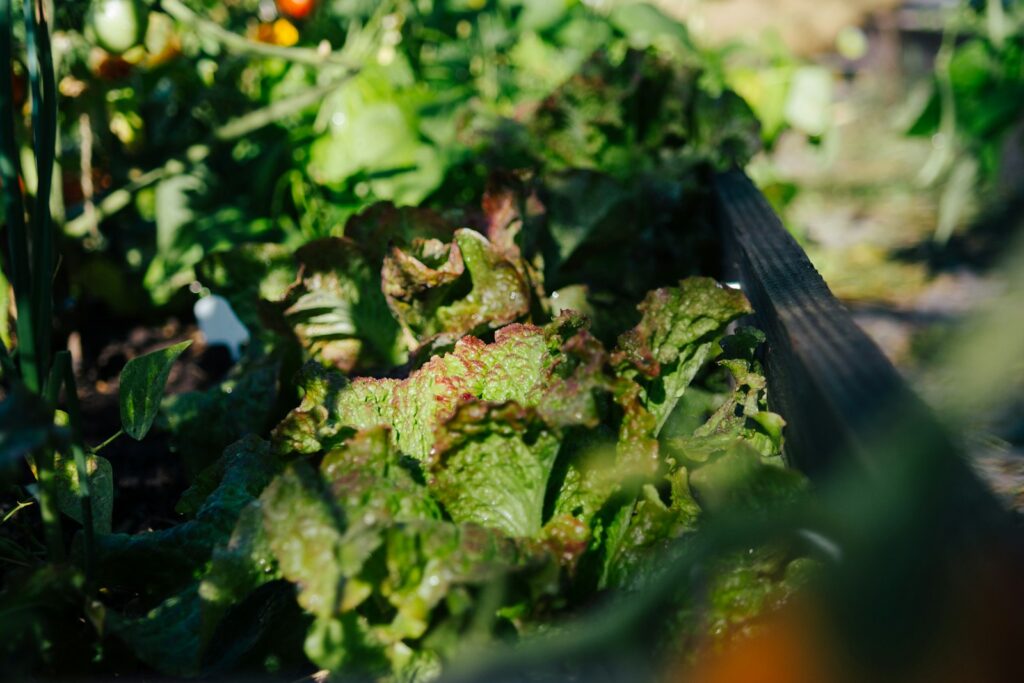
Not all salad greens perform equally well indoors, so choosing varieties suited to indoor conditions is crucial for success. Leafy lettuces like butterhead, romaine, and loose-leaf varieties thrive indoors and offer quick harvests, usually ready within 30-45 days from planting. Spinach adapts well to indoor conditions and provides excellent nutritional value, while arugula offers a peppery flavor and grows rapidly, often ready for harvest in just 21 days. Mesclun mixes, which typically contain a blend of lettuces and other greens, provide variety and are specifically designed for cut-and-come-again harvesting.
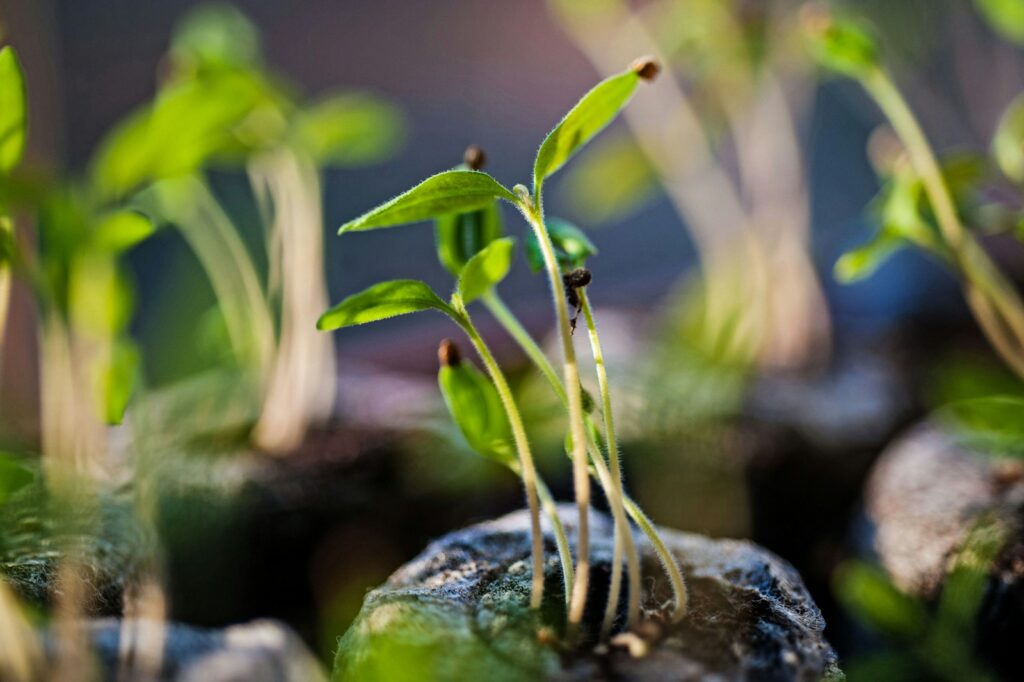
Microgreens—the young seedlings of vegetables and herbs—deserve special consideration, as they grow incredibly quickly (7-14 days), require minimal space, and contain concentrated nutrients compared to their mature counterparts. When selecting seeds, look for varieties specifically bred for container growing or those labeled as suitable for indoor cultivation.
Essential Supplies for Your Indoor Garden
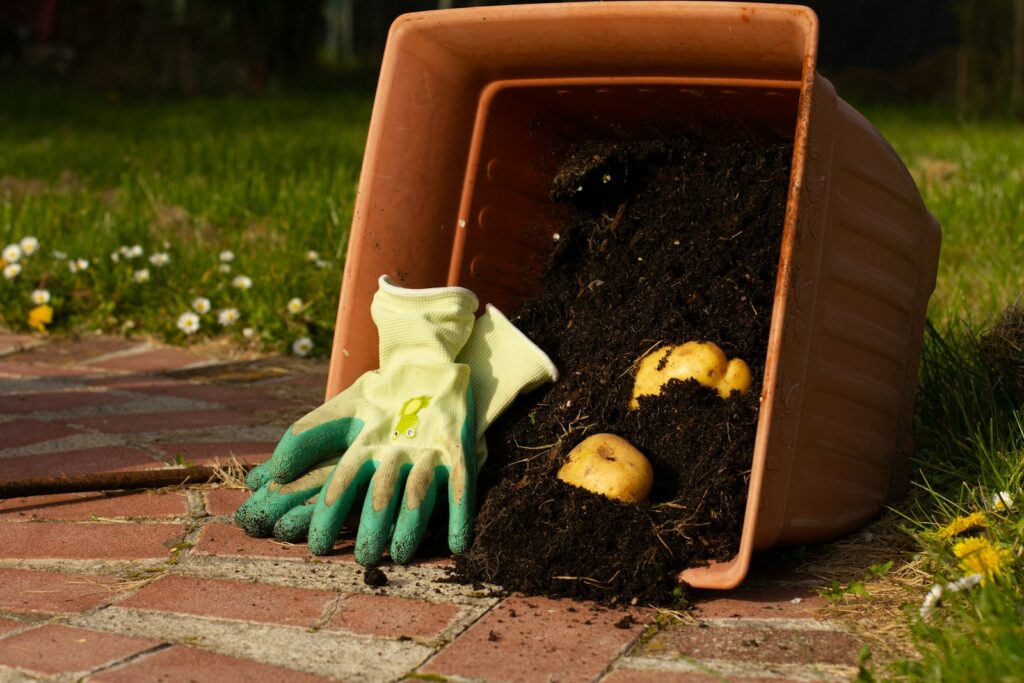
Starting an indoor salad garden requires just a few simple materials. Use shallow containers at least 2–3 inches deep, ensuring they have drainage holes—repurposed plastic containers or decorative pots work well. Choose a lightweight, high-quality potting mix designed for seed starting, as garden soil is too dense and may contain pathogens.
While a sunny window may suffice, most setups benefit from LED grow lights that provide full-spectrum light without excess heat. Helpful extras include a spray bottle for gentle watering, plant markers to label varieties, and a small fan to improve airflow and strengthen seedlings. A basic timer for lights can also help maintain a consistent light cycle, promoting healthier growth with minimal effort.
Creating the Ideal Growing Environment
Salad greens thrive when their environmental needs are carefully met, leading to fast growth and better flavor. They prefer cooler temperatures between 60–70°F (15–21°C), as heat can cause bitterness or early bolting. Aim for humidity levels around 40–50%; if the air is too dry, group plants together or use a humidifier. Good air circulation is essential—running a small fan on low for a few hours a day helps prevent disease and strengthens seedlings.
Greens need 12–14 hours of light daily from either sunlight or grow lights placed 2–4 inches above the plants. Adjust grow light height as your plants grow to avoid leaf burn while maintaining strong light exposure. Monitoring and adjusting these key factors will keep your indoor salad garden healthy and productive.
Planting Methods for Indoor Salad Greens
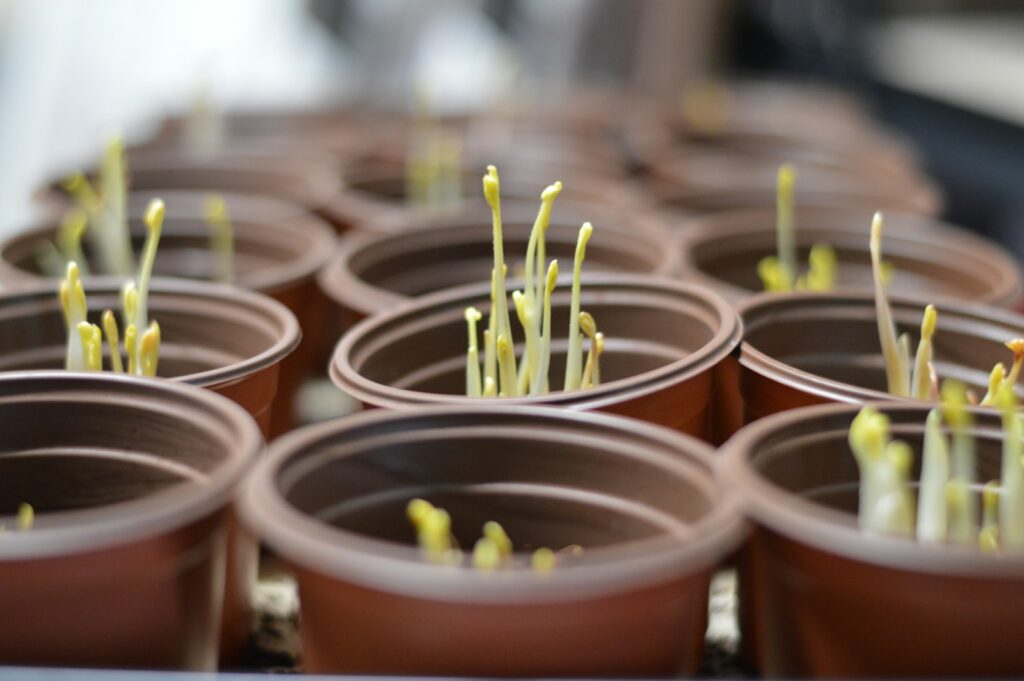
There are several effective methods for planting an indoor salad garden, each offering unique benefits. Traditional container planting uses moistened potting mix and shallowly sown seeds, spaced about an inch apart, then lightly covered with soil. Hydroponic growing skips soil altogether, using a nutrient solution to produce quick, clean harvests, though it requires more equipment.
Microgreens thrive with dense sowing—seeds are scattered thickly, barely covered with soil, and gently pressed for solid contact. Succession planting is a popular strategy, where new seeds are sown every 1–2 weeks for a continuous harvest. To support germination, cover containers with plastic wrap or a humidity dome to retain moisture. Remove the cover once seedlings sprout to prevent mold and promote healthy growth.
Watering Techniques for Optimal Growth
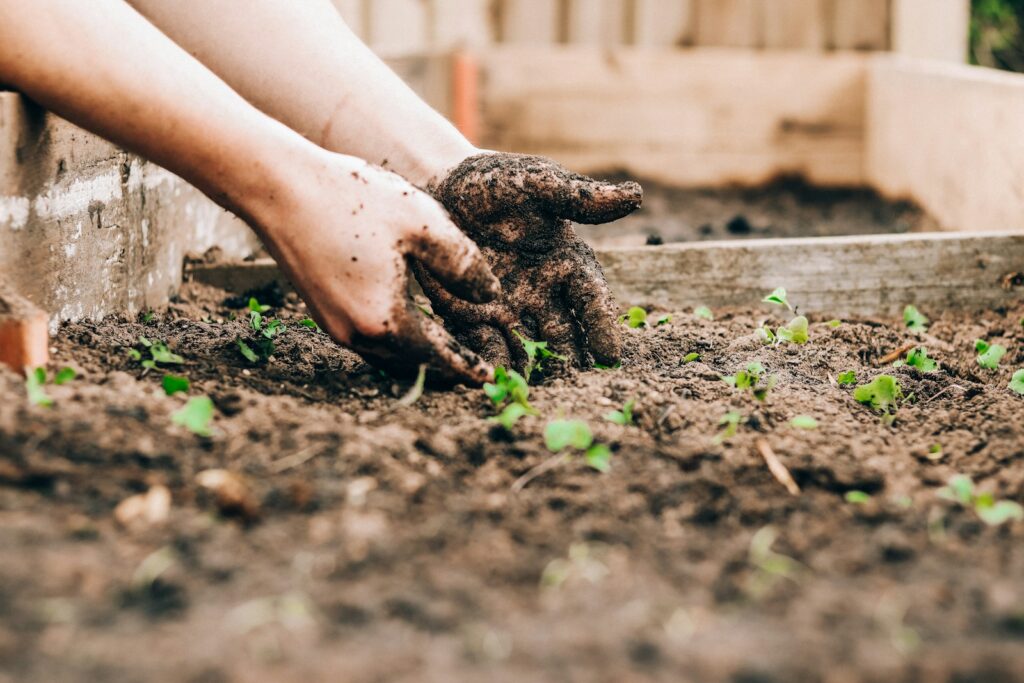
Proper watering is essential for growing healthy indoor salad greens, requiring consistent moisture without overwatering. Bottom watering works best for established plants—place containers in a shallow tray of water so the soil absorbs moisture from below, encouraging strong root development. For newly sown seeds or delicate seedlings, use a spray bottle to mist gently without disturbing the soil.
Check soil moisture daily by inserting a finger about an inch deep; if it feels dry, it’s time to water. Avoid overwatering, as soggy soil can lead to root rot and disease. Let tap water sit for 24 hours before use to allow chlorine to dissipate, or use rainwater when possible for optimal plant health.
Fertilizing Indoor Salad Greens
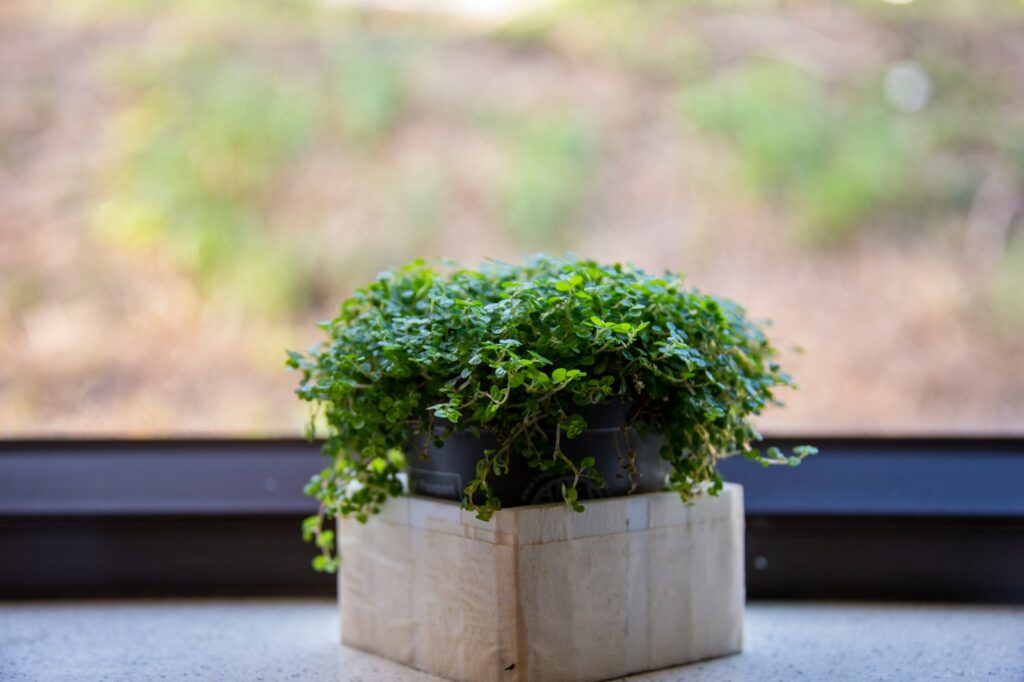
Indoor salad greens need proper but modest nutrition to grow lush, flavorful leaves. For soil-grown setups, start with nutrient-rich potting mix, then apply a diluted organic liquid fertilizer—like fish emulsion or seaweed extract—every two weeks after true leaves appear. Use half the recommended strength to avoid overfeeding.
Hydroponic systems require leafy-green-specific nutrient solutions, carefully measured according to package directions. Avoid over-fertilizing, as it can cause leaf burn, bitterness, or high nitrate levels. For an organic alternative, compost tea offers gentle nourishment and beneficial microbes—simply soak compost in water overnight, strain, and use the liquid to water your greens.
Managing Common Pests and Diseases
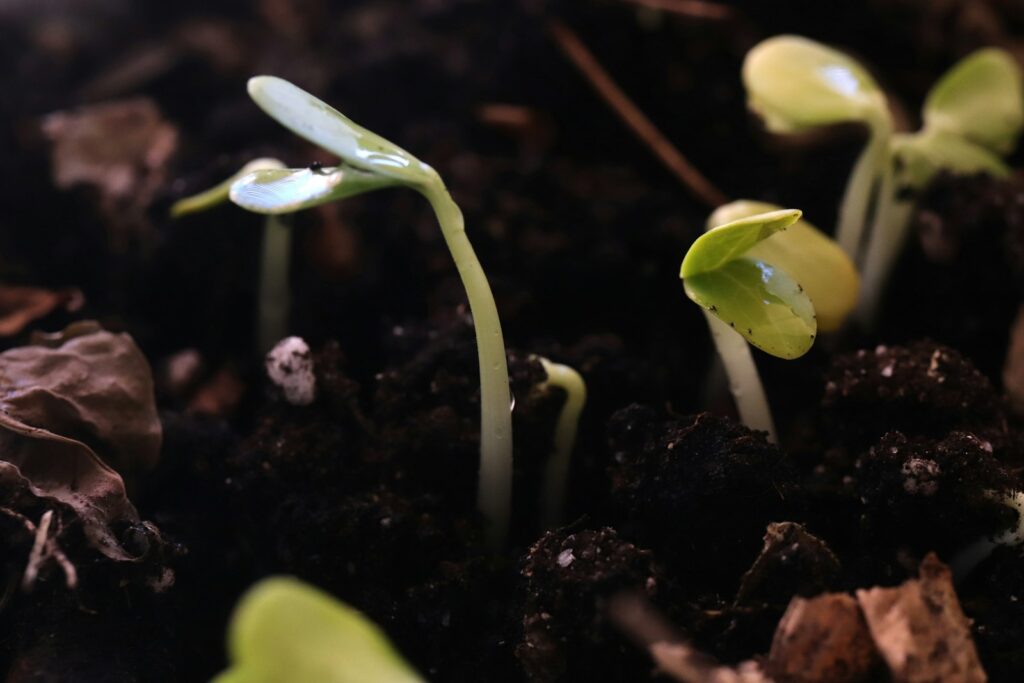
While indoor gardens face fewer pests than outdoor ones, regular monitoring is still essential to keep salad greens healthy. Common invaders like aphids, spider mites, and fungus gnats can sneak in through open windows or new plants. Prevent issues by checking plants often, using a fan for airflow, and avoiding overwatering.
If pests show up, organic insecticidal soap is usually effective—spray gently to avoid harming tender leaves. Fungal problems like powdery mildew often stem from high humidity and poor circulation, so space plants well and keep air moving. Always quarantine new plants and promptly remove any sick ones to protect your indoor garden.
Harvesting and Extending Production
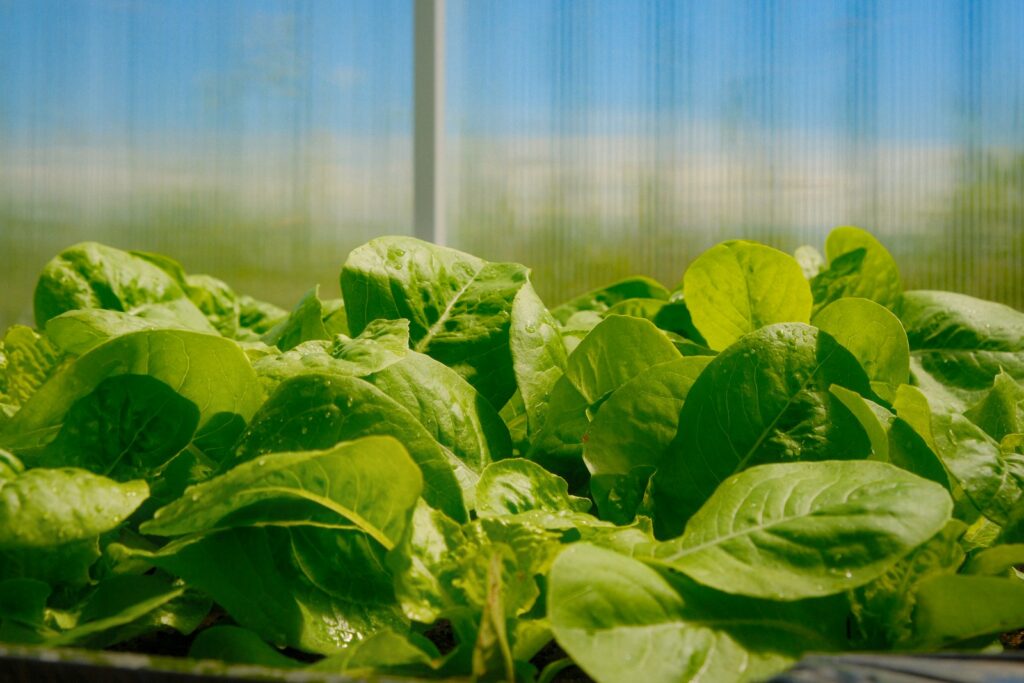
Proper harvesting not only provides fresh, tasty greens but also keeps your plants producing longer. Use the “cut and come again” method: snip outer leaves about an inch above the soil, letting the center regrow. For best flavor, harvest in the morning when leaves are at their sweetest. Microgreens should be picked after their first true leaves appear, while baby greens are ideal at 2–3 inches tall.
Harvest gently with clean scissors to avoid damaging delicate plants. To ensure a steady supply, start new containers every 1–2 weeks using succession planting. This way, you’ll enjoy fresh salads continuously without gaps in production.
Troubleshooting Common Growing Problems
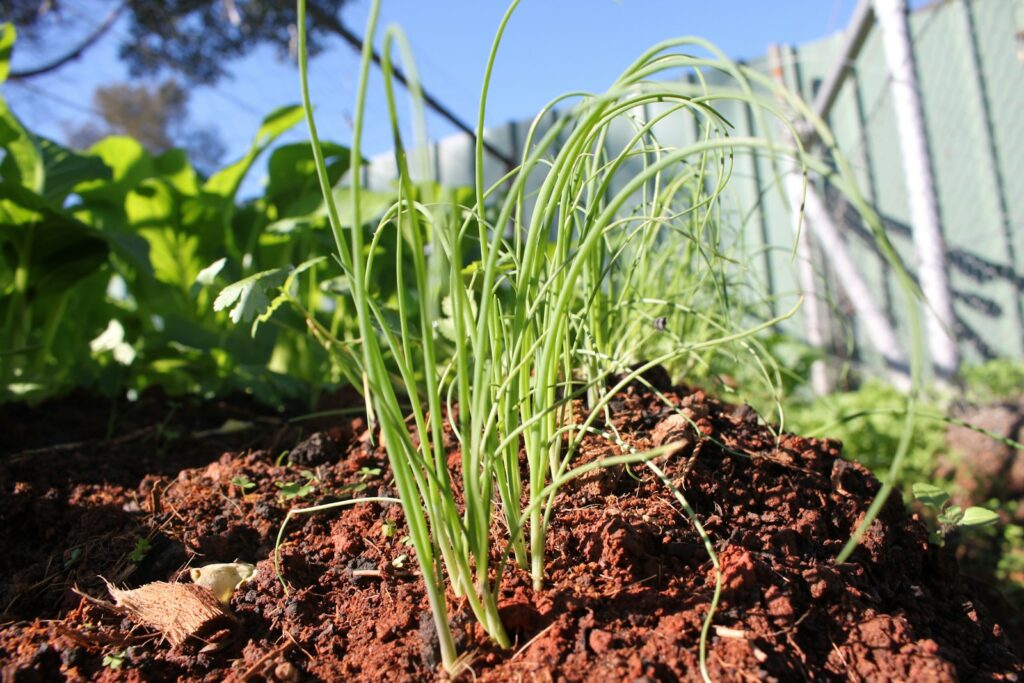
Even seasoned indoor gardeners face occasional setbacks, but most issues are easy to fix. Leggy seedlings usually need more light—move them closer or extend their light exposure. Yellowing leaves may signal a nitrogen deficiency; apply a diluted leafy greens fertilizer to help. If growth seems slow, check the temperature—greens thrive around 65–70°F (18–21°C). Bitter leaves often mean heat stress or bolting, so harvest early and try heat-resistant varieties in warm weather.
Moldy soil? It’s often from too much moisture—improve airflow, cut back on watering, and remove the topsoil layer if needed. Regular checks help catch problems early and keep your greens thriving.
Creative Growing Systems for Limited Space
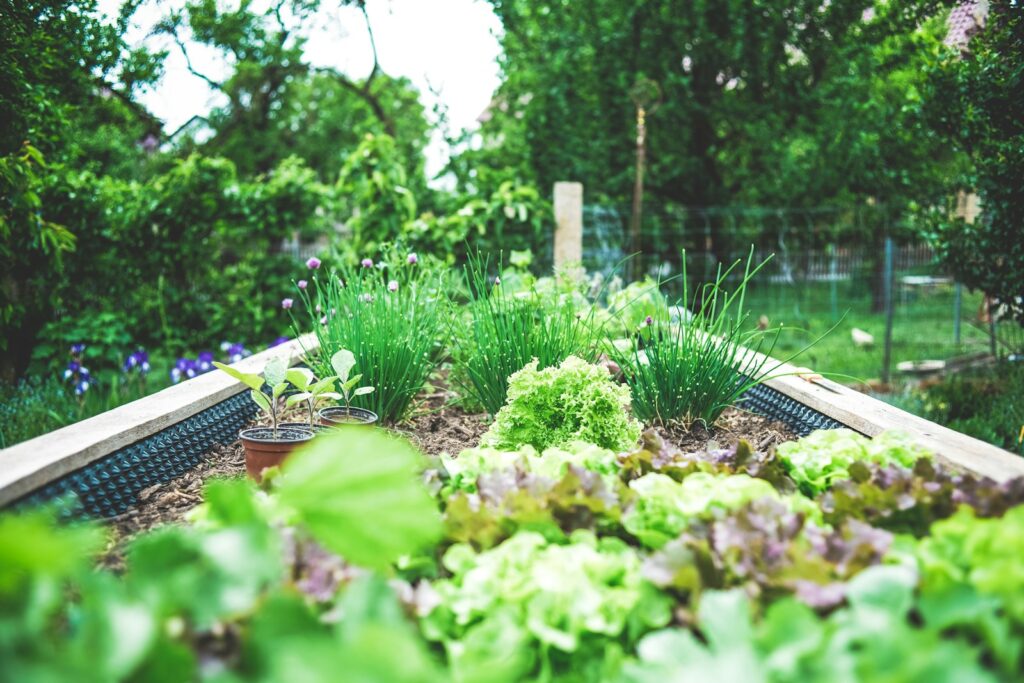
Even in the tiniest homes, creative strategies make indoor salad gardening achievable. Vertical systems like wall-mounted planters, tiered shelves, or even shoe organizers turn unused walls into lush growing areas. Window farms—vertical hydroponic setups hung in sunny windows—add beauty while using natural light efficiently.
Microgreens thrive in repurposed clamshell containers on countertops, offering big flavor from just a few square inches. Rolling cart gardens are great for shifting plants toward the best light throughout the day. For the ultimate space-saver, try stacking clear containers of microgreens vertically, creating a compact, harvestable tower of greens right in your kitchen.
Seasonal Considerations for Year Round Growing
Though indoor gardens offer more control than outdoor ones, seasonal shifts still affect growing conditions and require thoughtful adjustments. In winter, shorter days demand supplemental grow lights set to 12–14 hours daily, ideally with a timer for consistency. Dry indoor air from heating systems may call for humidity trays or gentle misting to keep greens thriving.
In contrast, summer can bring overheating and premature bolting—position plants away from intense sunlight and choose heat-tolerant varieties. Air conditioners can also create cold drafts, so avoid placing greens near vents. For best results, switch crops seasonally: cold-hardy greens like kale in winter, and heat-tolerant lettuces or Asian greens like tatsoi during warmer months.
Expanding Beyond Basic Salad Greens
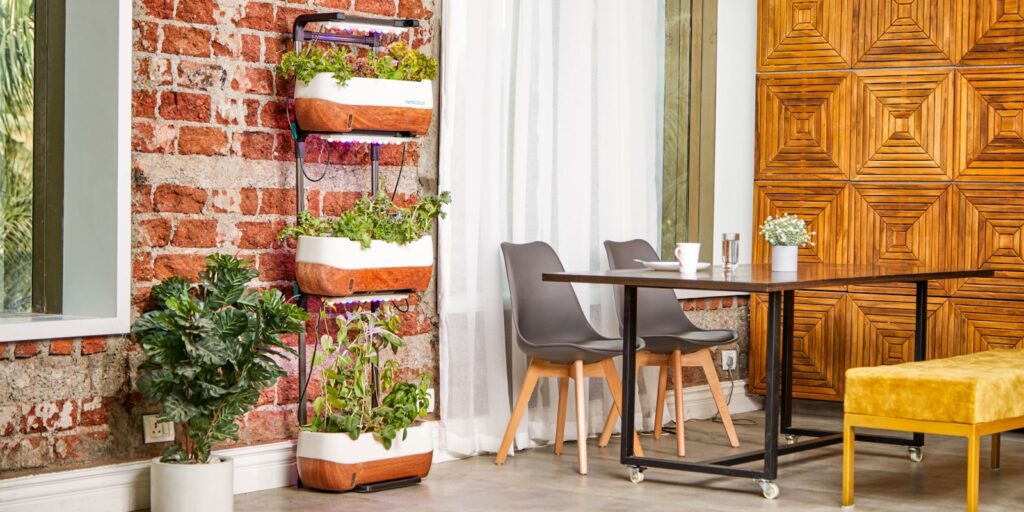
Once you’re confident growing lettuce, diversifying your indoor salad garden unlocks new flavors, colors, and nutrients. Edible flowers like nasturtiums, pansies, and violas grow well indoors and add vibrant hues—nasturtiums provide a spicy bite, while pansies lend a mild, minty taste. Herbs such as parsley, cilantro, and dill thrive alongside salad greens, offering aromatic and flavorful enhancements. Fast-growing Asian greens like mizuna, tatsoi, and komatsuna bring variety in both texture and taste.
Pea shoots are another quick favorite—ready in just 2–3 weeks and full of sweet, tender flavor. If you have more vertical space, try growing compact cherry tomatoes or dwarf peppers in larger containers, rounding out your indoor harvest with everything you need for a fresh, homegrown salad.
Harvesting Health and Simplicity at Home
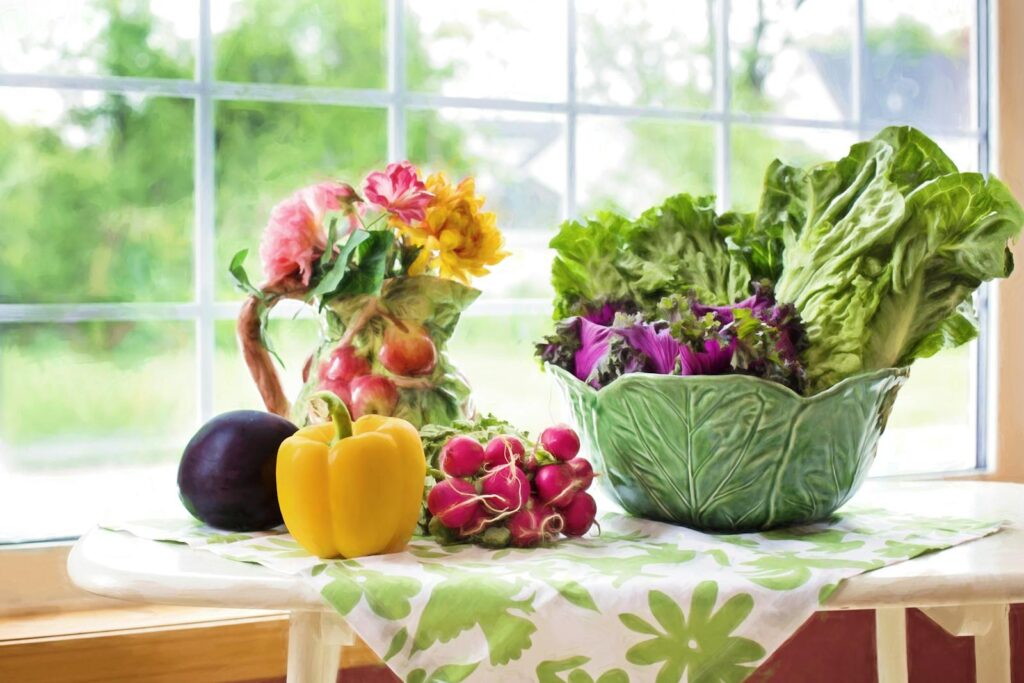
Growing salad greens indoors transforms a simple countertop or windowsill into a productive micro-farm that provides fresh, nutritious harvests regardless of outdoor conditions. The minimal space requirements, low startup costs, and quick results make this form of gardening accessible to nearly everyone, from apartment dwellers to homeowners seeking year-round fresh produce. By understanding the basic principles of light, water, and plant care outlined in this guide, you’ll soon develop a rhythm that makes maintaining your indoor garden a simple, rewarding part of your daily routine.
The satisfaction of harvesting your own greens—pesticide-free, vibrant, and at the peak of freshness—creates a connection to your food that no store-bought product can match. Whether you’re growing a few containers of microgreens or developing an elaborate vertical garden system, indoor salad production represents one of the most practical and beneficial forms of food self-sufficiency available to the modern home gardener.