

Bringing home a new kitten is an exciting time filled with cuddles, play, and adorable antics. However, one of the first challenges many new kitten owners face is litter box training. While cats have a natural instinct to bury their waste, kittens need guidance to develop proper bathroom habits. The good news is that with patience, consistency, and the right approach, you can successfully housebreak your new feline companion.
This comprehensive guide will walk you through everything you need to know about teaching your kitten proper litter box etiquette, handling accidents, and establishing lifelong good habits.
Understanding Your Kitten’s Natural Instincts
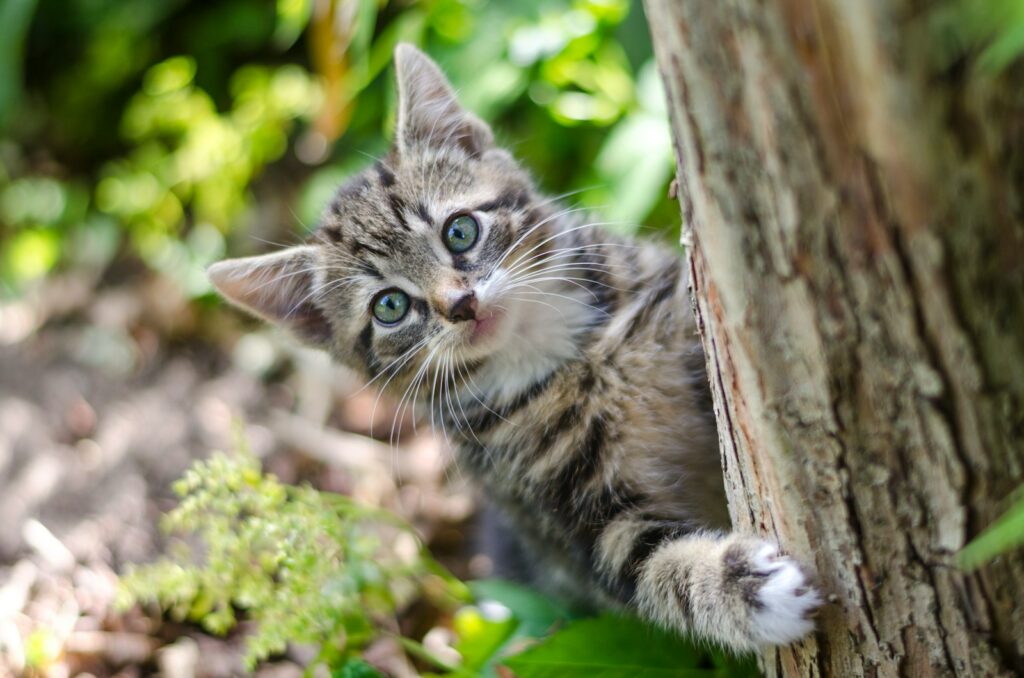
Cats are naturally clean animals with an instinctive desire to bury their waste, making them generally easier to housebreak than dogs. This instinct develops early, usually by three to four weeks of age, when kittens begin mimicking their mother’s bathroom behaviors. By the time most kittens go to their forever homes (around 8-12 weeks), they have already observed or started using a litter box.
Your kitten’s natural tendency to dig and cover provides a solid foundation for successful litter box training. Understanding this innate behavior helps explain why most kittens adapt quickly to litter box use when provided with the right environment and gentle guidance.
Choosing the Right Litter Box
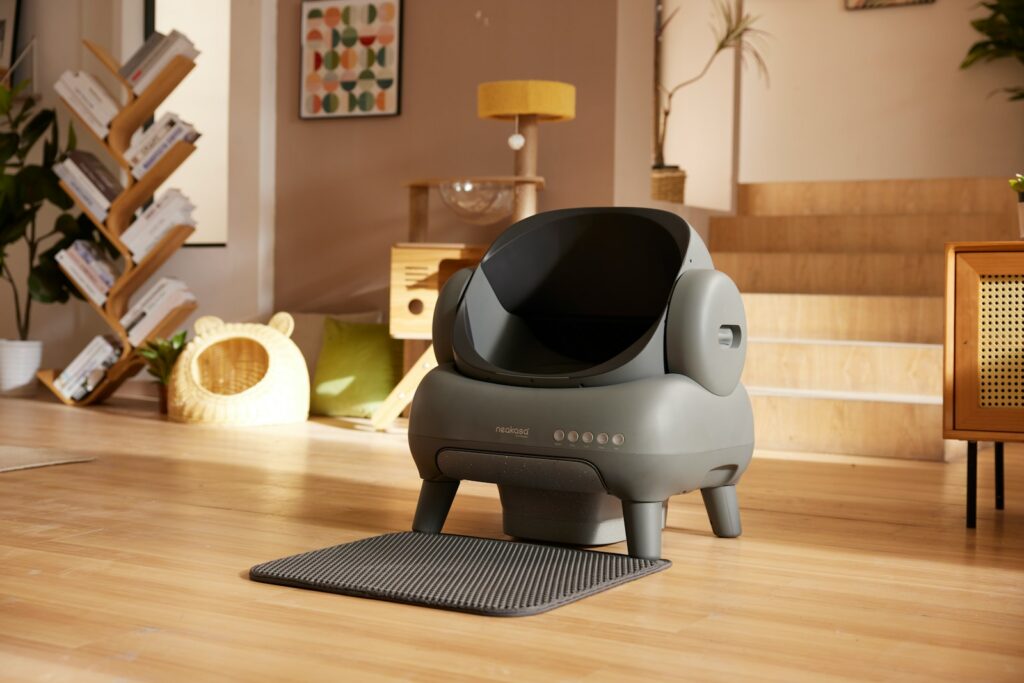
The first step in successful housebreaking is selecting an appropriate litter box for your kitten’s size and developmental stage. For very young kittens, choose a shallow box with low sides that allows easy entry and exit – many commercial kitten-specific boxes are available, or you can repurpose a shallow cardboard box initially. Avoid covered litter boxes at first, as they can be intimidating to kittens who are just learning. As your kitten grows, you’ll want to transition to a larger, more permanent box.
The ideal adult litter box should be approximately 1.5 times the length of your adult cat from nose to tail base, giving them ample room to turn around and dig comfortably. Remember that some cats develop preferences for certain box styles, so be prepared to adapt if your kitten seems uncomfortable with your initial choice.
Selecting the Appropriate Litter Type
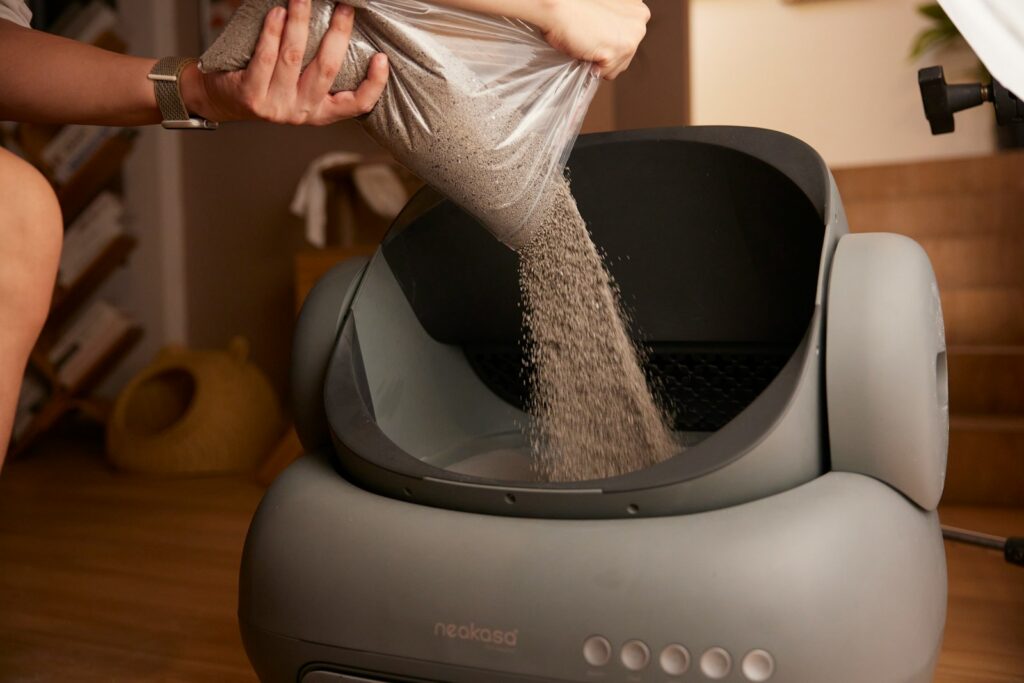
The type of litter you choose can significantly impact your kitten’s willingness to use the litter box. Most kittens prefer fine-grained, unscented clumping litter that mimics the soft texture of soil or sand they would naturally seek in the wild. Avoid strongly scented litters that may overwhelm your kitten’s sensitive nose and potentially deter them from the box.
For very young kittens under 8 weeks, non-clumping litter is safest, as they might accidentally ingest clumping litter while grooming. If you’re adopting from a shelter or breeder, ask what type of litter your kitten has been using and start with that to minimize transition stress. Remember that cats can develop strong substrate preferences, so once you find a litter your kitten likes, it’s best to stick with it to prevent future issues.
Strategic Litter Box Placement
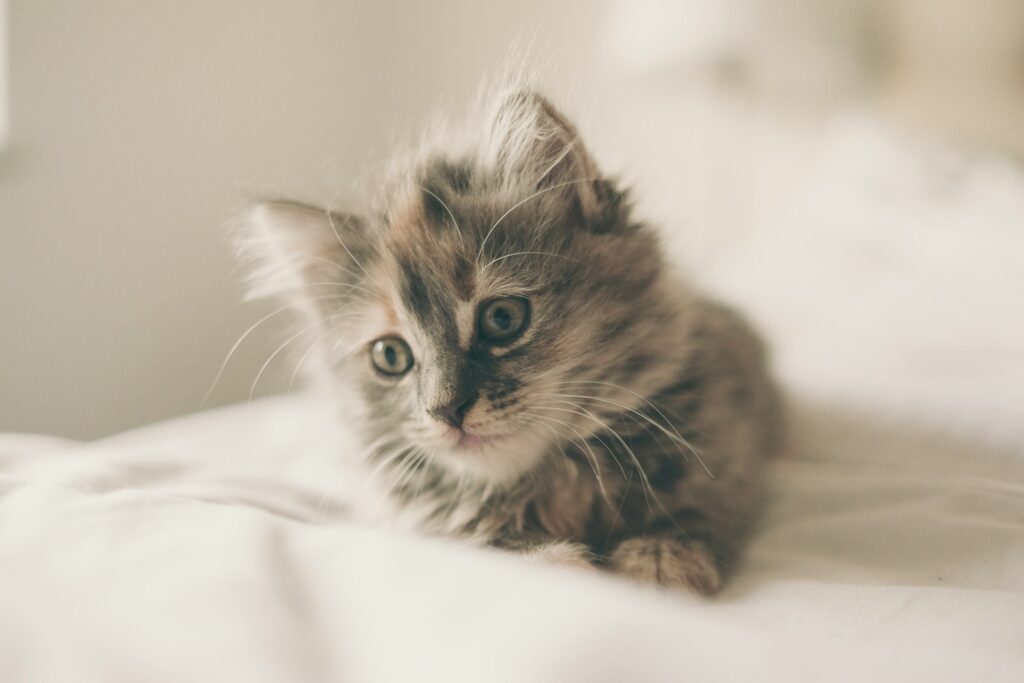
Where you place the litter box plays a crucial role in successful housebreaking. Cats prefer privacy when eliminating but also need to feel safe and secure. Choose quiet, low-traffic areas away from your kitten’s food and water stations, as cats naturally avoid eliminating near their eating areas. For multi-level homes, provide at least one box per floor to ensure your kitten always has easy access. Avoid placing boxes in corners where your kitten might feel trapped or next to appliances that make sudden noises (like washing machines or dryers) which could startle them during use. For the first few days, you might need to confine your kitten to a smaller area with the litter box nearby until they reliably use it, gradually expanding their territory as their housebreaking skills improve.
Introducing Your Kitten to the Litter Box
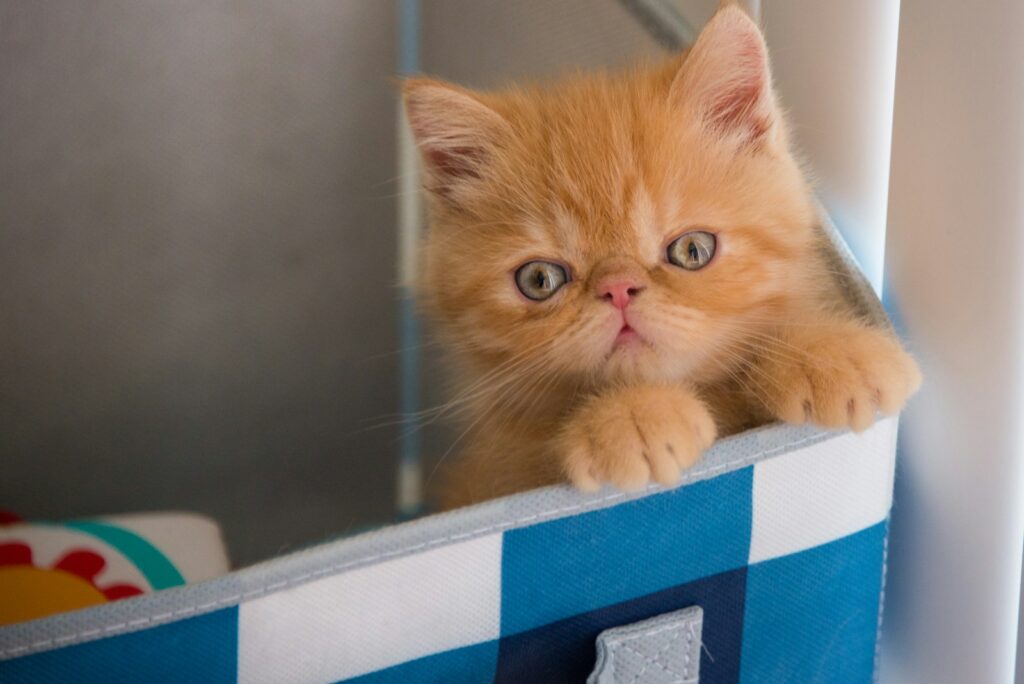
The introduction process should be gentle and positive to help your kitten form good associations with the litter box. When you first bring your kitten home, take them directly to the litter box before exploring other areas of the house. Gently place them in the box, and if needed, take their front paw and mimic a scratching motion in the litter to demonstrate what to do.
Repeat this introduction several times during the first day, particularly after meals, naps, and play sessions when kittens are most likely to need to eliminate. Never force or hold your kitten in the box against their will, as this can create negative associations. Most kittens catch on quickly, but consistency in these early introductions sets the foundation for reliable litter box use throughout their lives.
Establishing a Cleaning Routine
Maintaining a clean litter box is essential for encouraging consistent use, as cats are naturally fastidious animals who may reject a dirty box. Develop a daily scooping routine, removing waste at least once or twice a day to keep the box appealing to your kitten. For clumping litter, a complete litter change and box wash should occur every 2-3 weeks, while non-clumping litter typically requires changing twice weekly. When washing the box, use mild soap and water rather than strong-smelling chemicals that might deter your kitten.
Pay attention to your kitten’s behavior – if they start to hesitate before entering the box or eliminate just outside it, this often signals that a more thorough cleaning is needed. Establishing and maintaining this cleaning routine from the beginning helps prevent litter box aversion problems down the road.
Handling Accidents Appropriately
Even with perfect preparation, accidents may happen during the housebreaking process. How you respond to these incidents significantly impacts your kitten’s learning. If you catch your kitten in the act of eliminating outside the box, calmly interrupt them with a gentle “no” and immediately place them in the litter box. Never yell, physically punish, or rub your kitten’s nose in accidents, as these actions create fear and anxiety that can lead to more elimination problems.
Clean accidents thoroughly using an enzymatic cleaner specifically designed for pet messes to completely eliminate odors that might attract your kitten back to the same spot. After cleaning, consider placing a litter box in that location temporarily, as your kitten may have chosen that spot for a reason such as privacy or convenience. Each accident provides valuable information about what might need adjustment in your housebreaking approach.
Multiple Cat Considerations
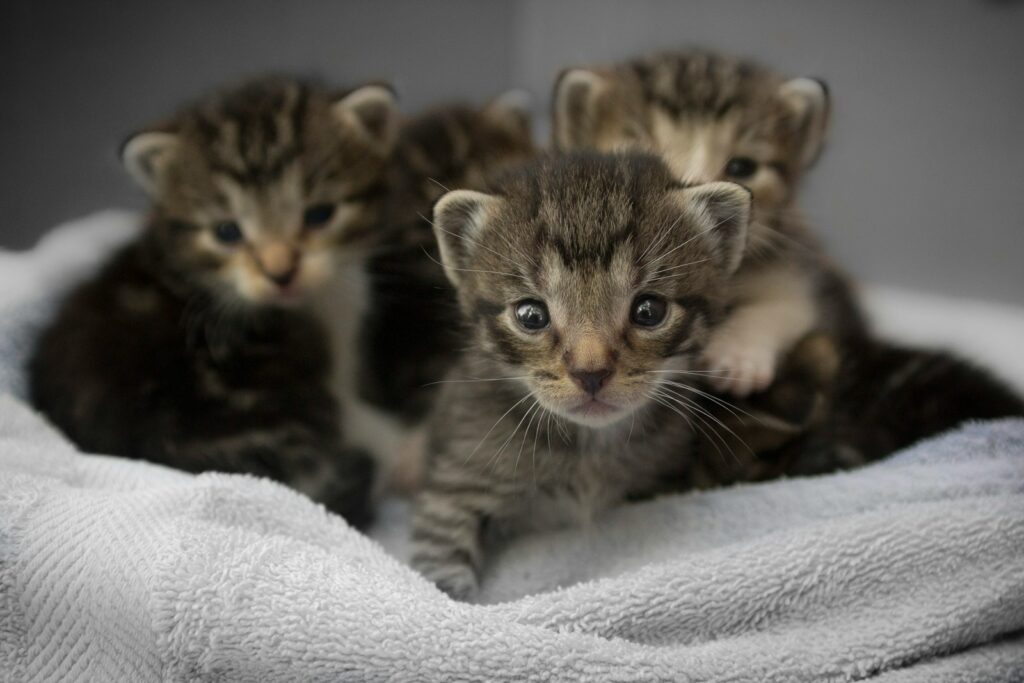
If you have multiple cats or plan to add more felines to your family, proper litter box planning becomes even more important. The general rule of thumb is to provide one more litter box than the number of cats in your household (for example, three boxes for two cats). This reduces resource guarding and gives each cat options if one box is occupied or not to their liking. Place these boxes in different locations rather than grouping them together, as cats may perceive multiple adjacent boxes as a single territory.
Monitor interactions between cats around litter boxes, as a dominant cat may prevent a more timid kitten from accessing certain boxes. In multi-cat households, you may need to provide boxes of different styles or with different litter types to accommodate individual preferences, ensuring all cats have comfortable options that meet their specific needs.
Recognizing Medical Issues vs. Behavioral Problems
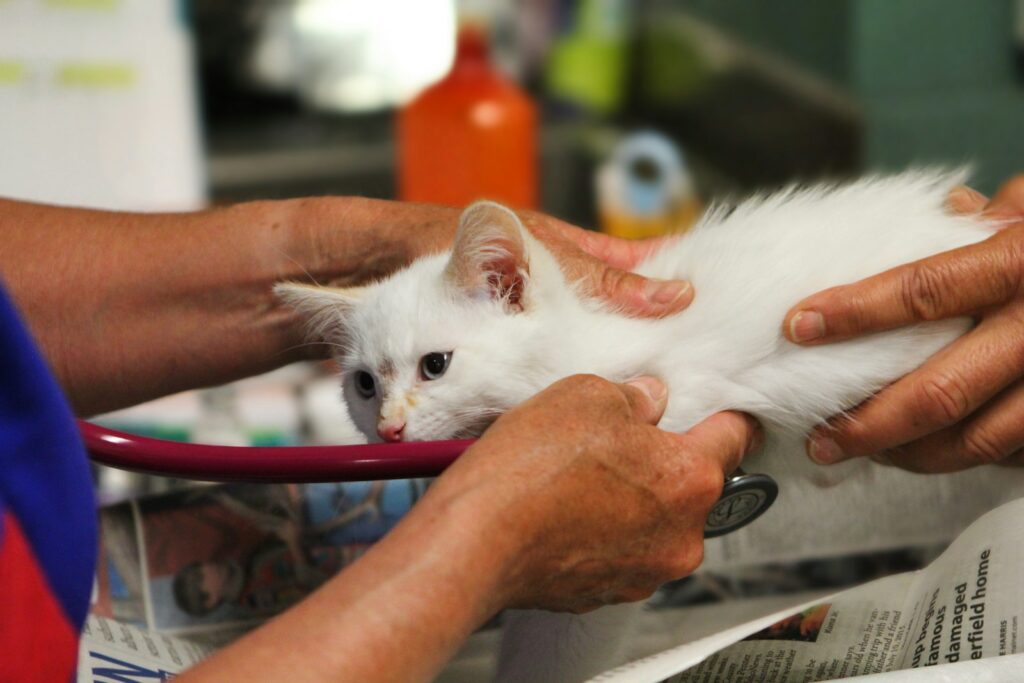
Sometimes what appears to be a housebreaking issue may actually signal an underlying medical condition. If your previously well-trained kitten suddenly starts eliminating outside the box, consider potential health concerns before assuming it’s behavioral. Urinary tract infections, bladder stones, and digestive issues can all cause painful urination or defecation that a kitten may associate with the litter box itself, leading them to avoid it.
Watch for other symptoms like straining, crying while eliminating, excessive grooming of the genital area, or bloody urine. Male kittens are particularly susceptible to urinary blockages, which constitute a medical emergency requiring immediate veterinary attention. When in doubt about sudden litter box avoidance, always consult your veterinarian to rule out medical causes before addressing it as a behavioral issue.
Addressing Common Litter Box Aversions
Some kittens develop specific aversions to certain aspects of their litter box setup that can complicate housebreaking. A kitten might reject a box that’s too small, too deep, or has sides that are difficult to climb. Others may dislike certain litter textures, scents, or the feeling of liners beneath their paws. Some kittens become startled by self-cleaning boxes or develop negative associations if they were previously trapped in a covered box.
If your kitten consistently eliminates just outside the box or uses the box inconsistently, consider systematically changing one element at a time (box type, litter, location) to identify the source of aversion. Pay close attention to your kitten’s behavior – if they dig in the box but then jump out to eliminate elsewhere, or perch on the edge rather than stepping fully inside, these are clear signs that something about the current setup is problematic for them.
Special Considerations for Senior Cats

While this guide focuses on kittens, it’s important to plan for your cat’s future litter box needs. As cats age, they may develop mobility issues like arthritis, making high-sided boxes harder to access. Senior-friendly litter boxes with low entry points or ramps can make a big difference in comfort and usability. Aging cats may also become more particular about litter texture or need boxes placed on the main floor to avoid stairs.
In some cases, cognitive decline in older cats may require gentle litter box retraining, much like with kittens. By building strong litter box habits early, you create a foundation that simplifies future adjustments and helps ensure your cat’s comfort throughout their life.
Environmental Enrichment and Stress Reduction
A less obvious but crucial aspect of successful housebreaking involves managing your kitten’s overall stress levels and providing adequate environmental enrichment. Cats may develop litter box issues when they feel anxious or insecure in their environment, even if they understand the concept of using the box. Ensure your kitten has access to appropriate scratching surfaces, climbing opportunities, hiding spots, and interactive toys that allow them to express natural behaviors. Establish predictable daily routines for feeding, play, and attention that help your kitten feel secure.
If major household changes occur (new pets, moving, renovation), take extra care to maintain litter box consistency and possibly temporarily restrict your kitten to a quieter area with familiar resources. A well-enriched environment with appropriate stress management supports successful housebreaking by preventing anxiety-related elimination problems before they begin.
Celebrating Success and Maintaining Good Habits
Positive reinforcement plays a powerful role in establishing lifelong good litter box habits. When your kitten successfully uses the litter box, especially during initial training, offer gentle praise, a soft pet, or occasionally a small treat immediately afterward to create positive associations. As your kitten becomes reliably housebroken, maintain the environment and routines that supported their success. Continue regular box cleaning, avoid sudden changes to litter type, and respect your cat’s preferences that you’ve discovered during the training process.
Remember that even fully housebroken cats may have occasional accidents during times of stress or illness, so maintain a patient, problem-solving approach throughout your cat’s life. The investment you make in proper housebreaking during kittenhood pays dividends in a harmonious human-feline relationship for many years to come.
Laying the Foundation for Lifelong Litter Box Success
Successfully housebreaking your new kitten requires understanding feline instincts, providing appropriate resources, and responding consistently to both successes and challenges. With patience and the right approach, most kittens quickly learn proper litter box habits that last a lifetime. Remember that each kitten is an individual with unique preferences and learning pace, so be prepared to adjust your methods to suit your particular pet.
By establishing good habits early, maintaining a clean environment, and addressing any issues promptly, you’ll create the foundation for a happy, healthy relationship with your feline companion for many years to come.