

In today’s fast-paced world, our living spaces often reflect the chaos of our daily lives. Clutter accumulates, dust settles, and before we know it, our homes become sources of stress rather than sanctuaries of peace. Research increasingly supports what many have intuitively known: the state of our physical environment significantly impacts our mental wellbeing.
A tidy, minimalist home doesn’t just look aesthetically pleasing—it actually creates the conditions for a calmer, more focused mind. By adopting minimalist cleaning habits, we can transform not only our living spaces but also our psychological landscape, leading to reduced anxiety, improved concentration, and an enhanced sense of control over our lives.
The Psychology Behind Clean Spaces
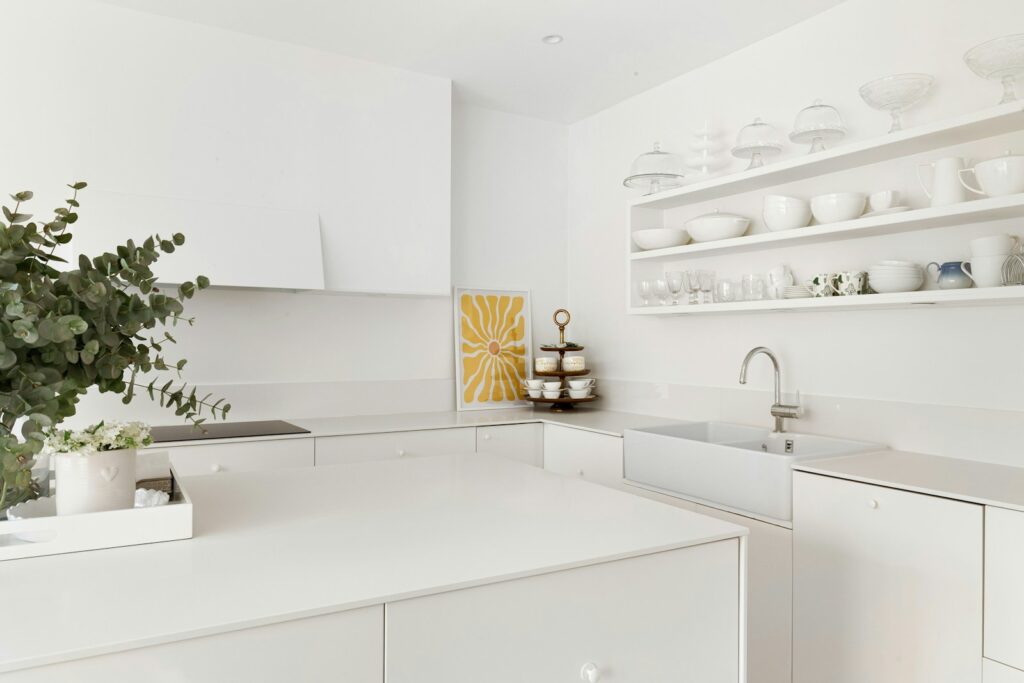
Our brains are constantly processing the visual information in our environment, even when we’re not consciously aware of it. Studies from Princeton University’s Neuroscience Institute have found that physical clutter competes for our attention, limiting our brain’s ability to focus and process information effectively. This constant visual distraction depletes our cognitive resources, making us more prone to stress and reducing our working memory.
When we simplify our surroundings through minimalist cleaning practices, we reduce these unnecessary visual stimuli. The resulting clarity in our physical space creates a corresponding mental clarity, allowing our brains to relax and function optimally. This psychological benefit explains why many people report feeling an immediate sense of relief after decluttering a space.
Core Principles of Minimalist Cleaning
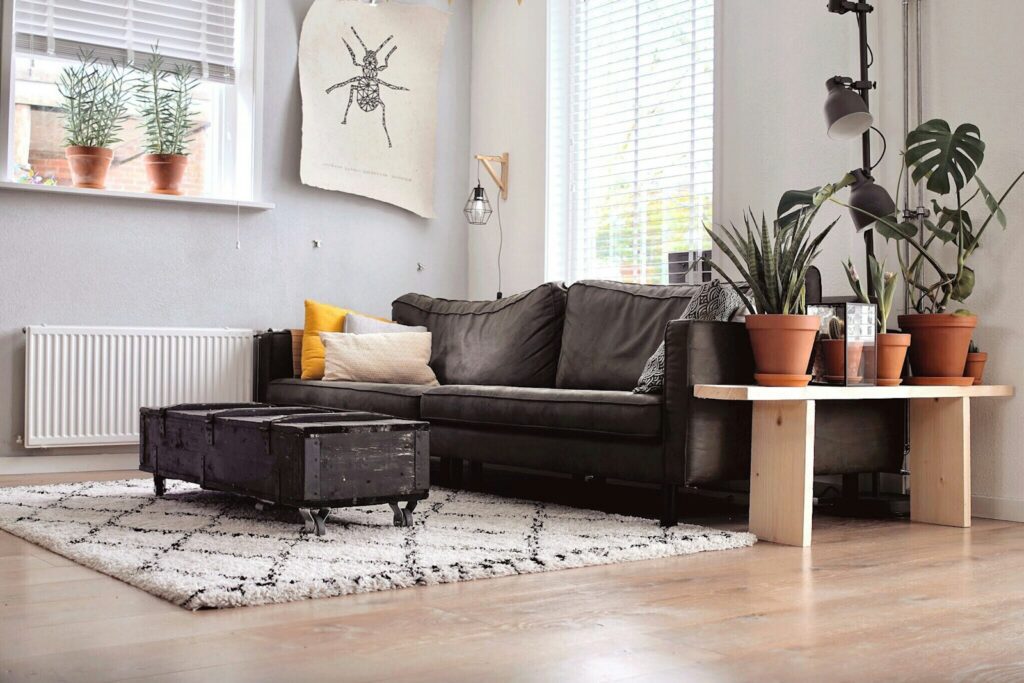
Minimalist cleaning is more than just having fewer possessions—it’s about creating a home that’s easy to maintain and brings peace of mind. The first principle is intentionality: being deliberate about what you allow into your space. Second is “less but better”—choosing quality, multi-purpose items over cheap, single-use alternatives.
The third principle involves systems that stop clutter before it starts, like sorting mail immediately or scheduling regular donation drop-offs. Minimalist cleaning also simplifies your supplies, using a few effective, all-purpose products instead of dozens of specialized cleaners. Altogether, these practices reduce stress, save time, and support a calm, sustainable home environment.
Daily Reset Ritual The 10 Minute Tidy

One of the most transformative minimalist cleaning habits is the daily reset ritual—a brief but consistent practice that prevents disorder from accumulating. This 10-minute tidy, ideally performed in the evening, involves returning items to their designated homes, wiping down frequently used surfaces, and preparing your space for the following day. The power of this practice lies not in deep cleaning but in maintaining the baseline order that allows your mind to relax.
Start by setting a timer to avoid perfectionism and focus on high-impact areas like kitchen counters, entryways, and living room surfaces. Make this ritual non-negotiable, like brushing your teeth, and you’ll find that more intensive cleaning sessions become increasingly unnecessary. Many practitioners report that this simple habit significantly reduces their overall cleaning time while dramatically improving their daily quality of life.
The One Touch Rule
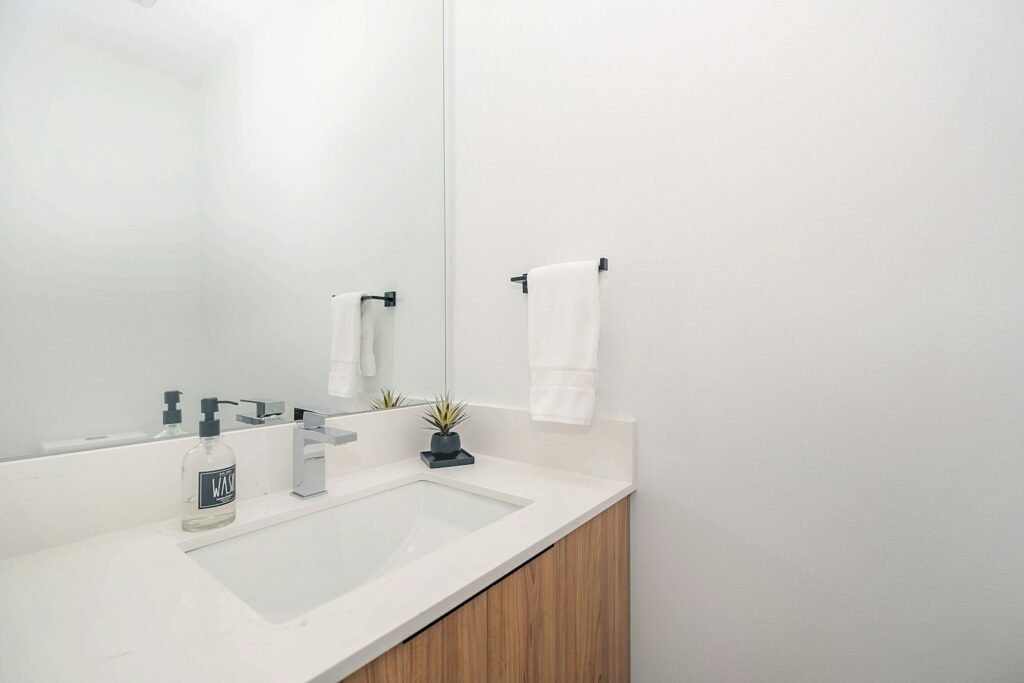
The one-touch rule stands as a cornerstone habit in minimalist cleaning philosophy, designed to prevent the small daily accumulations that eventually create overwhelming clutter. This principle dictates that you handle each item only once before putting it in its final destination—mail gets immediately sorted rather than placed in a “to deal with” pile, dishes go directly into the dishwasher instead of the sink, and clothes are either returned to closets or placed in hampers rather than draped over furniture.
Implementing this rule requires mindfulness and intention, as it counteracts our natural tendency to postpone decisions about where things belong. The mental energy saved by eliminating these repeated micro-decisions about the same items pays enormous dividends in reduced stress and cognitive load. Many converts to this approach report that it initially requires conscious effort but quickly becomes second nature, fundamentally changing their relationship with their possessions.
Minimalist Cleaning Tools and Products
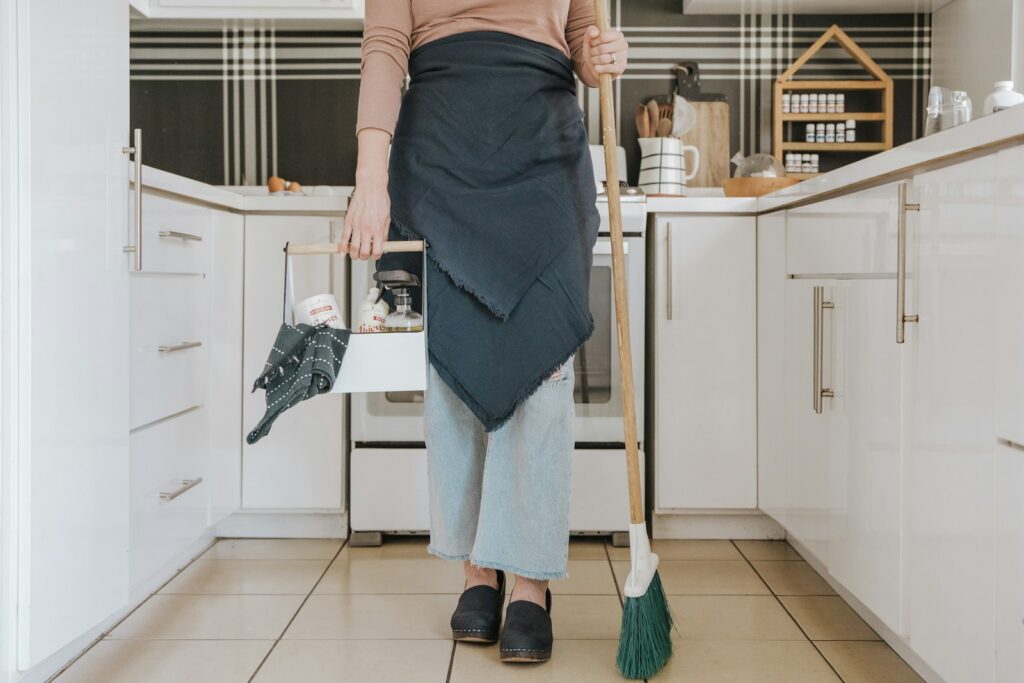
A truly minimalist approach to cleaning extends to the tools and products we use to maintain our homes. Rather than accumulating specialized cleaners for every surface and purpose, minimalist cleaning embraces multipurpose solutions that reduce both physical and environmental clutter. A basic kit might include a good all-purpose cleaner (which can be as simple as vinegar, water, and essential oils), microfiber cloths that eliminate the need for paper towels, a quality vacuum with attachments that serve multiple functions, and a durable mop system.
These few versatile tools can effectively clean 90% of household surfaces. The benefits extend beyond reduced storage needs—fewer products mean less money spent, fewer chemicals in your home, and less decision fatigue when cleaning. Many minimalist practitioners report that simplifying their cleaning arsenal actually improves their cleaning effectiveness while reducing the mental barrier to starting cleaning tasks.
The One In One Out Strategy

Maintaining a minimalist home requires vigilance at the point of acquisition—preventing new clutter from entering your space in the first place. The “one in, one out” rule provides a simple framework: for every new item that enters your home, a similar item must leave. This creates a zero-sum environment where your possessions remain constant rather than continuously expanding. When considering a new purchase, this rule forces thoughtful evaluation about whether the new item truly represents an upgrade over what you currently own.
Applied consistently across categories like clothing, kitchenware, books, and decorative items, this practice naturally curates your possessions toward quality over quantity. The psychological benefit extends beyond physical space—it fosters a mindset of contentment with what you have rather than constant acquisition. Many practitioners report that this simple boundary helps them make more intentional purchasing decisions and appreciate their existing possessions more deeply.
Zones System for Effortless Maintenance
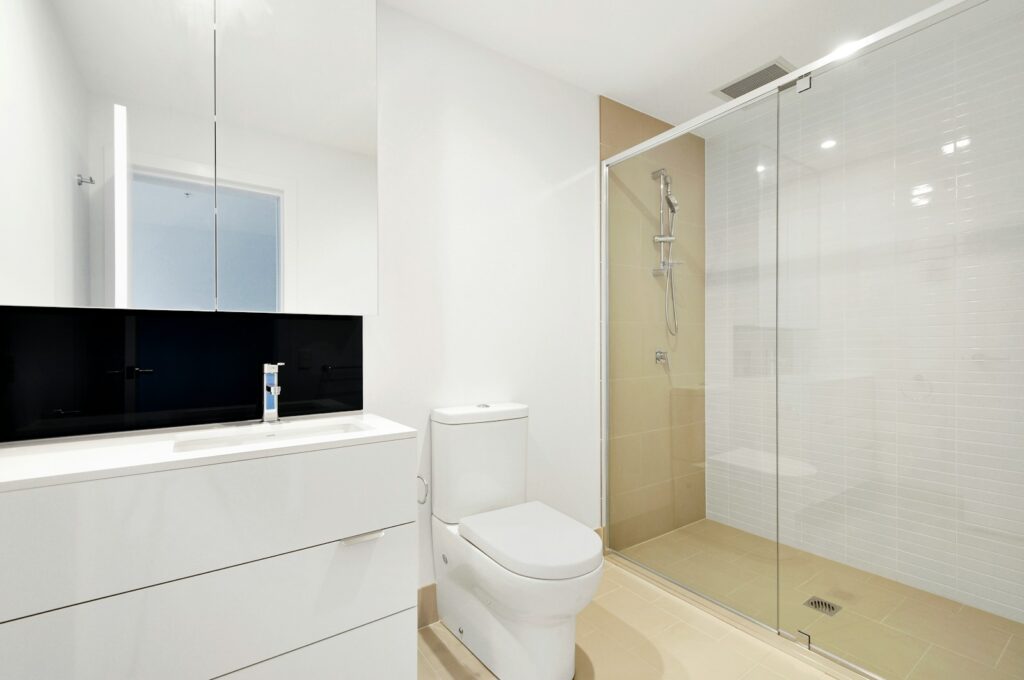
Dividing your home into cleaning zones transforms overwhelming maintenance into manageable tasks that can be integrated into daily life. This system involves assigning different areas of your home to specific days of the week or month, ensuring regular attention without requiring marathon cleaning sessions. For example, Monday might focus on bathrooms, Tuesday on kitchen deep cleaning, Wednesday on dusting and surfaces, and so forth. The power of this approach lies in its preventative nature—small, regular attention prevents the buildup that necessitates intensive cleaning efforts.
Each zone session need only take 15-30 minutes, making it easy to incorporate into even the busiest schedules. The psychological benefit comes from eliminating the nagging feeling that your home needs cleaning—you know exactly when each area will receive attention. Many minimalists find that this system allows them to maintain a consistently clean home with remarkably little time investment.
Digital Decluttering The Unseen Clutter

Minimalist cleaning extends beyond physical spaces into our digital environments, which can create just as much mental noise as physical clutter. Our devices, inboxes, and digital files accumulate virtual detritus that taxes our attention and creates subtle anxiety. A comprehensive approach to minimalist living includes regular digital decluttering—deleting unused apps, archiving old emails, organizing digital photos, and streamlining notification settings. These digital spaces impact our mental state just as profoundly as our physical surroundings, yet often receive less attention in cleaning routines.
Set aside time monthly to clean your smartphone, delete redundant files, unsubscribe from newsletters you don’t read, and organize your digital workspace. Many practitioners report that after digital decluttering, they experience improved focus, reduced stress, and even decreased screen time as their devices become tools rather than sources of distraction.
Cleaning Mindfully Quality Over Quantity
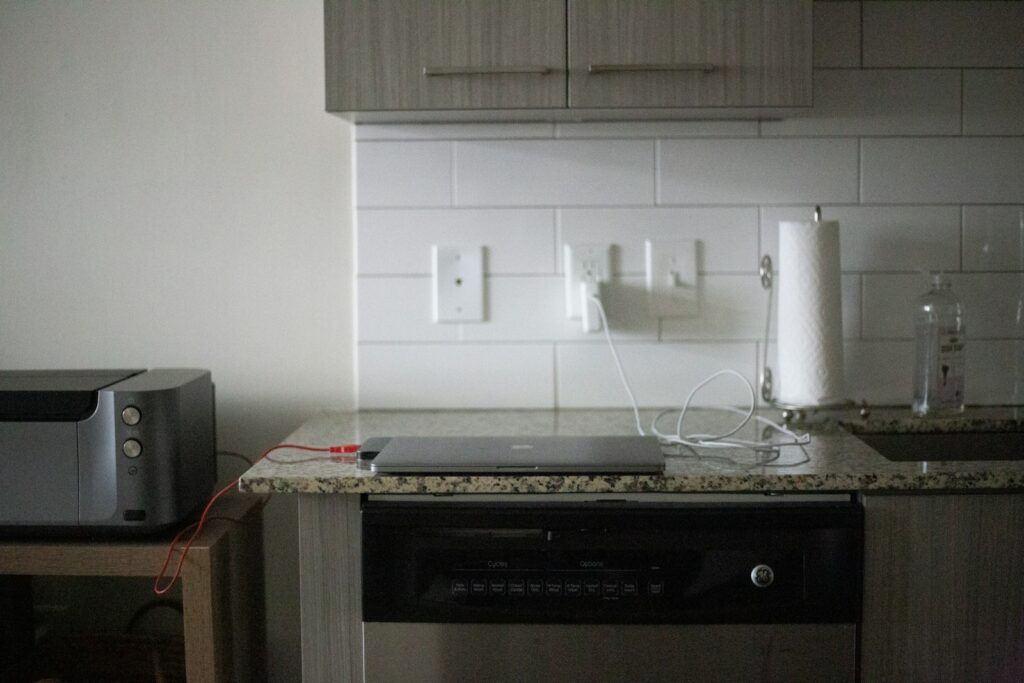
Minimalist cleaning emphasizes the quality of your cleaning experience rather than the time spent or frequency of cleaning sessions. This mindful approach transforms cleaning from a dreaded chore into an almost meditative practice. When cleaning, bring your full attention to the task at hand rather than rushing through while mentally elsewhere. Notice the sensory aspects—the smell of clean surfaces, the visual transformation of a space, the physical sensation of creating order.
This focused attention not only results in more thorough cleaning but also creates an opportunity for mental reset. Set aside distractions like phones or television during cleaning sessions to fully engage with the process. Many practitioners find that this mindful approach to cleaning becomes a welcome break from digital stimulation and mental chatter, providing similar benefits to formal meditation practice while accomplishing necessary household maintenance.
Seasonal Deep Cleaning and Reassessment
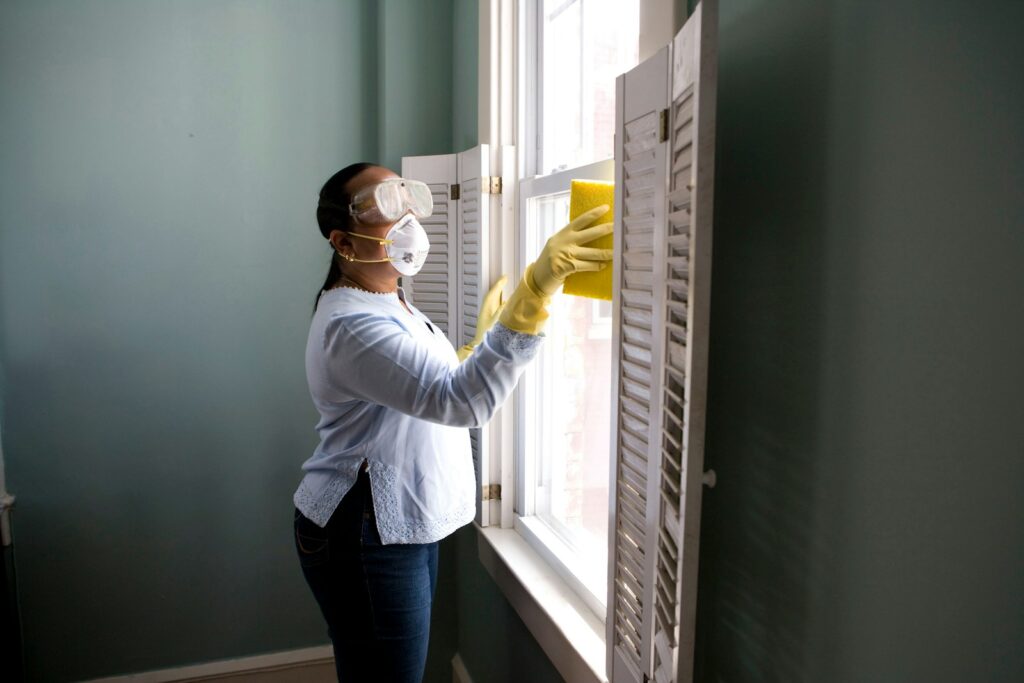
Even with excellent daily and weekly maintenance, homes benefit from seasonal reassessment and deeper attention. Rather than viewing these as dreaded major cleanings, minimalist practitioners approach seasonal cleaning as an opportunity to reconnect with their space and possessions. Each season (typically spring and fall), schedule time to assess areas that receive less frequent attention—inside cabinets, under furniture, storage areas, and rarely-used items. This is also the perfect time to evaluate whether your possessions still serve your current lifestyle and values.
Items that haven’t been used since the last seasonal assessment become candidates for donation or removal. The changing seasons provide a natural rhythm for this reassessment, allowing your living space to evolve with your life. Many minimalists report that these seasonal rituals help prevent the slow accumulation that might otherwise go unnoticed and provide a renewed appreciation for their homes.
Creating Clear Homes for Everything
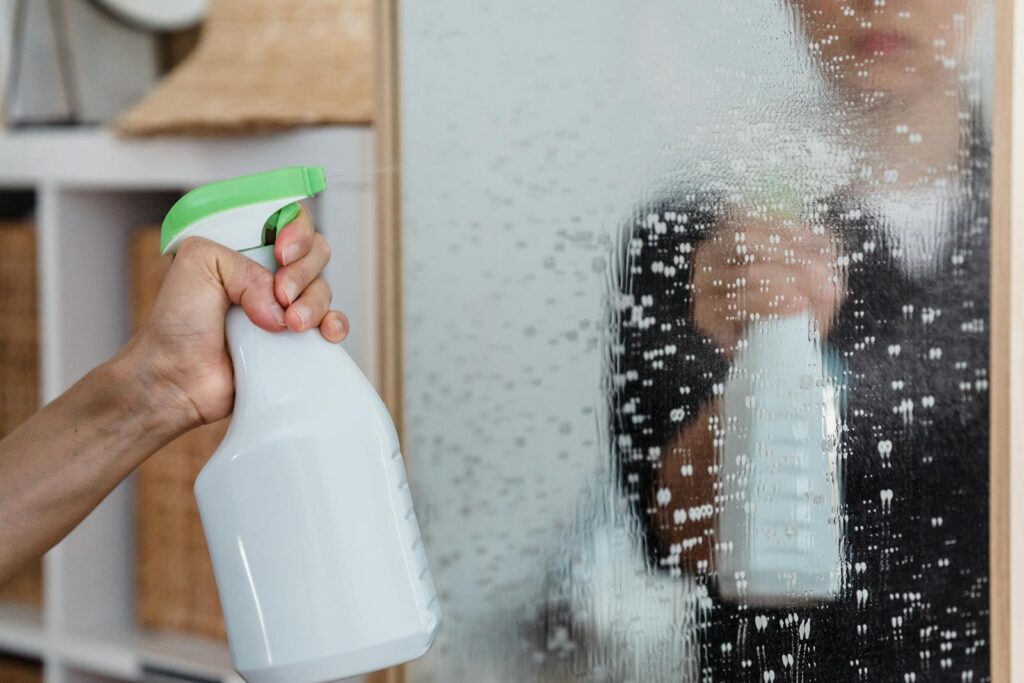
Perhaps the most fundamental principle of minimalist cleaning is the mandate that every item must have a clear, designated home. This simple rule eliminates the ambiguity that leads to clutter—when everything has a specific place to return to, maintaining order becomes infinitely easier. Take time to thoughtfully determine logical locations for items based on frequency of use and context (store items near where they’re used). Label storage areas if necessary until locations become second nature for all household members.
This principle extends to new acquisitions—before bringing something home, identify where it will live. If you can’t determine a logical home for an item, it may be a sign that it doesn’t align with your minimalist intentions. Many practitioners report that this single habit—assigning clear homes for everything—creates the greatest transformation in their ability to maintain a tidy space with minimal effort.
Building Family Buy In and Systems

Maintaining a minimalist home becomes exponentially more challenging when multiple people share the space, each with their own habits and relationship to possessions. Rather than creating conflict through enforcement, successful minimalist households focus on building systems that make tidiness the path of least resistance for everyone. Start by involving all household members in creating the organizational systems they’ll be using—people are more likely to maintain systems they helped design.
Keep shared systems simple enough that even the youngest family members can participate successfully. Consider creating dedicated spaces for each person’s “in-process” items rather than expecting perfect minimalism at all times. Many families find success with regular (but brief) all-hands tidying sessions where everyone participates for 5-10 minutes, often accompanied by upbeat music or followed by a small reward. The key is consistency and positive reinforcement rather than criticism of imperfect efforts.
Minimalist Cleaning as Self Care

The ultimate perspective shift in minimalist cleaning comes from recognizing these habits not as burdensome chores but as acts of self-care and environmental creation. The effort invested in maintaining a harmonious space pays dividends in mental wellbeing, reduced stress, and enhanced quality of life. When we create order in our external environment, we often experience a corresponding sense of internal order and calm. Reframe cleaning activities as gifts to your future self—the person who will wake up tomorrow to clean countertops and organized spaces will feel more peaceful and capable.
This perspective transforms cleaning from something you “have to do” to something you choose to do as an investment in your wellbeing. Many minimalist practitioners report that once this shift occurs, resistance to cleaning tasks dramatically decreases, and the positive feedback loop between tidy spaces and mental clarity becomes self-reinforcing.
The Ongoing Journey of Minimalist Living

Adopting minimalist cleaning habits represents not a destination but an ongoing journey of creating harmony between your physical space and mental landscape. The practices outlined here—from daily reset rituals to mindful cleaning approaches—work together to create a sustainable system that requires less effort while delivering greater results. Remember that perfection is never the goal; instead, aim for continuous small improvements that compound over time. As you implement these habits, you’ll likely discover that the benefits extend far beyond a tidy home.
Many find that minimalist cleaning principles influence other life areas—from more intentional purchasing decisions to greater appreciation for experiences over possessions. The ultimate reward of this approach is not just a cleaner home but a clearer mind, with more energy and attention available for the relationships and pursuits that truly matter in your life.