

Those tiny needle-like teeth on your adorable new puppy can quickly transform cuddling sessions into painful encounters. Puppy biting is a completely normal developmental behavior, but that doesn’t make those sharp little nips any less uncomfortable! New puppy parents often feel overwhelmed and concerned when their cute ball of fluff turns into a miniature shark.
Understanding why puppies bite and learning gentle, effective techniques to redirect this natural behavior is essential for raising a well-mannered adult dog. This comprehensive guide will walk you through understanding, managing, and eventually eliminating excessive puppy biting using humane, positive methods that strengthen your bond rather than damage it.
Why Do Puppies Bite So Much
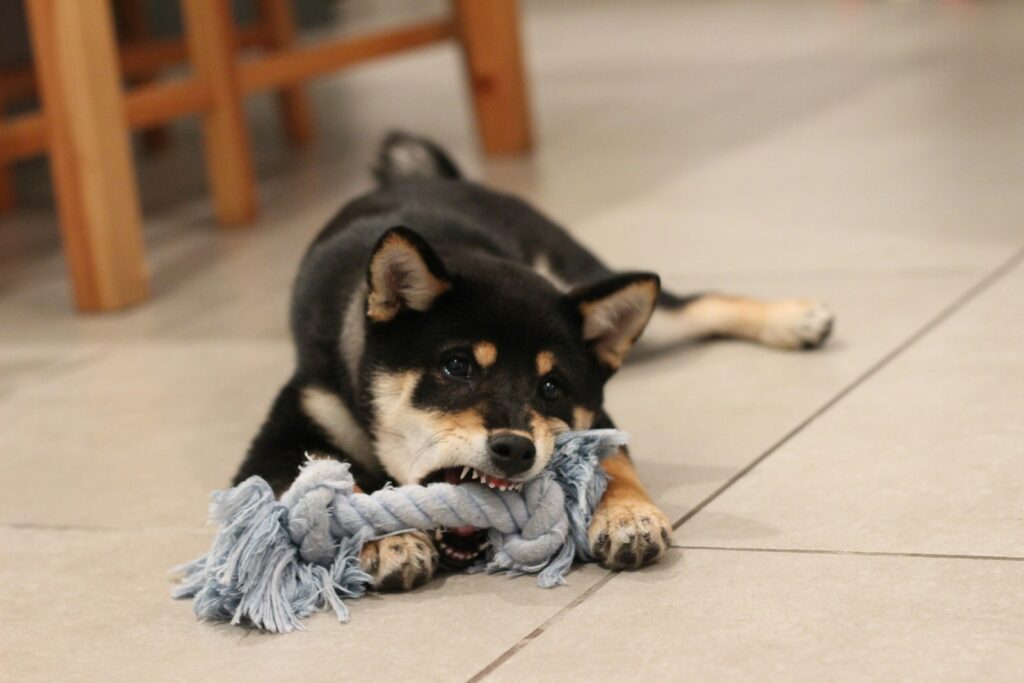
Puppies explore their world primarily through their mouths, similar to how human babies use their hands to discover their environment. This oral exploration is a crucial developmental stage that helps them learn about their surroundings. Additionally, puppies are teething from about 3 to 7 months of age, causing discomfort that they try to relieve by chewing and biting. In their litter, puppies engage in play-fighting with siblings, using their mouths to establish boundaries and learn bite inhibition – the ability to control the pressure of their bite.
Without these natural interactions, your puppy might not realize their bites hurt you because they haven’t learned to moderate their bite strength. Understanding these biological and developmental reasons behind biting helps us address the behavior with empathy rather than frustration.
The Difference Between Playful Nipping and Aggressive Biting

Not all puppy biting has the same motivation, and distinguishing between playful nipping and early signs of aggression is crucial for appropriate training responses. Playful nipping typically occurs during excited play sessions, accompanied by a relaxed body posture, play bows, and a wagging tail. These playful nips, while still painful, are your puppy’s attempt to engage with you in a fun activity. In contrast, aggressive biting is usually preceded by body stiffening, growling, snapping, or resource guarding, and may happen when the puppy feels threatened, scared, or is guarding something valuable.
The context matters tremendously – a puppy who bites when you approach their food or when startled from sleep may be showing early warning signs of fear or aggression that require professional intervention. If you notice concerning patterns, especially stiff body language before biting, consult with a certified dog behaviorist to address these issues early.
Teaching Bite Inhibition A Crucial Life Skill
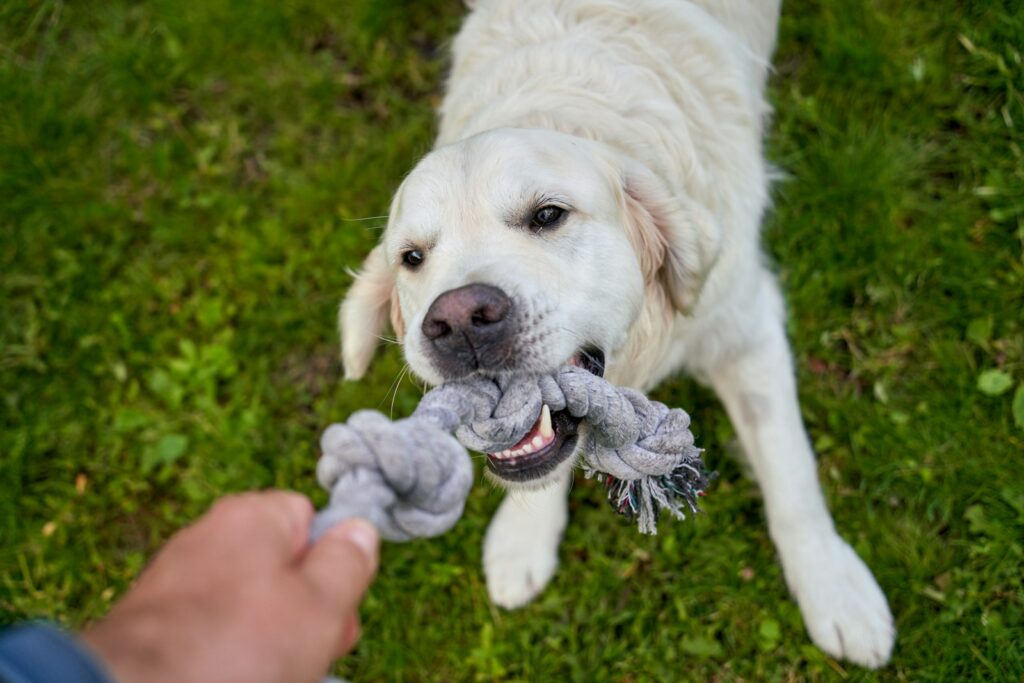
Bite inhibition refers to a dog’s ability to control the pressure of their bite, essentially learning to be gentle with their mouth – a vital skill for any dog to develop. While we ultimately want to teach puppies not to bite humans at all, first teaching them to moderate bite force creates a safety net for their entire lives. A dog with good bite inhibition who is startled or in pain might mouth a hand without applying pressure, rather than delivering a damaging bite. The process of teaching bite inhibition mimics how puppies learn from littermates – when play gets too rough, the bitten puppy yelps and temporarily stops playing.
With humans, you can replicate this by giving a high-pitched “ouch!” when bitten too hard and immediately stopping play for 30-60 seconds. This consistent feedback helps puppies understand that biting too hard makes fun interactions stop. Gradually, you can lower your tolerance for pressure until even gentle mouthing leads to a pause in play, teaching your puppy that human skin requires extreme gentleness.
The Redirect Method Offering Appropriate Alternatives
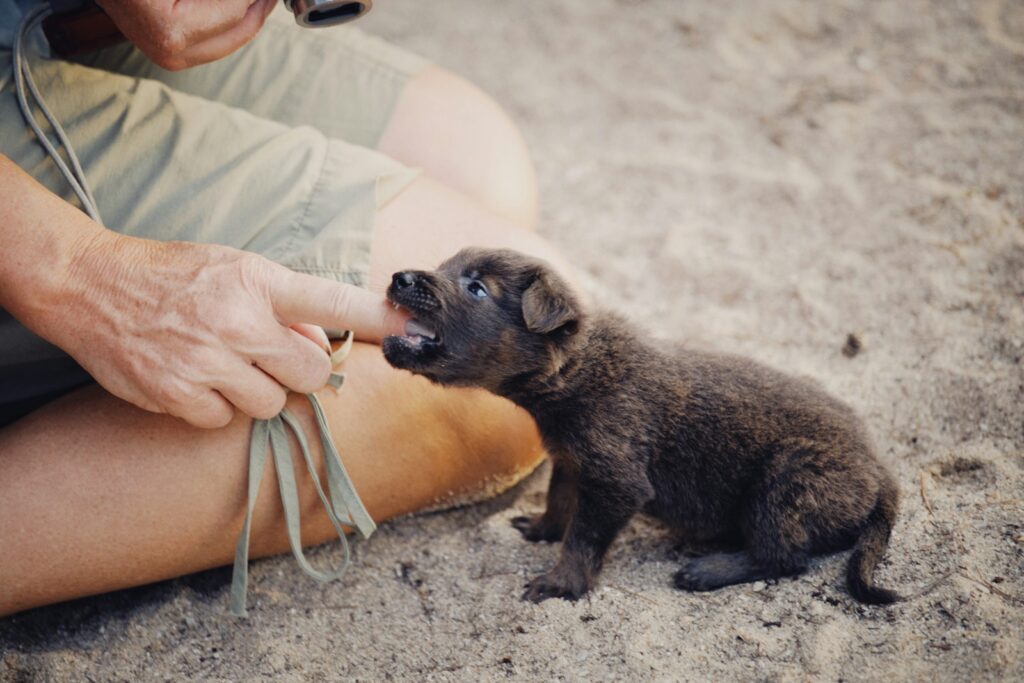
One of the most effective ways to manage puppy biting is through consistent redirection to appropriate chew items. Since puppies have a natural need to chew and explore with their mouths, providing suitable alternatives rather than simply saying “no” addresses the underlying motivation. Keep a variety of puppy-safe chew toys easily accessible in every room where you interact with your puppy. When your puppy starts to mouth your hands, clothes, or other inappropriate items, immediately substitute an acceptable toy.
Make the toy engaging by gently wiggling it or showing enthusiasm for it, reinforcing that the toy is more fun than your fingers. Many trainers recommend having different textures available – rubber toys, soft plush toys, rope toys, and frozen chews – to discover what your particular puppy prefers. Consistency is key: every family member must follow the same redirection protocol to avoid sending mixed messages about what’s acceptable to bite.
Managing Excitement and Overstimulation
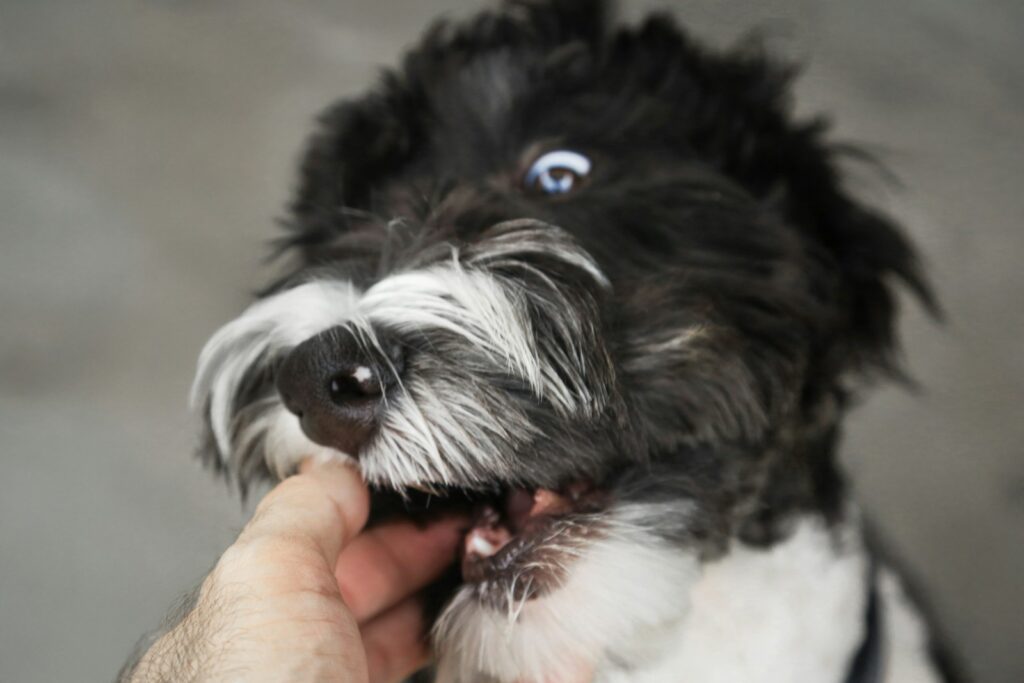
Puppies often bite more intensely when they become overly excited or stimulated, entering a state where they temporarily lose control of their impulses. Learning to recognize the signs of an overstimulated puppy can help prevent biting episodes before they escalate. Watch for zoomies (frantic running around), increasingly rough play, dilated pupils, or excessive barking as indicators that your puppy is approaching their threshold.
When you notice these warning signs, proactively redirect your puppy to a calming activity or provide a brief time-out in a quiet, boring space (not as punishment, but as a chance to reset). Establishing a consistent daily routine with scheduled nap times helps prevent the overtiredness that often leads to biting frenzies. Many new puppy owners are surprised to learn that puppies need 18-20 hours of sleep per day, and a well-rested puppy is typically less bitey than an exhausted one pushed beyond their limits.
The Power of Positive Reinforcement

Positive reinforcement is remarkably effective in teaching puppies what behaviors earn rewards, making it a cornerstone of bite inhibition training. Catch your puppy being good by lavishly praising and rewarding moments when they choose to interact gently or play with appropriate toys instead of biting. When your puppy licks instead of bites, or gently mouths your hand without pressure, immediately mark that moment with a “yes!” or clicker and provide a high-value treat or exciting play session. This approach helps puppies understand what you want rather than just what you don’t want.
Consistently rewarding calm behavior around high-excitement triggers (like children running or guests arriving) gradually builds your puppy’s impulse control. Many trainers recommend setting up short training sessions where you specifically practice touching your puppy’s body parts without being bitten, rewarding them for remaining gentle during handling, which builds valuable restraint for future veterinary visits and grooming.
What Not To Do Avoiding Harmful Methods
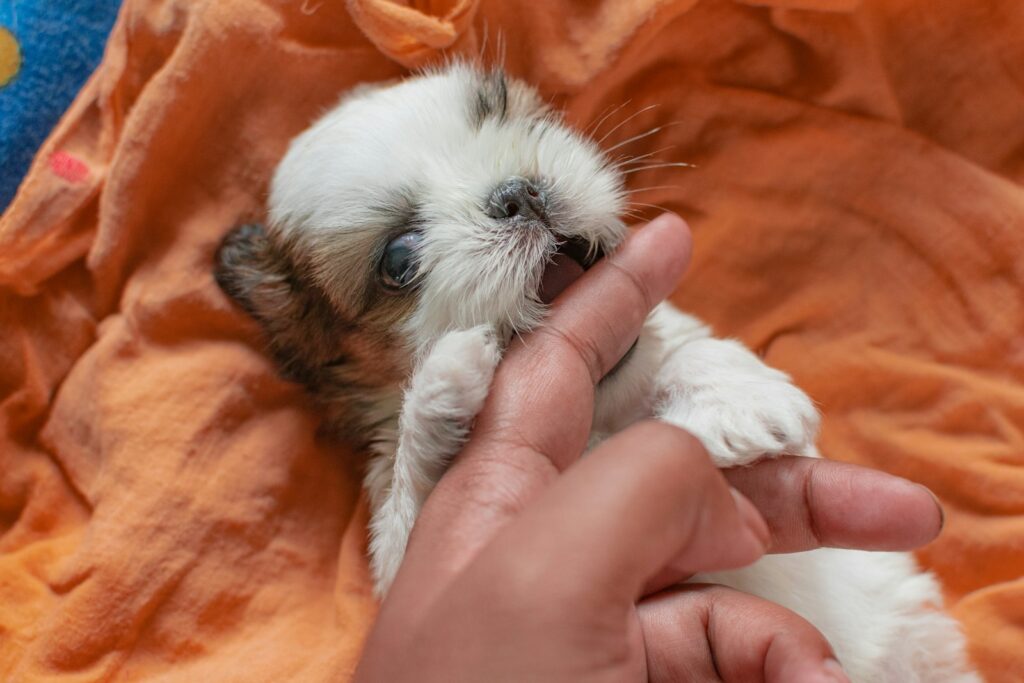
When dealing with painful puppy bites, it’s natural to feel frustrated, but certain common reactions can actually worsen the problem or create new behavioral issues. Physically punishing your puppy by hitting, alpha rolling (forcing them onto their back), or using pain-based corrections like scruffing can damage your relationship and teach your puppy to fear you rather than trust you. These methods often escalate biting because they trigger fear or defensive responses in puppies who don’t understand why they’re being punished for a natural behavior.
Equally ineffective is using your hands as toys by rough-housing or playing “chase the fingers” games, which directly teaches puppies that human hands are appropriate playthings. Yelling or reacting dramatically to bites might inadvertently reward attention-seeking puppies who find any reaction entertaining. Instead of these counterproductive approaches, focus on consistent, gentle redirection and rewarding appropriate behavior, which builds trust while effectively changing the biting habit.
Exercise Needs A Tired Puppy Bites Less

Ensuring your puppy receives appropriate physical exercise and mental stimulation can significantly reduce problematic biting behavior. Puppies have tremendous energy reserves that need healthy outlets, and without structured exercise, they often resort to biting as a way to release pent-up energy. Age-appropriate exercise is crucial – while adult dogs might need long walks or runs, puppies benefit more from several short play sessions throughout the day to avoid overtaxing growing bones and joints.
Mental exercise is equally important for reducing biting: puzzle toys, training sessions, sniffing games, and food-dispensing toys provide cognitive challenges that tire puppies effectively. Many professional trainers observe that five minutes of mental work can be as tiring as 30 minutes of physical play. Creating a balanced daily schedule that includes physical play, training, mental enrichment, and plenty of rest periods helps prevent the energy spikes that often trigger biting frenzies.
Creating a Puppy Proof Environment
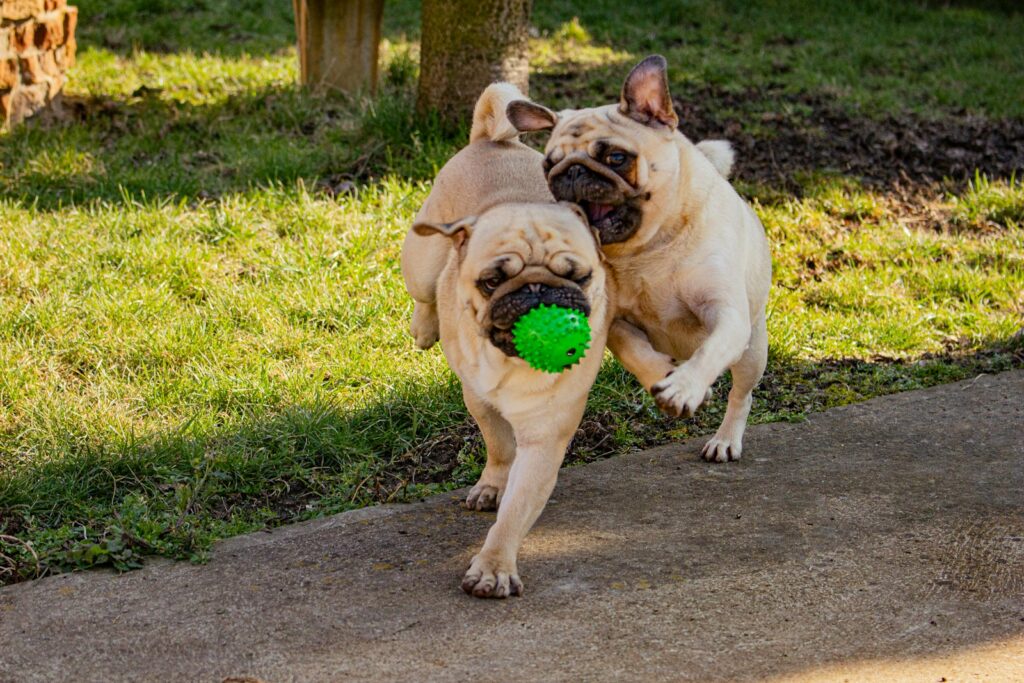
Setting up your home environment to support bite training success can dramatically reduce frustrating incidents and setbacks. Puppy-proofing goes beyond protecting your valuables – it means organizing spaces to minimize opportunities for inappropriate biting while maximizing appropriate chewing options. Keep easily-mouthed items like shoes, children’s toys, and clothing behind closed doors or in elevated storage rather than allowing access and then punishing your puppy for chewing them. Establish puppy-safe zones using baby gates or playpens where the environment is fully controlled and filled with appropriate toys.
In high-activity areas, have “chew toy stations” with varied texture options readily available for quick redirection when biting starts. Consider using bitter apple spray or other safe deterrents on furniture corners or immovable objects that attract persistent chewing. This environmental management reduces the need for constant correction and creates more opportunities to praise your puppy for making good choices.
Special Considerations for Children and Puppies

The interaction between children and bitey puppies requires careful management to ensure safety for both and to prevent the development of fear or aggressive behaviors. Children’s high-pitched voices, quick movements, and tendency to run make them especially exciting to puppies, often triggering chase and bite behaviors. All interactions between puppies and children should be actively supervised by an adult who can intervene before excitement escalates to nipping. Teach children to be “boring trees” when a puppy gets too excited – standing still with arms crossed rather than screaming and running, which intensifies the puppy’s excitement.
Create structured interaction formats like having the child toss toys for the puppy rather than engaging in direct physical play during the bitey stage. Children should understand that puppies aren’t stuffed animals and need space when eating, sleeping, or chewing on toys. Educating children about reading basic dog body language helps them recognize when a puppy needs space, preventing bites that occur when puppies feel cornered or overwhelmed.
When to Seek Professional Help

While most puppy biting resolves with consistent training, certain situations warrant professional intervention to prevent the development of serious behavioral problems. Consider consulting a certified dog trainer or veterinary behaviorist if your puppy’s biting breaks skin regularly, seems to be increasing in intensity despite training efforts, or occurs in specific contexts like resource guarding or when touched in particular areas. Biting accompanied by growling, stiff body posture, or other aggressive displays, especially in puppies over 4-5 months old, requires prompt professional assessment.
Some breeds naturally have stronger bite tendencies and benefit from early professional guidance to channel these instincts appropriately. Don’t wait until a serious incident occurs – early intervention with a qualified professional using positive, science-based methods can effectively address concerning patterns before they become entrenched habits. A professional can evaluate whether the biting falls within normal puppy development or indicates underlying issues requiring specialized training protocols.
Surviving the Teething Phase

The teething period, typically occurring between 3-7 months of age, often coincides with an increase in biting and chewing as puppies seek relief from the discomfort of new teeth emerging. During this challenging phase, providing appropriate teething-specific relief can redirect biting from your hands to more suitable options. Freezing wet washcloths, specially designed puppy teething toys, or rubber toys with frozen broth inside creates numbing relief for inflamed gums. Kong toys filled with frozen plain yogurt, mashed banana, or wet food provide extended chewing opportunities that soothe sore mouths while keeping puppies occupied.
Rotating toys regularly keeps them novel and interesting, preventing puppies from becoming bored and seeking more exciting targets (like your furniture or hands). While the teething phase can test your patience, remember it’s temporary, and consistent management during this period prevents the development of permanent inappropriate chewing habits that can persist into adulthood.
The Timeline What to Expect as Your Puppy Grows
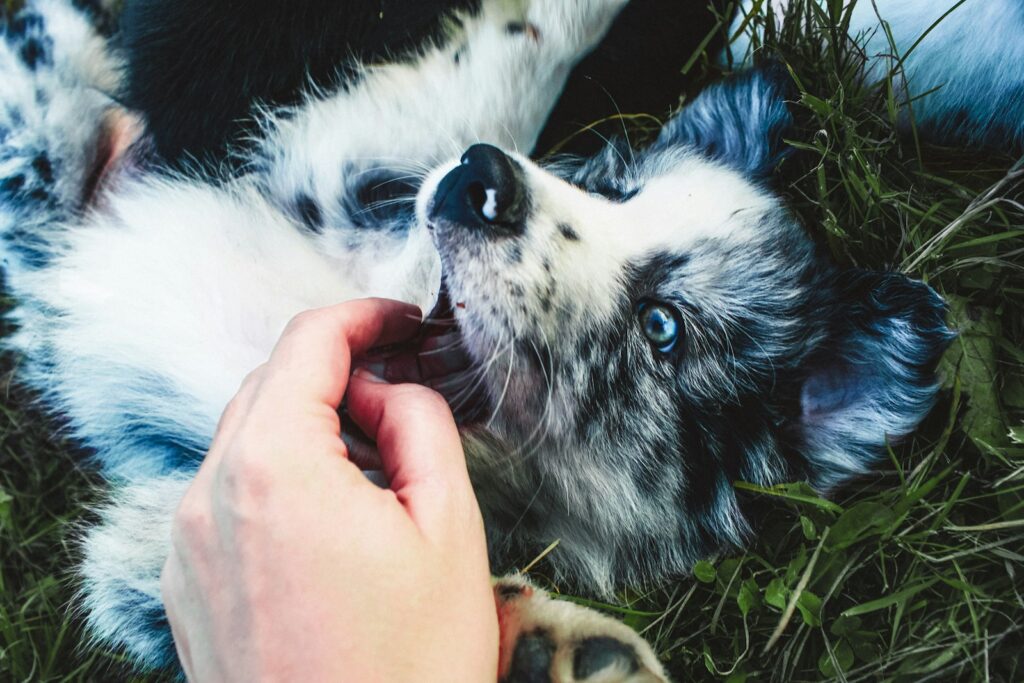
Understanding the typical timeline of puppy biting helps set realistic expectations and recognize progress during this developmental phase. Most puppies begin intense biting around 8–10 weeks of age, often increasing between 3–5 months due to teething discomfort. With consistent, positive training, significant improvement in bite inhibition is usually seen by 6 months, with most puppies outgrowing playful biting by 9–12 months. Every puppy develops at their own pace, so comparing your dog to general milestones rather than others is more helpful.
Navigating this phase takes patience and consistency, but understanding the natural reasons behind biting and creating a supportive environment lays the groundwork for success. With time and proper guidance, your puppy’s sharp teeth will be replaced by not only adult teeth but also gentle, respectful behavior, forming a foundation of trust that lasts a lifetime.