

In today’s world, where environmental concerns are increasingly pressing, making eco-friendly choices at home has never been more important. While the concept of sustainable living might seem overwhelming at first, the truth is that even small changes can make a significant difference over time. By implementing simple, affordable swaps in your daily routine, you can reduce your carbon footprint, minimize waste, and create a healthier living environment for yourself and your family.
These eco-friendly alternatives not only benefit the planet but often lead to cost savings and improved quality of life. Let’s explore 15 easy and practical swaps that can transform your home into a more environmentally conscious space without requiring a complete lifestyle overhaul.
Reusable Water Bottles Instead of Plastic Bottles
Single-use plastic water bottles are among the most common items found in landfills and oceans, with millions being discarded every day. Switching to a reusable water bottle made from stainless steel, glass, or BPA-free plastic is one of the simplest yet most impactful eco-friendly swaps you can make. A good quality reusable bottle can last for years, potentially preventing hundreds or even thousands of plastic bottles from entering the waste stream.
Many modern reusable bottles offer additional benefits like temperature control, keeping your beverages cold for up to 24 hours or hot for 12 hours. The financial savings are substantial too—buying bottled water can cost up to 2,000 times more than drinking from your tap with a reusable bottle.
Cloth Napkins Instead of Paper Ones
Paper napkins create unnecessary waste after just a single use, contributing to deforestation and filling up landfills. Cloth napkins provide an elegant, eco-friendly alternative that can be used hundreds of times before showing signs of wear. Modern cloth napkins come in a variety of fabrics, colors, and patterns to match any home decor style, making them both functional and aesthetically pleasing.
Simply toss them in with your regular laundry when they need cleaning, and you’ll eliminate a significant source of household waste. For the average family of four, switching to cloth napkins can prevent over 4,000 paper napkins from being thrown away each year, representing both environmental and financial savings.
LED Light Bulbs Instead of Incandescent Ones
Traditional incandescent light bulbs are notoriously inefficient, converting only about 10% of their energy consumption into light while the rest is wasted as heat. LED (Light Emitting Diode) bulbs offer a dramatically more efficient alternative, using up to 90% less energy while lasting up to 25 times longer than incandescent bulbs. Though LED bulbs may cost more upfront, they pay for themselves many times over through energy savings and reduced replacement frequency.
The environmental impact is substantial—switching just five frequently used light fixtures to LED bulbs can save about 9% on your home’s electricity bill while preventing hundreds of pounds of carbon dioxide emissions annually. Modern LEDs also come in a variety of color temperatures, allowing you to create the perfect ambiance for any room in your home.
Beeswax Wraps Instead of Plastic Wrap
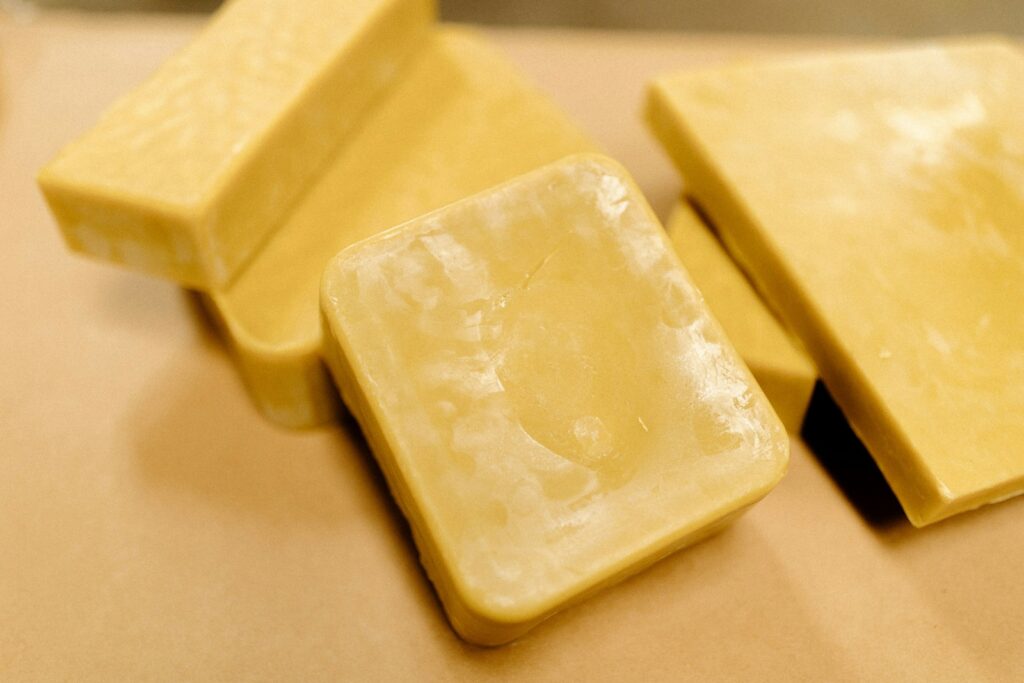
Plastic wrap is a kitchen staple that creates persistent waste, taking hundreds of years to break down in landfills while leaching harmful chemicals. Beeswax wraps offer a natural, reusable alternative made from cotton fabric coated with beeswax, jojoba oil, and tree resin. These breathable wraps can be used to cover bowls, wrap sandwiches, or preserve fruits and vegetables, molding to different shapes with the warmth of your hands.
With proper care, a single beeswax wrap can last up to a year, after which it can be composted or refreshed with a new layer of wax. Beyond their environmental benefits, these wraps actually help food stay fresher longer than plastic wrap because they allow appropriate air circulation while keeping moisture in, reducing food waste as an added eco-bonus.
Bamboo Toothbrushes Instead of Plastic Ones
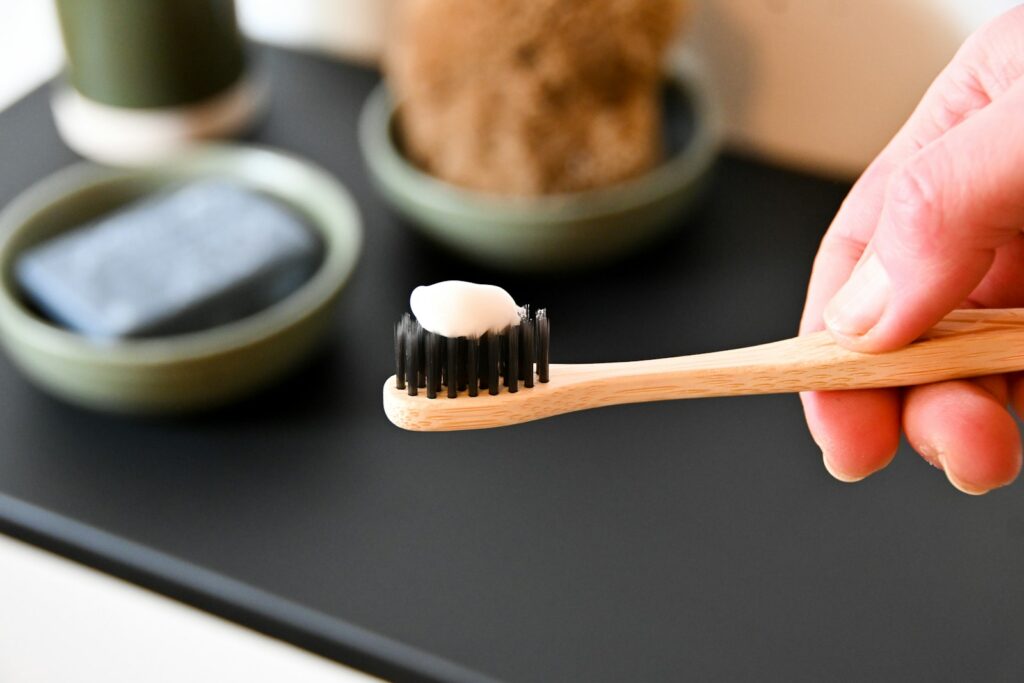
Plastic toothbrushes create significant plastic waste, with over a billion discarded yearly in the U.S. alone, taking centuries to decompose. Bamboo toothbrushes offer a sustainable alternative with handles made from fast-growing, self-regenerating bamboo that needs no fertilizer. While the bristles are usually nylon and may need to be removed before composting, the handle is biodegradable.
The brushing experience is nearly identical to plastic versions, making the switch effortless. Many companies now offer convenient subscription plans to keep you stocked with fresh brushes. Choosing bamboo helps reduce plastic waste without sacrificing oral hygiene quality.
Reusable Shopping Bags Instead of Single Use Plastic Bags
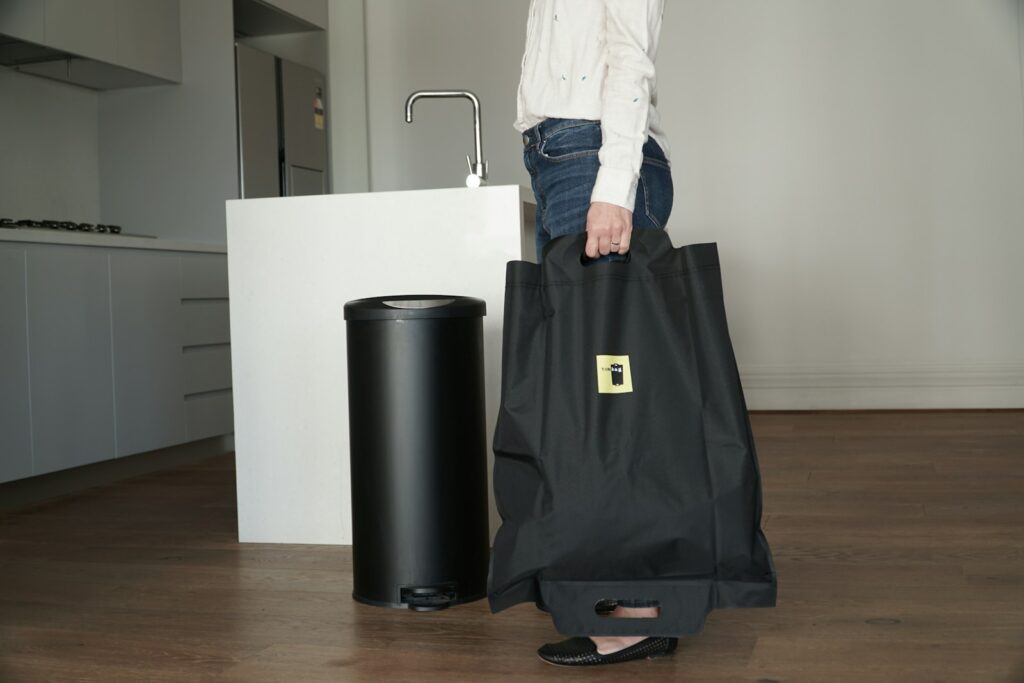
Single-use plastic bags are used for an average of 12 minutes but can persist in the environment for hundreds of years, harming wildlife and clogging waterways. Reusable shopping bags made from canvas, jute, recycled polyester, or other durable materials provide a sustainable alternative that can prevent hundreds of plastic bags from entering the waste stream each year. Many reusable bags fold into compact pouches that easily fit in a purse or glove compartment, ensuring you’re never without one when shopping.
Beyond grocery stores, these versatile bags can be used for clothing purchases, library books, beach items, and countless other carrying needs. Some communities have already banned single-use plastic bags, making this swap not just environmentally conscious but increasingly necessary in many regions.
Wool Dryer Balls Instead of Dryer Sheets

Conventional dryer sheets are single-use items containing synthetic fragrances and chemicals that can cause skin irritation while creating unnecessary waste with every laundry load. Wool dryer balls offer a natural alternative that can be used for over 1,000 loads, reducing drying time by creating space between clothes and absorbing moisture. These durable balls bounce among your laundry, naturally softening fabrics and reducing static without any chemicals.
For those who enjoy scented laundry, a few drops of essential oil can be added to the wool balls before drying, providing a natural fragrance without synthetic perfumes. Beyond their environmental benefits, wool dryer balls can reduce drying time by up to 25%, saving energy and extending the life of your clothing by reducing their exposure to heat.
Digital Subscriptions Instead of Paper Magazines and Newspapers

Traditional print media consumes large amounts of resources, from paper production to fuel for distribution. Switching to digital subscriptions eliminates these impacts and provides instant access to content with interactive features like videos and graphics. Digital formats are often more affordable and offer perks like searchable archives and multi-device access.
A single household can save over 100 pounds of paper per year by going digital with newspapers and magazines. Many publishers now bundle free or discounted digital access with print subscriptions, making the transition easier. Going digital is a simple step toward reducing waste and supporting sustainability.
Refillable Cleaning Products Instead of Single Use Bottles

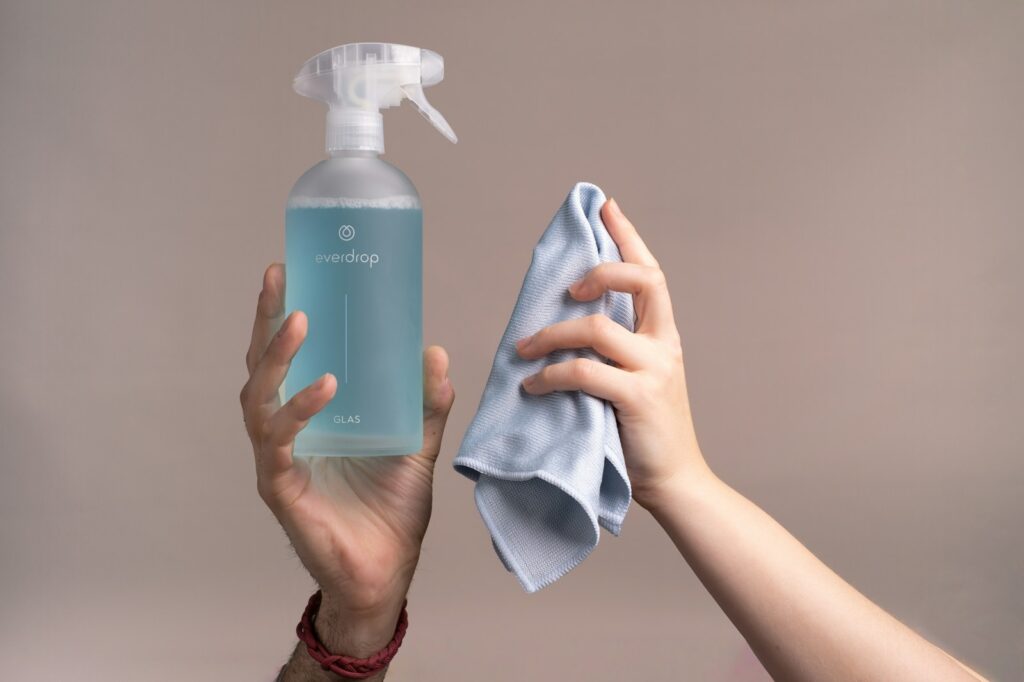
The average household uses dozens of plastic cleaning bottles each year, many of which end up in landfills despite being recyclable. Refillable cleaning systems offer a more sustainable solution by using concentrated cleaners diluted in reusable bottles. These concentrates often come in compact forms like pods or tablets, drastically cutting down plastic waste.
Some brands even provide subscription services, ensuring regular refills with minimal packaging. Since most cleaning products are 90% water, buying just the active ingredients saves both money and resources. Newer systems go further by using compostable wrappers, eliminating plastic entirely from the packaging.
Silicone Food Storage Bags Instead of Disposable Plastic Bags
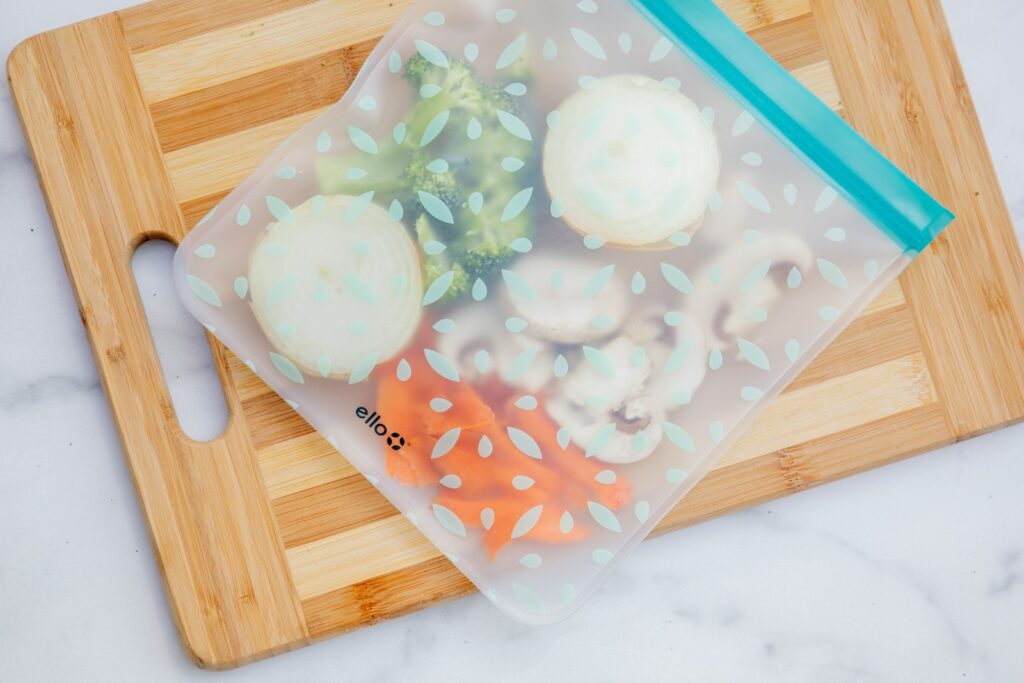
Disposable plastic bags generate massive plastic waste each year and take centuries to decompose in landfills. Silicone food storage bags offer a long-lasting, eco-friendly alternative that can be reused thousands of times. They’re dishwasher-safe, heat-resistant, and often designed to stand upright for easy use. Unlike plastic, silicone can go from freezer to microwave or even boiling water without breaking down.
Although they cost more upfront, silicone bags save money over time and help eliminate hundreds of single-use plastics. With a range of sizes available, they can replace nearly every type of disposable storage bag in your kitchen.
Smart Power Strips Instead of Standard Ones
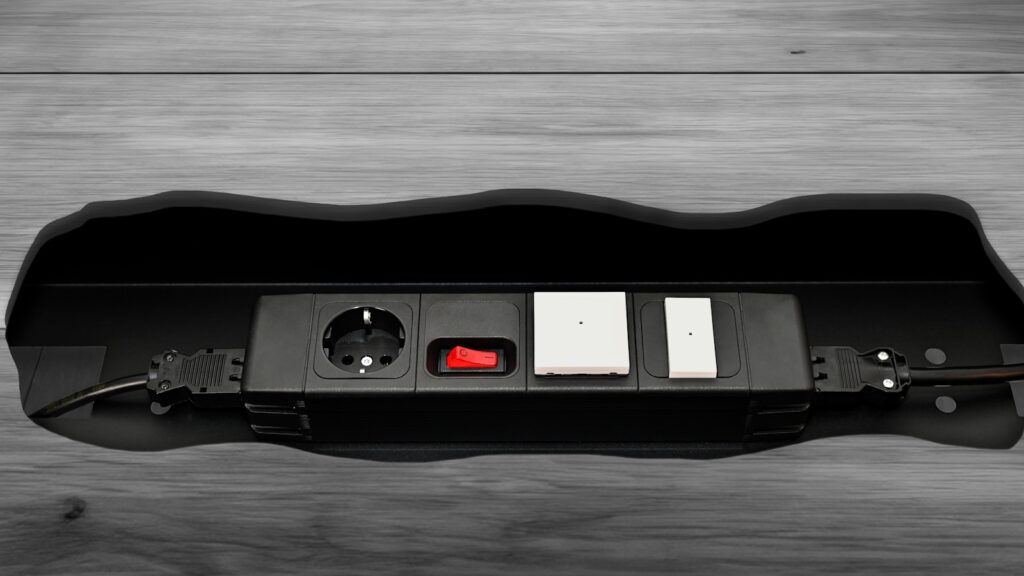
Many electronics draw power even when switched off, known as “phantom” or “vampire” energy, which can make up 10% of a home’s electricity use. Smart power strips help stop this waste by cutting power to devices when they’re not actively in use. They often include “always on” outlets for essential items, while managing others based on schedules or activity.
Advanced versions can connect to smartphone apps for remote control and energy tracking. By reducing phantom energy, households can save hundreds of kilowatt-hours each year, lowering both bills and carbon emissions. With proper placement, smart strips offer effortless, long-term energy savings.
Low Flow Fixtures Instead of Standard Plumbing
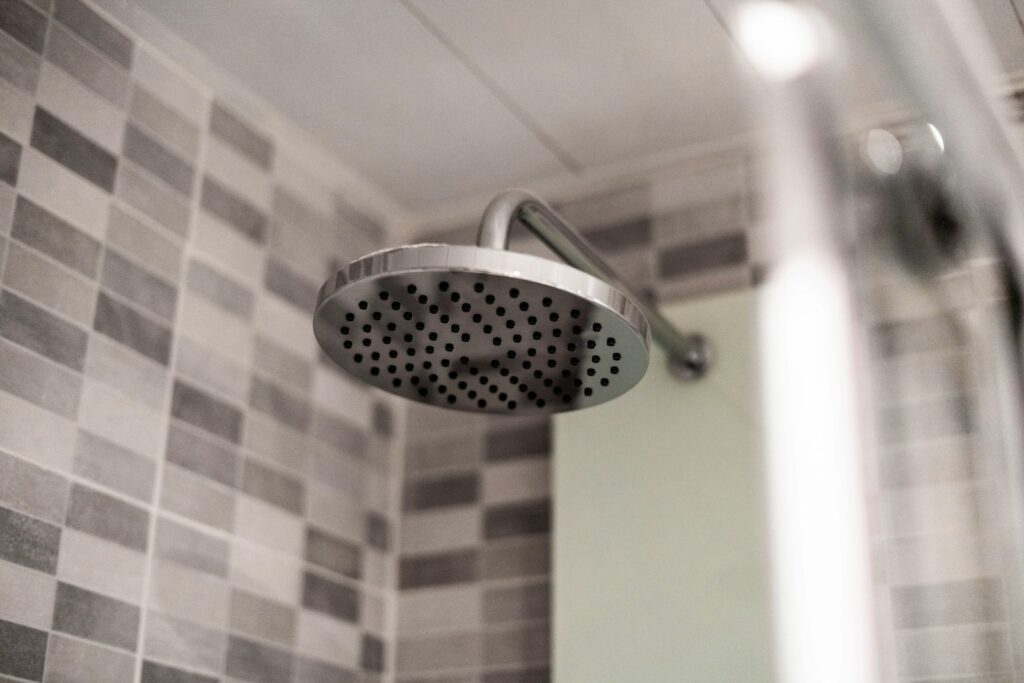
Standard showerheads can use up to 2.5 gallons of water per minute, and older models may use even more, leading to excessive daily water waste. Low-flow fixtures offer an efficient solution, reducing water use by up to 60% while still delivering strong water pressure through smart design. Installing low-flow showerheads, faucet aerators, and efficient toilets can save thousands of gallons of water annually in a single household.
This not only conserves water but also lowers energy use for heating, easing the burden on water treatment systems. Over time, these upgrades also reduce utility costs, often paying for themselves quickly. Adopting low-flow fixtures is a simple yet impactful step toward a more sustainable home.
Indoor Plants Instead of Air Fresheners
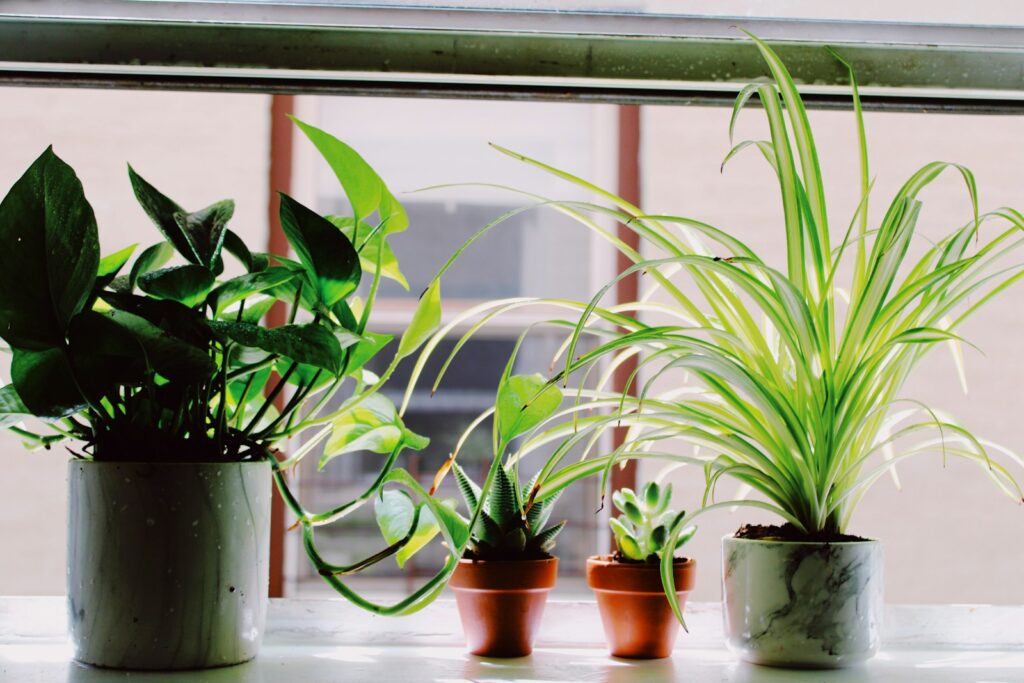
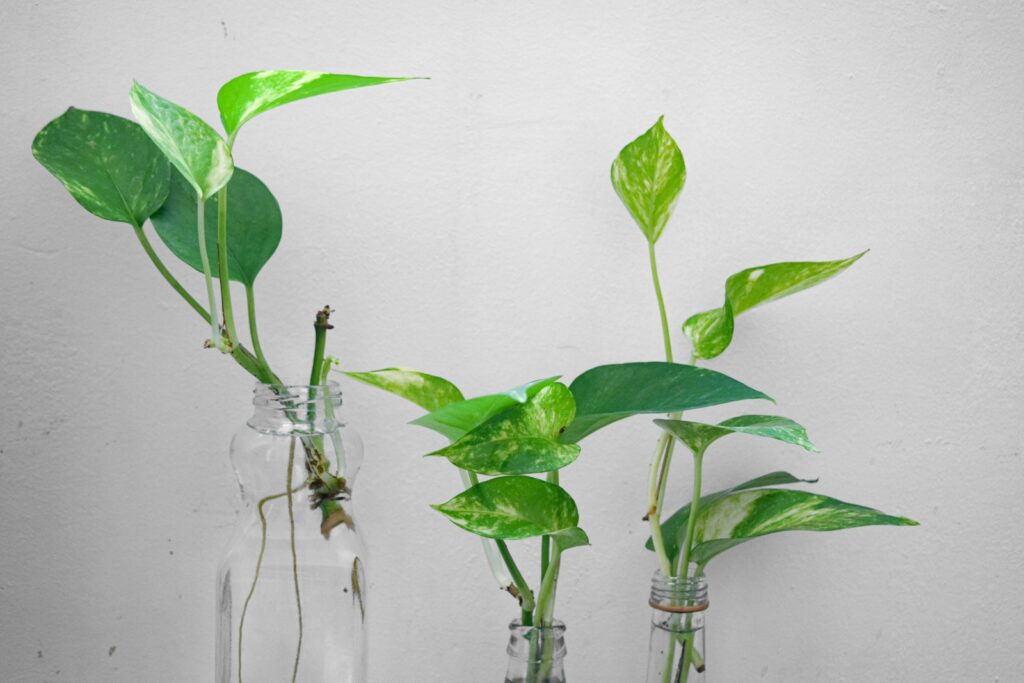
Conventional air fresheners often release volatile organic compounds (VOCs) and synthetic scents that may cause allergies or breathing problems. Their plastic packaging also contributes to environmental pollution. Indoor plants provide a natural, eco-friendly alternative that purifies air by absorbing carbon dioxide and toxins while releasing oxygen.
Low-maintenance varieties like snake plants, peace lilies, and spider plants are excellent choices, even for beginners. These plants not only improve air quality but also beautify interiors, ease stress, and boost focus and productivity. NASA research shows that select houseplants can significantly reduce indoor air pollutants, promoting a healthier and greener home.
Compost Bin Instead of Sending Food Waste to Landfill
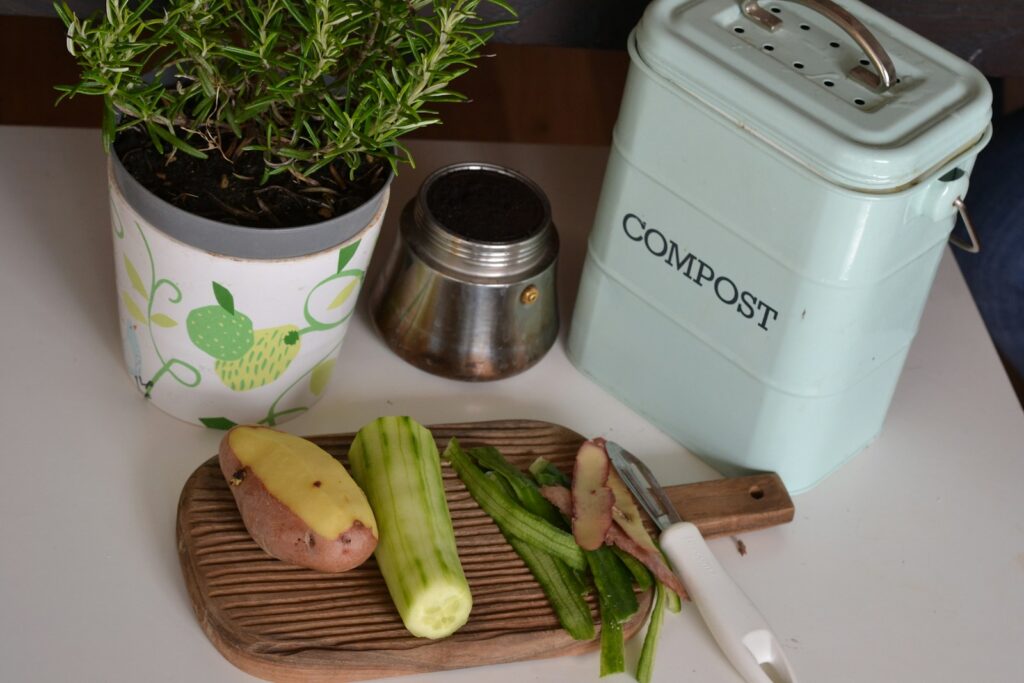
Food waste that ends up in landfills breaks down without oxygen, releasing methane—a potent greenhouse gas far stronger than carbon dioxide. This not only contributes to climate change but also wastes nutrients that could be returned to the soil. Composting at home, whether indoors or outdoors, transforms food scraps and yard waste into nutrient-rich compost. Options like outdoor bins, worm composting (vermicomposting), or bokashi fermentation make it easy—even for apartment dwellers—to compost without unpleasant odors.
On average, a household can divert hundreds of pounds of organic waste from landfills each year, lowering their carbon footprint. In addition to environmental benefits, homemade compost enriches soil, supports plant health, and can boost both vegetable harvests and ornamental garden beauty.
Rechargeable Batteries Instead of Disposable Ones
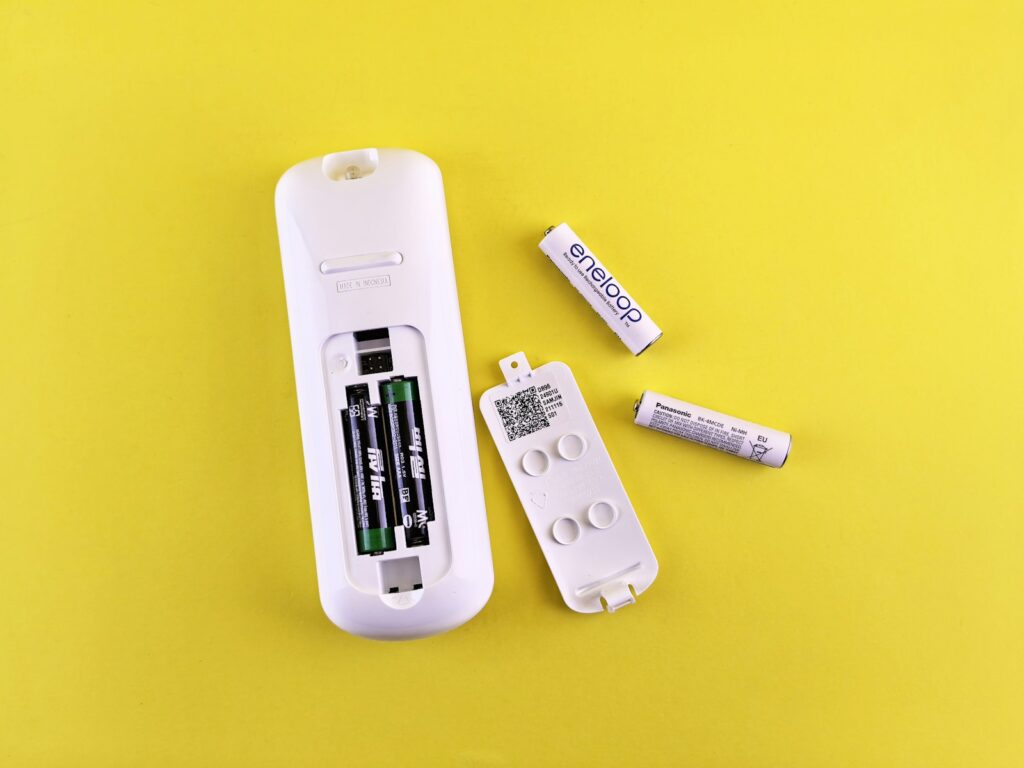
Disposable batteries pose long-term environmental risks by leaking toxic chemicals into soil and water when not properly discarded. Switching to modern rechargeable batteries reduces waste significantly, as they can be reused hundreds of times and work well in high-drain devices. While they require an initial investment, rechargeable batteries often pay for themselves within a few uses, making them both eco-friendly and cost-effective.
To maximize environmental benefits, use solar chargers or charge during off-peak hours when renewable energy is more available. Making your home more sustainable doesn’t require major changes—small, manageable swaps like this can have lasting impact. Each eco-friendly habit contributes to a healthier planet, showing that everyday actions truly matter.