

Macramé plant hangers bring a touch of bohemian charm to any living space while showcasing your beloved greenery in style. This ancient knotting art has experienced a remarkable revival in recent years, becoming a favorite among plant enthusiasts and interior decorators alike. Creating your own macramé plant hangers allows you to customize the design, size, and color to perfectly complement your home’s aesthetic.
Whether you’re a complete beginner or looking to expand your crafting repertoire, macramé offers a satisfying and accessible creative outlet that transforms ordinary plant pots into striking suspended displays.
The Rich History of Macramé
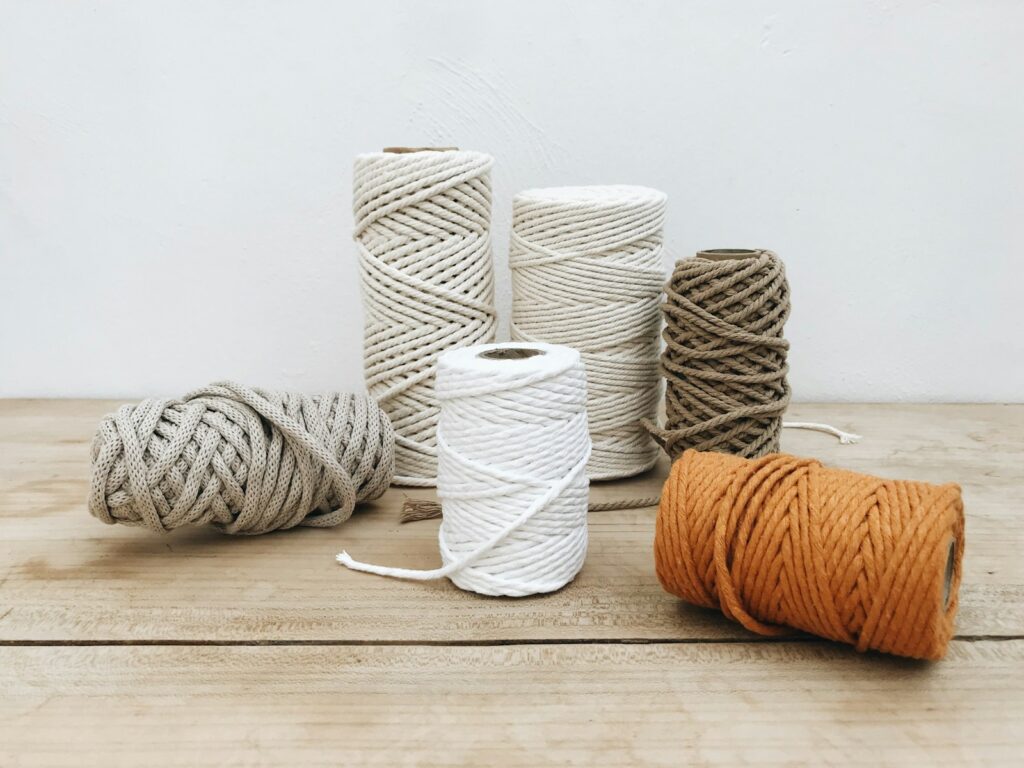
Macramé’s origins can be traced back thousands of years, with evidence of decorative knotting appearing in ancient Babylonian and Assyrian carvings. The term “macramé” derives from the Arabic word “migramah,” meaning “fringe,” and was popularized by 13th-century Arabic weavers who used decorative knots to finish the edges of hand-woven textiles. This versatile craft spread throughout Europe during the Moorish conquest and later became particularly popular among sailors, who created intricate knotted items during long voyages.
By the Victorian era, macramé had become a fashionable pastime, before experiencing its most famous revival during the 1970s bohemian movement when plant hangers became especially iconic. Today’s resurgence honors these historical roots while incorporating contemporary aesthetics and materials.
Essential Materials for Macramé Plant Hangers
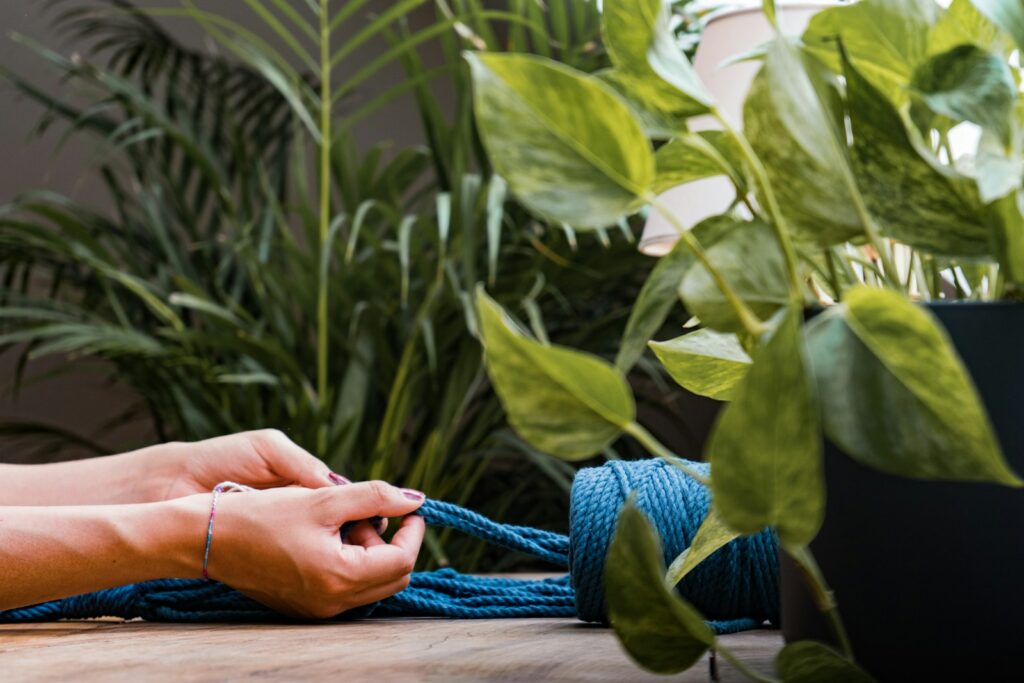
Before beginning your macramé journey, gathering the right materials ensures a smooth crafting experience. The most important component is cord, with cotton rope being the preferred choice for beginners due to its affordability, workability, and natural appearance. Rope thickness typically ranges from 3mm to 5mm for plant hangers, with thicker cords creating more substantial, statement pieces.
You’ll also need sharp scissors for clean cuts, measuring tape for consistent lengths, and a sturdy ring (wooden, metal, or plastic) to form the top of your hanger. Additional helpful tools include masking tape to prevent fraying, a clipboard or hook for securing your work, and wooden beads for decorative accents. For your first project, consider purchasing a simple kit that includes pre-cut cords and basic instructions to build your confidence.
Understanding Basic Macramé Knots
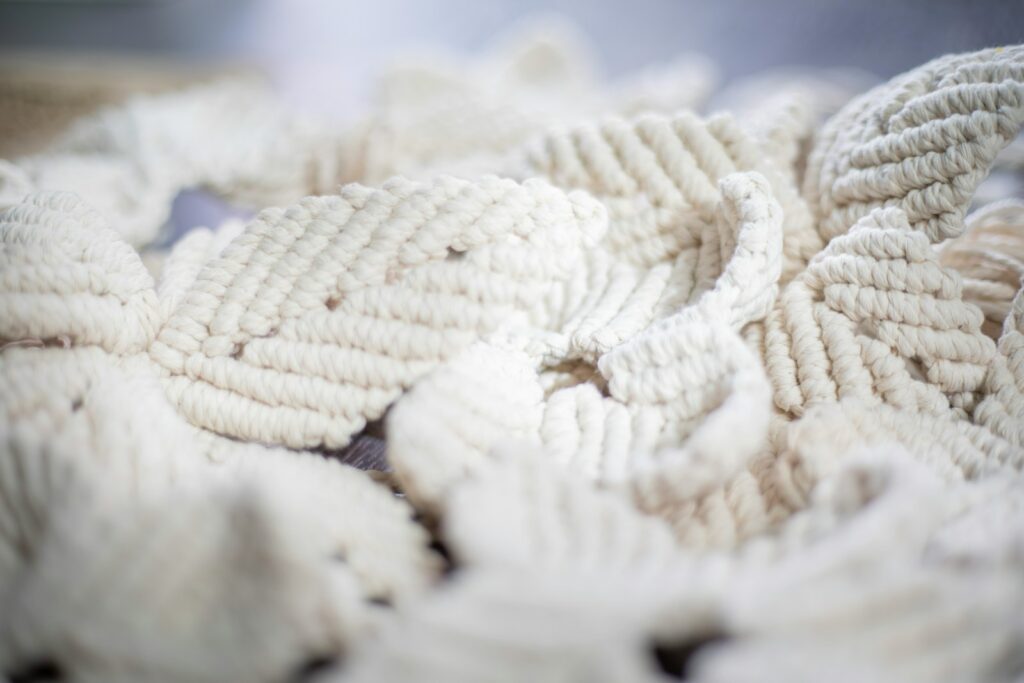
Mastering a few fundamental knots opens up endless design possibilities for your plant hangers. The square knot forms the foundation of most macramé work, created by crossing alternating cords over a central cord pair to create a flat, sturdy pattern. The spiral knot (also called the half-square knot) is essentially a repeated half of the square knot, creating an attractive twisted rope effect that adds visual interest.
Gathering knots cinch multiple cords together at strategic points, creating definition and structure in your design. The larks head knot serves as the starting point for most projects, securing your cords to the ring or hoop. Practicing these basic knots before beginning your plant hanger will build muscle memory and confidence, allowing you to focus on the overall design rather than struggling with technique.
Selecting the Right Cord for Your Project
The type of cord you select significantly impacts both the appearance and functionality of your macramé plant hanger. Natural fibers like cotton, jute, hemp, and sisal offer wonderful texture and an organic aesthetic that complements indoor plants beautifully. Cotton remains the most versatile choice, being soft, strong, and available in countless colors, while jute and hemp provide more rustic appeal but may be slightly rougher on the hands while working. Synthetic cords like nylon and polyester offer superior weather resistance for outdoor hangers but lack the organic charm of natural fibers.
Consider the weight of your plant pot when selecting cord thickness – heavier pots require thicker cord or multiple strands for safety. Color choice presents another creative dimension, with options ranging from natural undyed fibers to vibrant dyed cords, allowing you to coordinate with your existing décor or create striking contrast.
Simple Beginner-Friendly Design
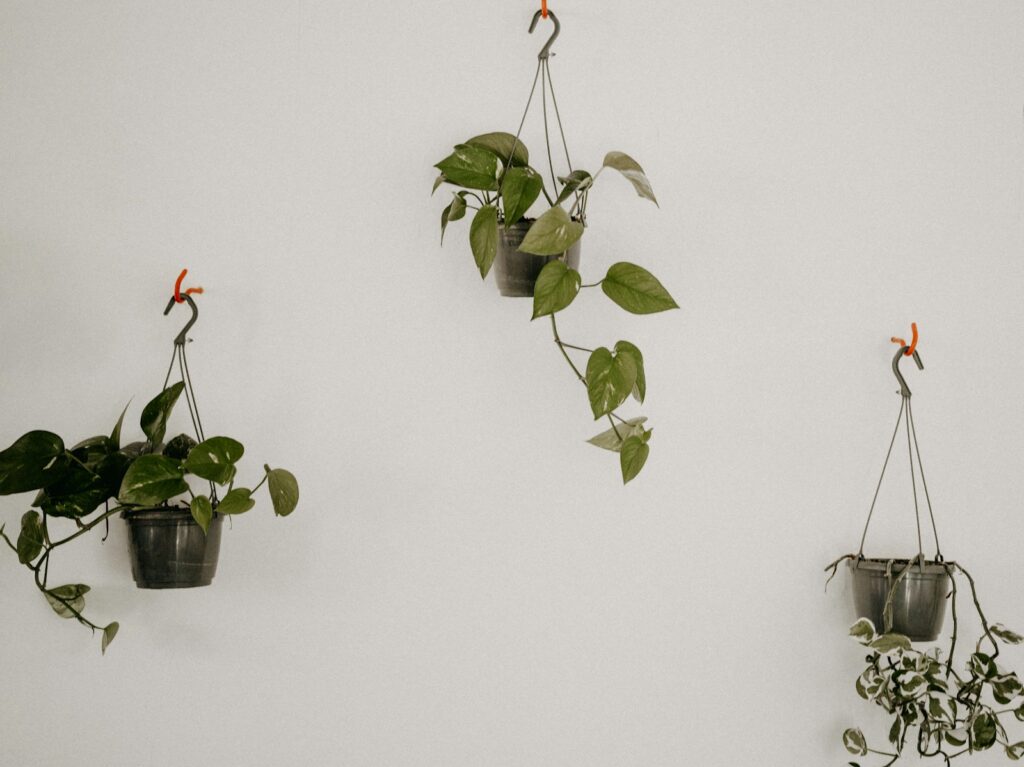
For your first macramé plant hanger, starting with a straightforward design builds confidence while producing a functional and attractive result. Begin with eight strands of 3mm cotton cord, each measuring approximately 8 feet long, folded in half and attached to a 2-inch ring using larks head knots. Create a series of square knots about 6 inches down from the ring, forming a decorative top section. After this decorative element, separate the cords into four groups and create spiral knots down each section to form the “legs” of your hanger.
At about 12 inches from the bottom, gather all cords together with a gathering knot, then create a “basket” by alternating square knots between different cord groups. Finish with a final gathering knot and decorative tassel or fringe at the bottom. This basic structure can be completed in an afternoon yet looks impressively intricate when finished.
Creating a Bohemian-Style Diamond Pattern Hanger

Once you’ve mastered basic knots, a diamond pattern hanger offers a visually striking progression that showcases your growing skills. Start with 12 strands of cord attached to your ring using larks head knots, creating six doubled cords approximately 10 feet long each. Work several rows of alternating square knots, leaving spaces between knot groups to create diamond-shaped negative spaces in your design. The diamonds form naturally as you stagger your knot placement in subsequent rows – knot between gaps from the previous row to create this captivating geometric effect.
Include several diamond rows before transitioning to the leg sections of your hanger, where you can incorporate spiral knots for visual variety. This intermediate design typically takes 3-4 hours to complete but results in a show-stopping hanger that draws compliments and attention to your plants.
Incorporating Beads and Decorative Elements
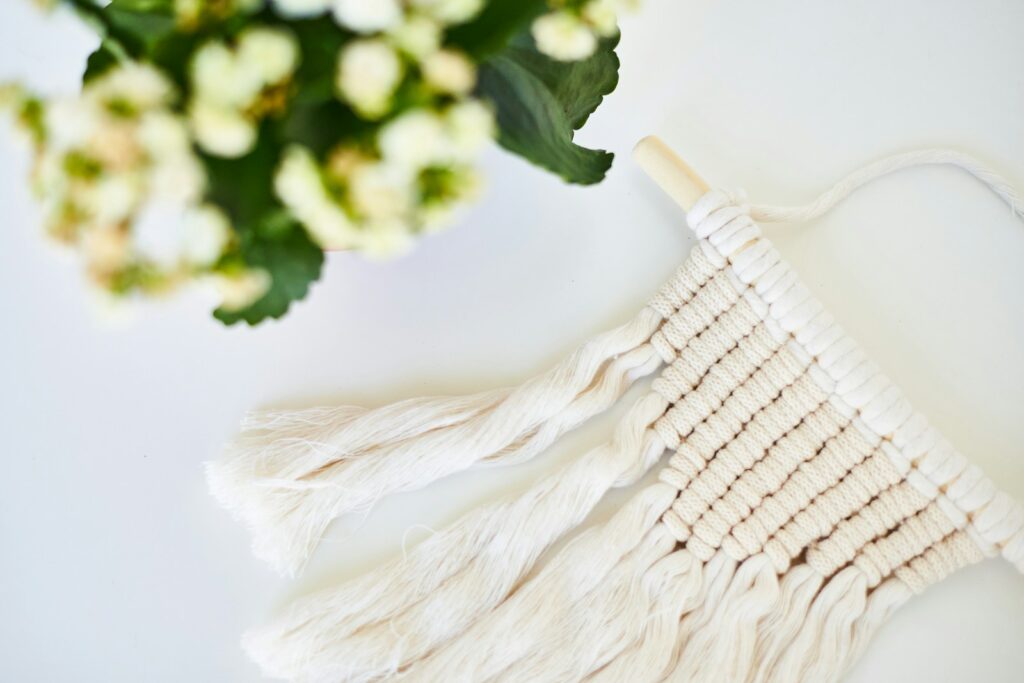
Elevate your macramé plant hangers from simple to spectacular by incorporating decorative elements that reflect your personal style. Wooden beads in various sizes can be threaded onto cords before creating knots, providing both visual interest and structural elements within your design. Natural materials like driftwood, polished stones, or seashells can be woven into your work for an organic, nature-inspired look. Consider adding color through dip-dyeing techniques, where the bottom portion of your completed hanger is submerged in fabric dye to create an ombré effect, or through the use of multicolored cords worked together.
Metal elements like brass rings or copper accents add contemporary sophistication, while tassels and fringe details contribute playful movement and bohemian charm. Remember that decorative elements should complement rather than overwhelm your knotwork, achieving a balanced design that showcases both your plants and your craftsmanship.
Measuring and Sizing Your Hanger Correctly

Creating a properly sized plant hanger ensures both aesthetic appeal and practical functionality for your specific plants. Begin by measuring the circumference and height of the pot you intend to use, adding approximately 2-3 inches to the circumference measurement for a comfortable fit. The overall length of your hanger depends on where you plan to hang it – measure from the hanging point to your desired plant height, considering both plant growth and overhead clearance. Most plant hangers range from 30-48 inches in total length, though ceiling height and plant type may dictate adjustments.
The “basket” portion that holds the pot typically measures about one-third of the total length, with decorative sections and support cords comprising the remainder. Creating a paper template before beginning can help visualize the finished piece and ensure appropriate proportions, preventing the frustration of a hanger that’s either too large or too small for your intended space.
Troubleshooting Common Macramé Challenges
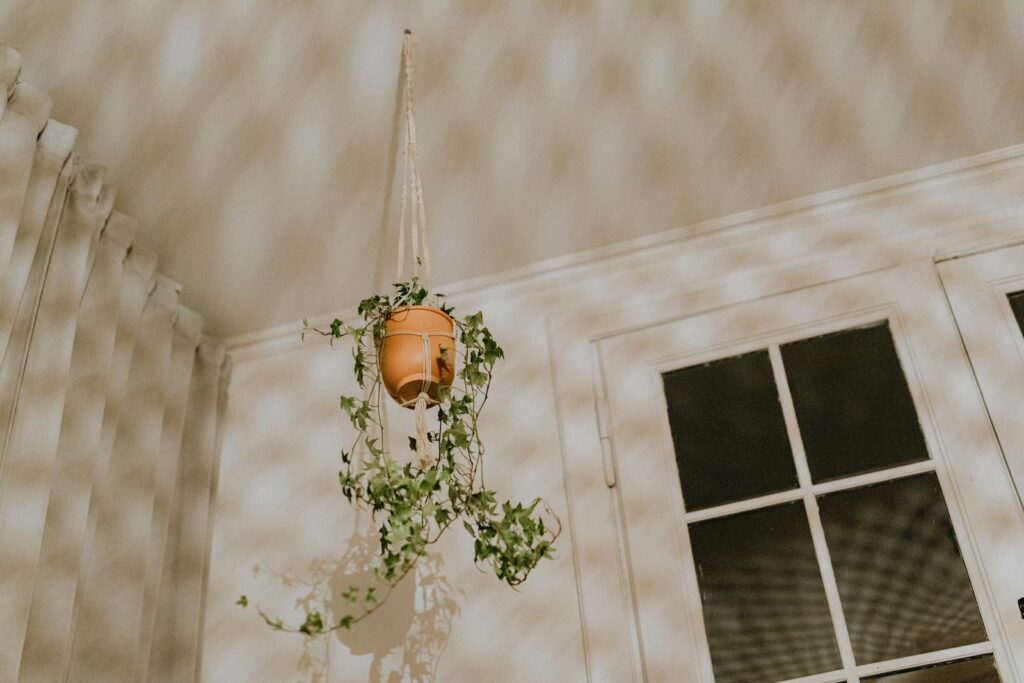
Even experienced crafters encounter occasional difficulties when creating macramé plant hangers, but simple solutions can address most common issues. Uneven tension across knots is perhaps the most frequent problem, resulting in a lopsided or asymmetrical hanger; combat this by periodically measuring your work and consciously maintaining consistent pressure as you tighten each knot. Cord tangling can be minimized by securing unused cords with clothespins or hair clips while working on a specific section.
If you discover a mistake several rows after it occurred, you can often carefully unpick knots using a crochet hook or tapestry needle rather than unraveling the entire project. Fraying cord ends can be prevented by wrapping the cutting point with masking tape before making your cut, then removing the tape afterward. For hangers that stretch over time with the weight of plants, consider using slightly thicker cord or doubling the number of cords in your design for additional support.
Creating Mini Hangers for Small Plants
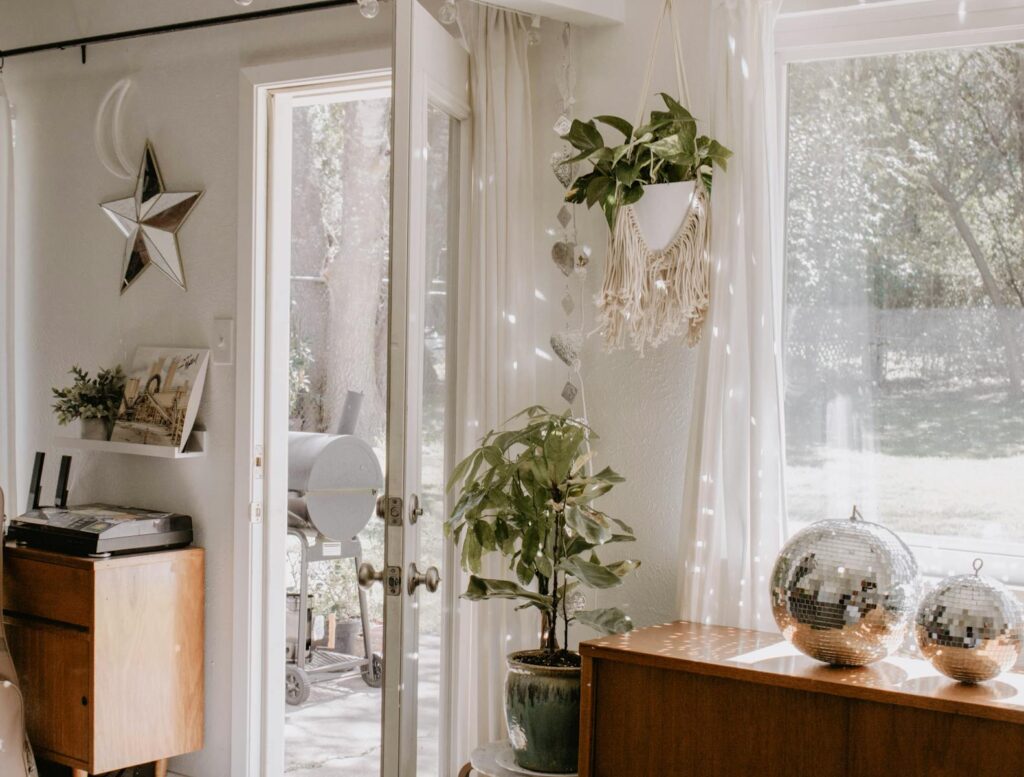
Miniature macramé hangers offer perfect showcases for succulents, air plants, or small potted specimens, adding charm to windows, bathrooms, or office spaces where larger plants might overwhelm. When scaling down your designs, use thinner cord (1-2mm) to maintain proportional aesthetics – standard 3-5mm cord can appear clunky on small hangers. Reduce both the number of cords (4-6 strands often suffice) and the spacing between knots to create delicate, appropriately sized patterns.
Mini hangers typically measure 12-18 inches in total length and accommodate pots 2-4 inches in diameter. These smaller projects not only work up quickly, usually in under an hour, but also provide excellent practice opportunities for testing new knot patterns without significant material investment. Consider creating sets of coordinating mini hangers at different lengths for a cascading display that makes a striking visual statement in any space.
Caring for and Maintaining Your Macramé Creations
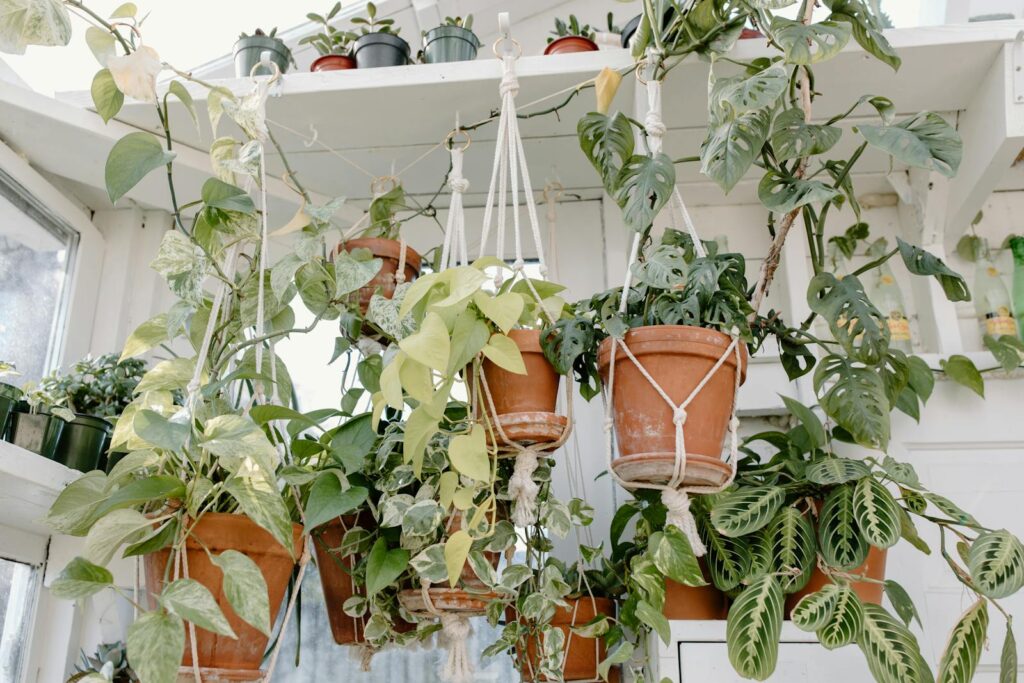
With proper care, your handcrafted macramé plant hangers can remain beautiful for years while safely supporting your growing plants. Regular dusting with a soft brush prevents buildup in the knots and maintains the bright appearance of your cord. For cotton or synthetic hangers that become soiled, spot cleaning with mild soap and cool water usually suffices – avoid harsh chemicals that may damage the fibers. When washing is necessary, remove the plant pot first, then gently hand wash the hanger and allow it to air dry completely before reinstalling the plant.
Periodically check for signs of strain where the hanger supports the pot’s weight, especially with fast-growing plants that become heavier over time. Natural fiber hangers may stretch slightly with use; account for this by initially positioning plants slightly higher than your desired final height. For outdoor hangers, select weather-resistant synthetic cords and check more frequently for UV damage or weakening from moisture exposure.
Showcasing Multiple Plant Hangers Effectively
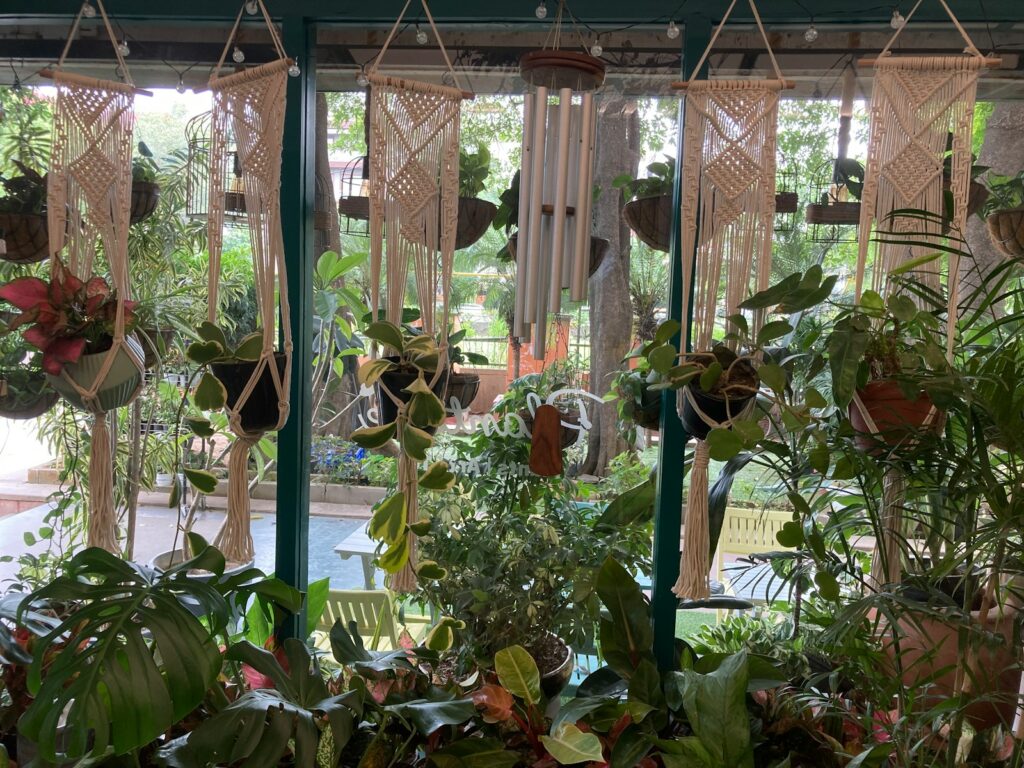
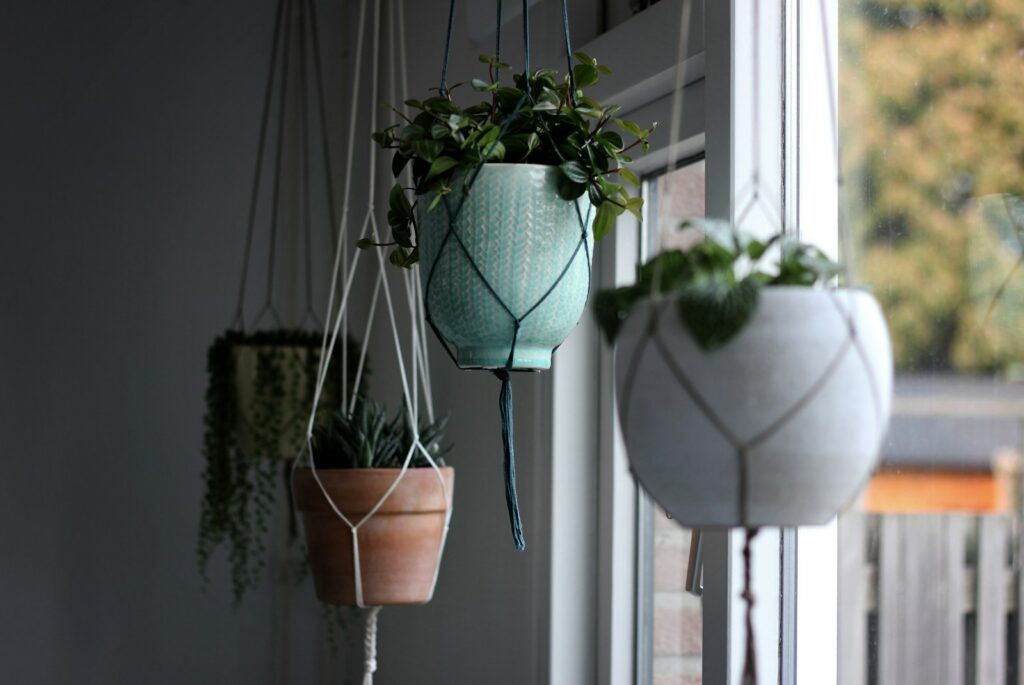
Creating a stunning display with multiple macramé hangers transforms an ordinary room into a lush, textured sanctuary with visual impact far beyond what single plants achieve. When grouping hangers, consider varying the heights to create a dynamic cascading effect, with some plants positioned 12-18 inches apart vertically. Mix different hanger styles while maintaining a cohesive element – perhaps a consistent cord color or repeated knot pattern – to create a collection that feels intentional rather than haphazard.
Plant selection plays a crucial role in successful groupings; combine different foliage types (trailing, upright, spreading) for textural contrast while considering light requirements to ensure all plants thrive in their positions. Installing a dedicated ceiling beam, sturdy curtain rod, or purpose-built plant hanging system provides secure support for multiple hangers while creating a deliberate display area. Remember that grouped plants create microenvironments with increased humidity, often benefiting each other while adding to the lush atmosphere of your space.
Turning Your Hobby into a Small Business

As your macramé skills grow, turning your passion into a side hustle or small business becomes a rewarding option. Start by refining a unique style—through knot patterns, color choices, or materials—that sets your work apart. Be sure to price your creations fairly by considering material costs, your time, and the market value of similar handmade items. Use social media platforms like Instagram to build a following, and explore sales opportunities through Etsy, craft fairs, or local shops.
Teaching macramé workshops can also generate income while allowing you to share your knowledge with others in a more personal way. Whether you keep macramé as a relaxing hobby or pursue it professionally, the beauty of your handcrafted plant hangers—blending artistry with nature—offers a fulfilling escape from the digital world and invites others to enjoy the warmth of handmade decor in their homes.