

Cleaning tools and supplies are essential items in our homes that help us maintain cleanliness and hygiene. However, these tools don’t last forever, and eventually, they need to be replaced. The question then becomes: what do we do with our old cleaning tools? Rather than contributing to landfill waste, recycling and repurposing these items can significantly reduce environmental impact while giving these tools a second life.
This article explores various ways to recycle old cleaning tools, from traditional recycling methods to creative repurposing ideas, helping you make environmentally conscious decisions about items that have served their purpose in your cleaning routine.
Understanding the Environmental Impact of Discarded Cleaning Tools
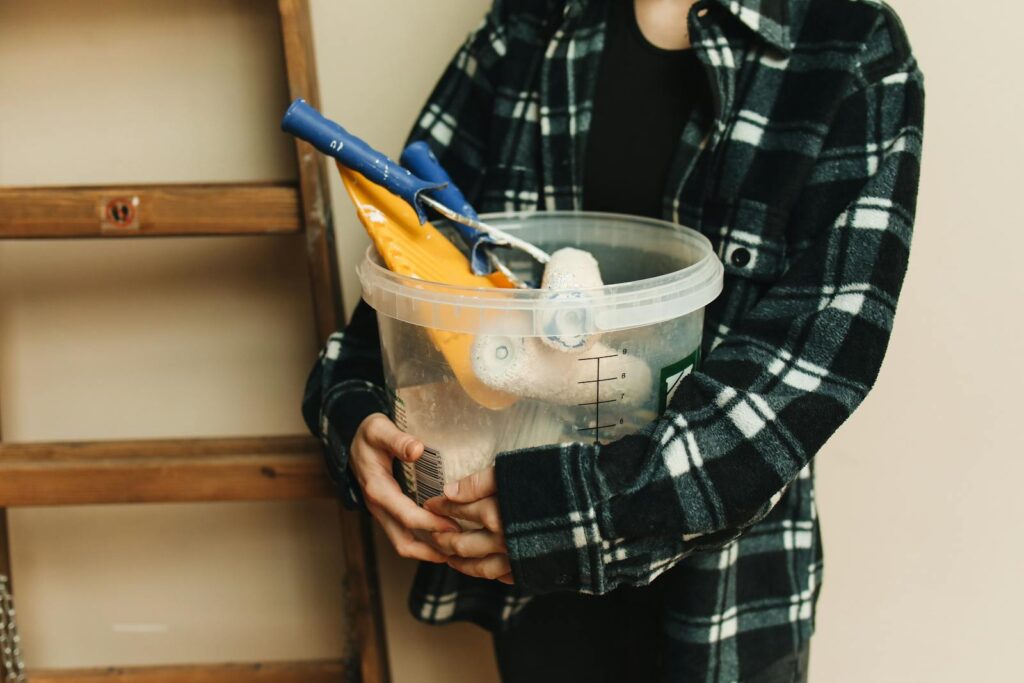
Cleaning tools often contain materials that don’t biodegrade easily, including plastics, metals, and synthetic fibers that can remain in landfills for hundreds of years. When improperly disposed of, these materials can leach harmful chemicals into soil and water systems, contributing to environmental pollution. Many conventional cleaning tools, such as plastic spray bottles and scrubbing brushes with plastic handles, are petroleum-based products that require significant resources to manufacture.
By recycling or repurposing these items, we can reduce the demand for new products and minimize the extraction of raw materials needed for production. Additionally, the proper disposal of cleaning tools prevents potentially toxic substances from contaminating ecosystems and harming wildlife.
Assessing Your Old Cleaning Tools for Recyclability

Before deciding how to dispose of old cleaning tools, carefully examine each item to determine its composition and condition. Metal components like the springs in spray bottles, wire brushes, or parts of mop handles can typically be recycled through standard metal recycling programs. Plastic components require more scrutiny—look for recycling symbols (numbers 1-7 inside a triangle) to identify which plastics are accepted by your local recycling facility.
Textile elements such as cloth rags, mop heads, or dusters may be recyclable through specialized textile recycling programs, though they must be clean and free of chemicals. For electronic cleaning devices like robotic vacuums or steam cleaners, check with manufacturers about take-back programs specifically designed for their products.
Preparing Cleaning Tools for Recycling

Proper preparation is crucial for successful recycling of cleaning tools. Begin by thoroughly cleaning all items to remove any chemical residues, dirt, or debris that could contaminate the recycling stream or pose hazards to recycling workers. For spray bottles and containers that held cleaning products, rinse them multiple times with water to eliminate all traces of chemicals. Disassemble complex tools into their component parts, separating materials like plastic, metal, and textiles to facilitate more efficient recycling.
Remove batteries from electronic cleaning devices and dispose of them through appropriate battery recycling channels. If components contain hazardous materials, such as mercury in certain types of electronic tools, consult your local hazardous waste disposal guidelines for safe handling procedures.
Recycling Plastic Cleaning Tools and Containers
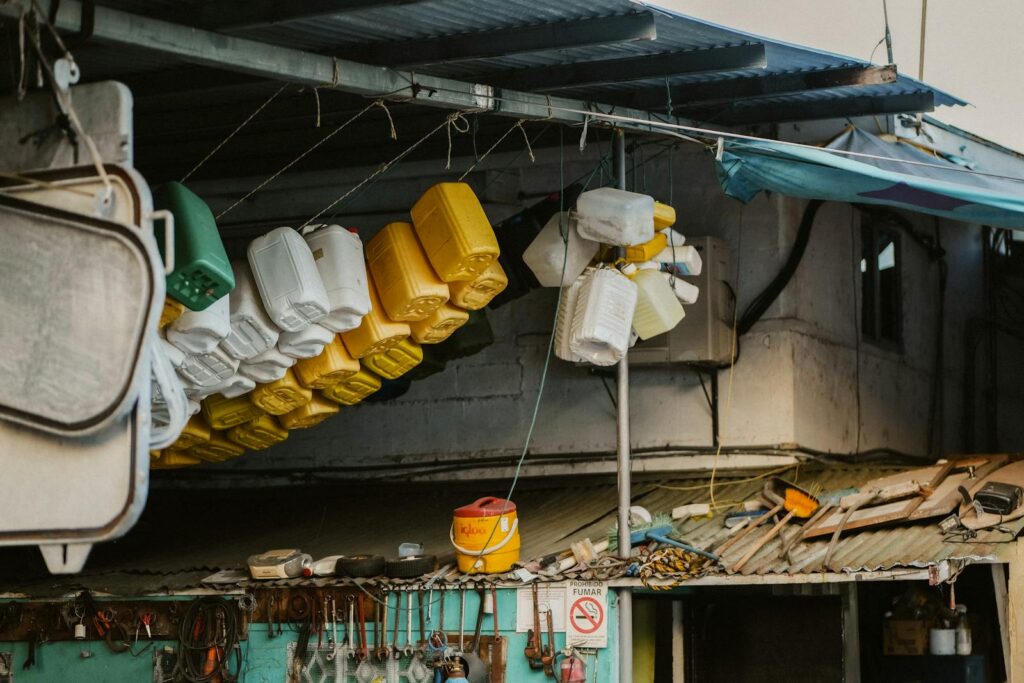
Plastic cleaning tools present unique recycling challenges due to the variety of plastics used in their construction. Spray bottles, scrub brushes, dustpans, and bucket handles are typically made from plastic types 1 (PET), 2 (HDPE), or 5 (PP), which are commonly accepted by municipal recycling programs. Before recycling, remove metal springs, rubber gaskets, and trigger mechanisms from spray bottles, as these may need to be recycled separately.Microfiber cloths and sponges, which contain synthetic materials, typically cannot be recycled through standard programs but may be accepted by specialized textile recycling initiatives.
For challenging items like toilet brushes or heavily contaminated plastic tools, check with specialty recycling companies that handle difficult-to-recycle plastics. Remember that clean, single-material plastic items have the highest likelihood of being successfully recycled.
Properly Disposing of Metal Cleaning Tools

Metal cleaning tools like steel wool pads, wire brushes, and metal components of mops and brooms are highly valuable in the recycling stream due to metal’s infinite recyclability. To recycle these items, ensure they are free from non-metal attachments such as plastic handles or rubber grips whenever possible. Small metal parts like springs from spray bottles can be collected in a larger metal container until you have enough to justify a trip to the recycling center.For stainless steel cleaning tools, which are particularly valuable, consider contacting scrap metal dealers who may offer compensation based on weight. Metal buckets and pails are excellent candidates for recycling, though they should be thoroughly cleaned of any residual cleaning products or paint.
When recycling metal cleaning tools with mixed materials, try to separate the metal components to ensure they enter the correct recycling stream.
What to Do with Old Brooms and Mops

Brooms and mops typically consist of multiple materials that require different recycling approaches. For wooden handles, consider composting if the wood is untreated, or repurposing for garden stakes or craft projects if the wood is in good condition. Plastic handles can often be recycled through standard municipal programs, though check for recycling codes to confirm acceptance. The bristle or mop head portion presents more challenges—natural fiber broom bristles may be compostable, while synthetic bristles and mop heads usually aren’t recyclable through conventional means.
Some manufacturers like Libman and O-Cedar offer take-back programs specifically for their cleaning tools, allowing you to mail back used products for proper recycling. For mop heads with significant textile content, explore textile recycling programs or consider repurposing them as cleaning rags for dirty jobs like car maintenance or painting.
Recycling Options for Electronic Cleaning Devices
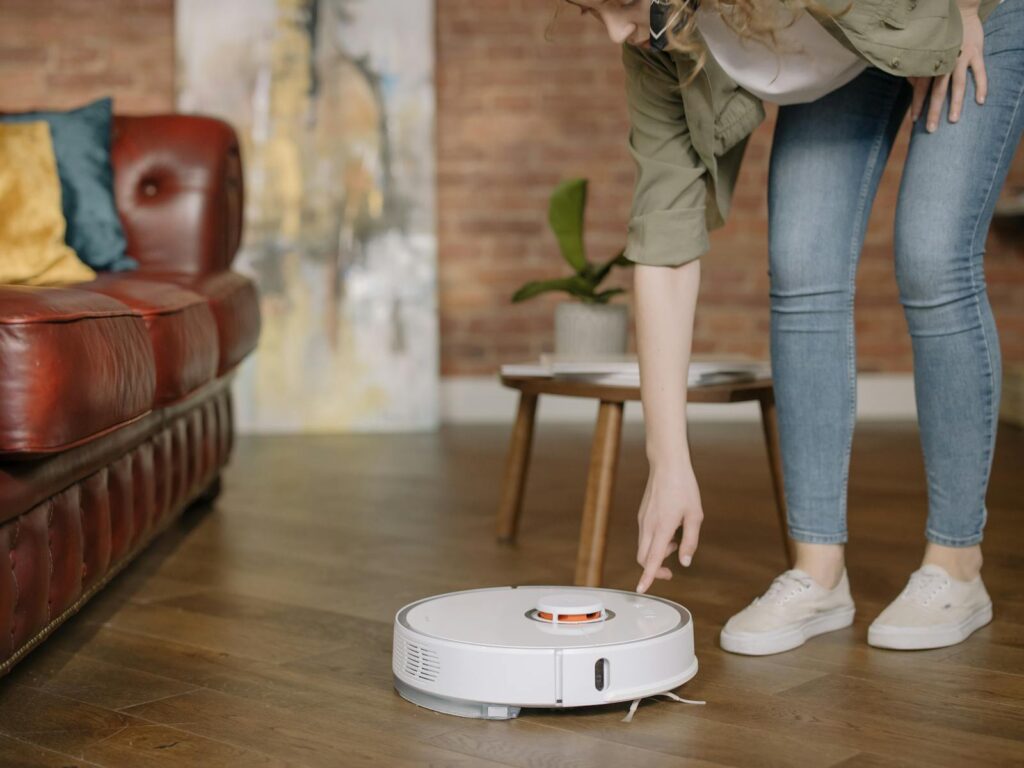
Electronic cleaning tools like vacuum cleaners, steam mops, and robotic cleaning devices contain valuable materials including metals, plastics, and electronic components that should never end up in landfills. Many manufacturers offer product stewardship programs where they accept their own products back for recycling at the end of their useful life. Electronics recycling events, often organized by municipalities or retailers like Best Buy, provide convenient drop-off options for larger electronic cleaning devices.
For smaller electronic cleaning tools, services like Call2Recycle can help locate appropriate recycling facilities in your area. Before recycling any electronic cleaning device, remove batteries, which should be recycled separately through specialized battery recycling programs, and clear any personal data if the device connects to smart home systems or smartphone applications.
Creative Ways to Repurpose Old Cleaning Tools
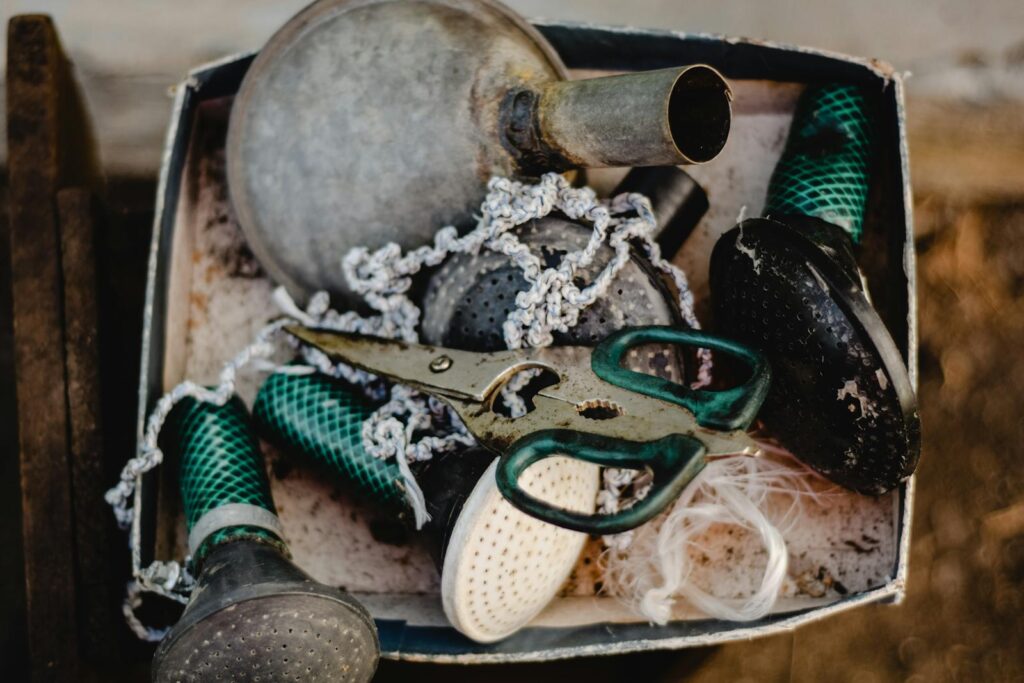
Repurposing extends the life of cleaning tools while reducing waste and saving money. Old toothbrushes make excellent detail cleaning tools for jewelry, grout lines, or computer keyboards due to their small size and precise bristle arrangement. Spray bottles can be thoroughly cleaned and reused for homemade cleaning solutions, plant misters, or craft projects requiring fine mist application. Worn-out broom heads can be transformed into scrubbing brushes for outdoor use or repurposed as doorway mud scrapers when mounted to a wooden base.
Buckets with minor cracks or damage remain useful as garden planters, storage containers for toys, or even as compost collection bins in the kitchen. With some creativity, mop handles can become curtain rods, garden tool extenders, or supports for climbing plants in your garden.
Donating Usable Cleaning Tools
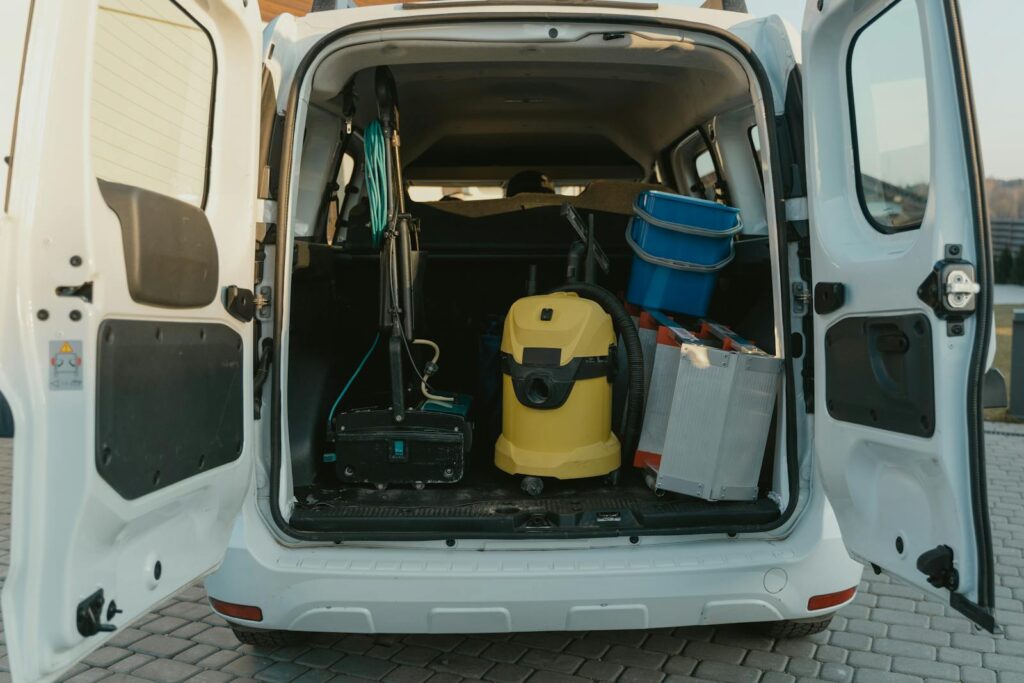
Cleaning tools that are still in good working condition but no longer needed can find new homes through donation. Community centers, homeless shelters, and disaster relief organizations often welcome donations of cleaning supplies to assist those in need with maintaining clean living environments. Animal shelters can make use of old towels, brushes, and spray bottles for animal care and facility maintenance. Schools and daycare centers might accept certain cleaning tools for art projects, classroom cleaning, or even for science experiments demonstrating principles of physics or engineering.
Before donating, thoroughly clean and sanitize all items, and check with the receiving organization about their specific needs and acceptance policies. Remember that donations should be in reasonably good condition—items that are broken or heavily worn are better candidates for recycling than donation.
Using Manufacturer Take-Back Programs

An increasing number of cleaning tool manufacturers now offer take-back programs as part of their sustainability initiatives. Companies like Method, Swiffer, and Terracycle have established partnerships that allow consumers to return used cleaning tools and packaging for proper recycling or repurposing. These programs typically provide prepaid shipping labels or drop-off locations, making it convenient to participate regardless of local recycling infrastructure.
Manufacturer take-back programs are particularly valuable for difficult-to-recycle items like mixed-material cleaning tools, electronic components, or specialized cleaning equipment that municipal programs might not accept. Some programs even offer incentives such as discounts on future purchases or points in loyalty programs to encourage participation. Check the websites of your preferred cleaning tool brands or contact their customer service departments to inquire about available take-back options.
Recycling Challenges with Mixed-Material Cleaning Tools
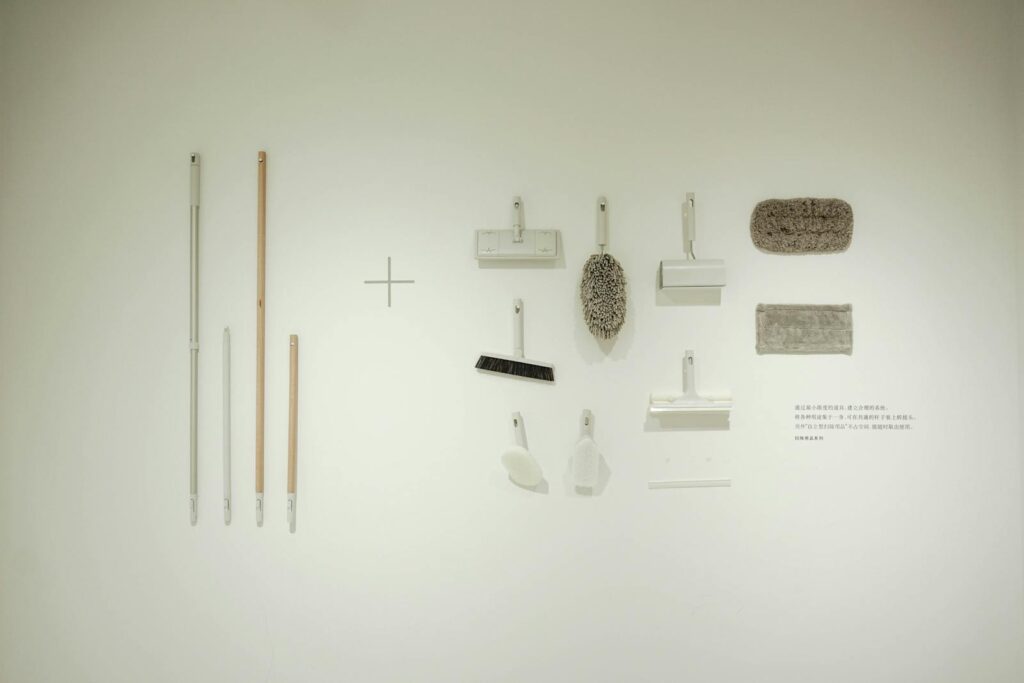
Many modern cleaning tools combine multiple materials in ways that complicate recycling efforts. For example, microfiber mops might contain plastic handles, metal connecting mechanisms, and synthetic textile heads that cannot be processed together. When faced with such complex items, disassembly becomes essential—separate metal components from plastic parts and textile elements for individual recycling. Some specialized recycling facilities, like TerraCycle, accept difficult-to-recycle cleaning tools through their “Zero Waste Box” program, though these services typically involve a fee.
For truly inseparable mixed-material items, check whether the manufacturer offers a take-back program specifically designed to handle their products’ complexity. When purchasing new cleaning tools, consider their end-of-life recyclability by preferring single-material construction or designs that can be easily disassembled when they eventually need replacement.
Sustainable Alternatives for Future Purchases
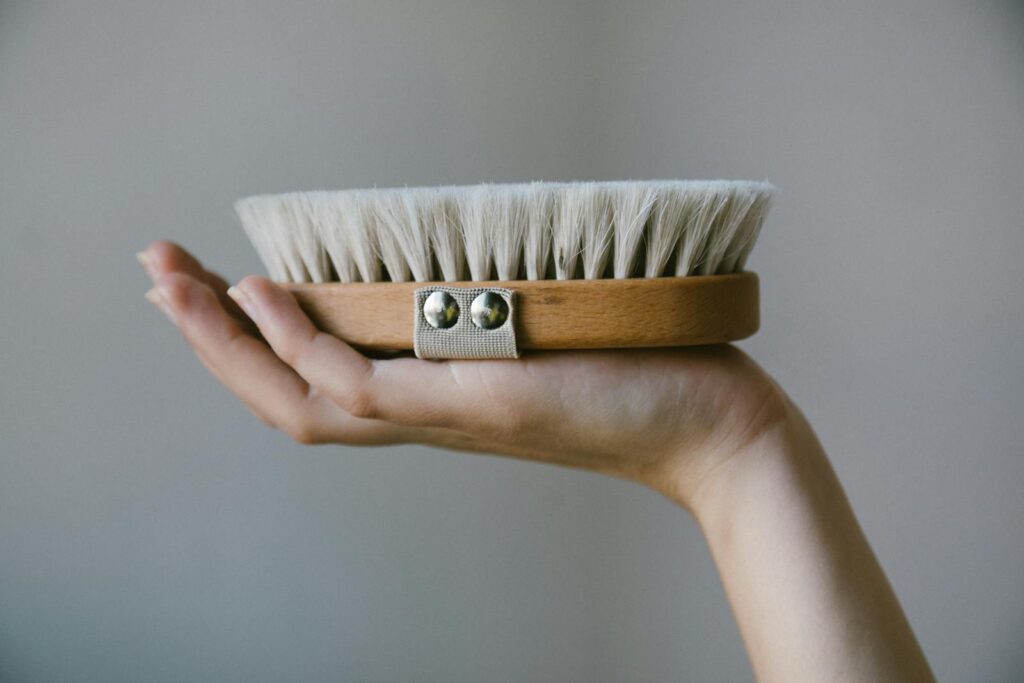
As you replace your old cleaning tools, consider more sustainable alternatives that will be easier to recycle or compost at the end of their useful life. Natural-fiber cleaning tools like wooden scrub brushes with plant-based bristles, coconut coir scrubbers, and cotton mop heads offer biodegradable alternatives to synthetic options. Durable, high-quality tools made from stainless steel or solid wood may cost more initially but typically last much longer than plastic alternatives, reducing the frequency of disposal.
Reusable and washable cleaning cloths and mop pads eliminate the waste associated with disposable versions while performing equally well or better. For cleaning solution containers, look for concentrated products that reduce packaging waste or companies offering refill options that allow you to reuse the same spray bottle multiple times. By making mindful purchasing decisions today, you’ll simplify your recycling efforts in the future.
Building a Recycling Routine for Cleaning Supplies

Establishing a systematic approach to recycling cleaning tools helps ensure consistent environmental responsibility. Create a designated collection area in your home for gathering cleaning tools that have reached the end of their useful life, perhaps in a garage or utility room. Set a regular schedule—perhaps quarterly—to assess your cleaning tools, determine which need replacement, and process outgoing items appropriately through recycling, donation, or repurposing.Maintain a reference guide with information about local recycling facilities, manufacturer take-back programs, and creative repurposing ideas specific to different types of cleaning tools. Consider partnering with neighbors or community groups to consolidate difficult-to-recycle items, potentially sharing shipping costs for manufacturer take-back programs or specialized recycling services.
By making recycling a routine part of your cleaning tool management, you’ll prevent the accumulation of unusable items and ensure each tool is handled responsibly at its end of life.
Conclusion
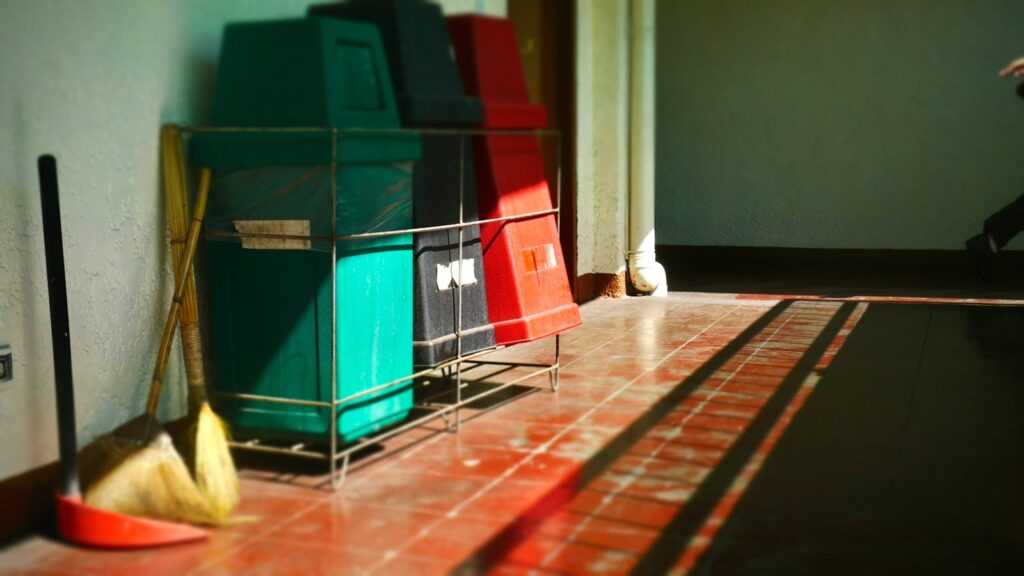
Recycling old cleaning tools represents an important step toward reducing household waste and environmental impact. By understanding the materials in our cleaning tools and the various recycling options available—from municipal programs to manufacturer take-back initiatives—we can make informed decisions about disposal. Creative repurposing extends the usefulness of these items, while mindful purchasing of sustainable alternatives simplifies future recycling efforts. Remember that proper cleaning and disassembly of tools before recycling ensures the highest likelihood of successful processing.
Through these combined approaches, we can significantly reduce the environmental footprint of our cleaning routines while contributing to a more circular economy where materials are continuously reused rather than discarded.