

Creating a butterfly garden is a rewarding way to connect with nature while providing essential habitat for these beautiful pollinators. By using a raised bed, you can create an ideal butterfly environment even in small spaces or areas with poor soil quality. This approach combines the practical benefits of contained gardening with the ecological advantages of supporting butterfly populations.
A well-designed butterfly garden not only brings vibrant colors and movement to your outdoor space but also plays a crucial role in conservation efforts as many butterfly species face habitat loss and environmental challenges.
Why Create a Butterfly Garden?
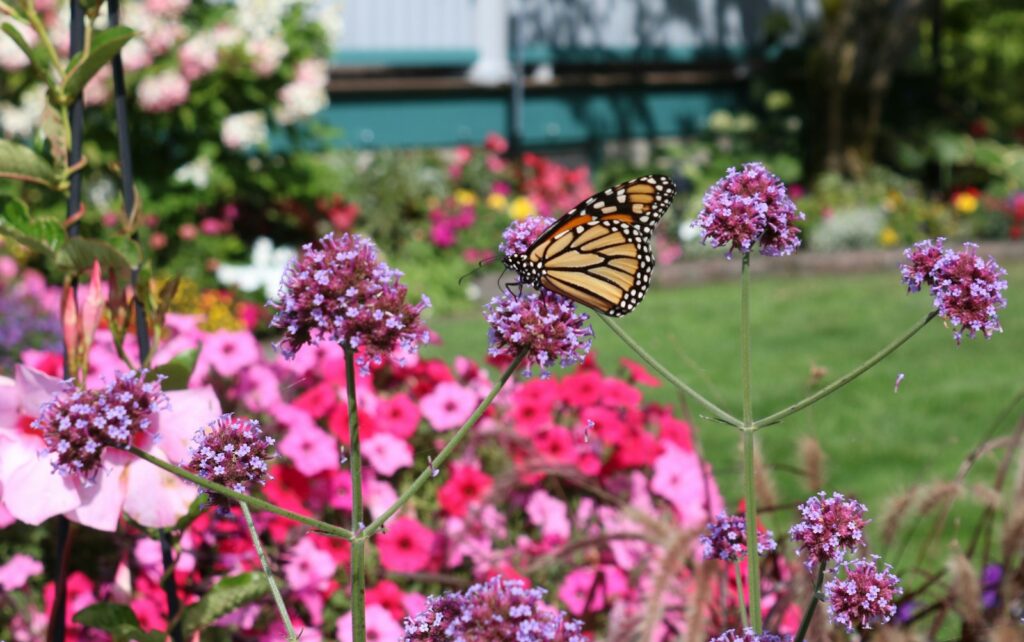
Butterfly populations have declined dramatically in recent decades due to habitat loss, pesticide use, and climate change. By creating a dedicated garden space, you provide these creatures with food, shelter, and breeding grounds they desperately need. Beyond conservation, butterfly gardens offer educational opportunities for children and adults alike to observe metamorphosis and pollination in action.
The presence of butterflies also indicates a healthy ecosystem, as they serve as indicators of environmental quality. Additionally, the plants that attract butterflies often draw in other beneficial pollinators like bees and hummingbirds, creating a vibrant micro-ecosystem in your yard.
Benefits of Using a Raised Bed
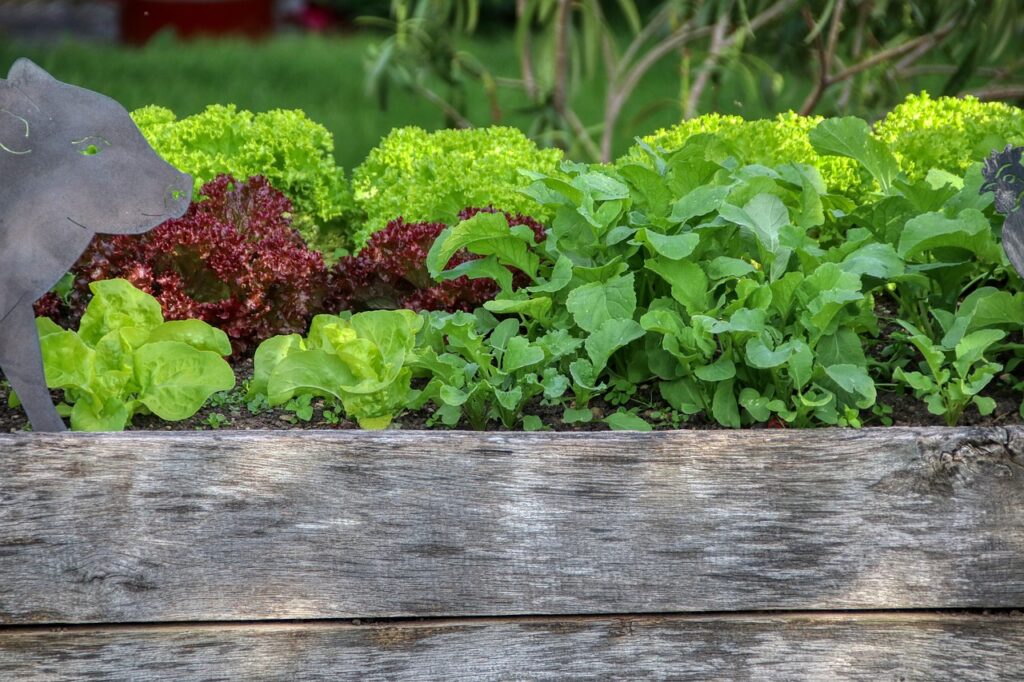
Raised beds offer several distinct advantages for butterfly gardens compared to traditional in-ground planting. First, they provide excellent drainage, preventing root rot and creating healthier growing conditions for many butterfly-friendly plants. The elevated design makes maintenance easier on your back and knees, which is particularly beneficial when monitoring caterpillars or tending to delicate plants.
Raised beds also warm up faster in spring, extending your growing season and allowing you to provide nectar sources earlier in the year when butterflies emerge. Finally, the contained nature of raised beds helps prevent aggressive butterfly plants like milkweed from spreading uncontrollably throughout your yard.
Selecting the Ideal Location
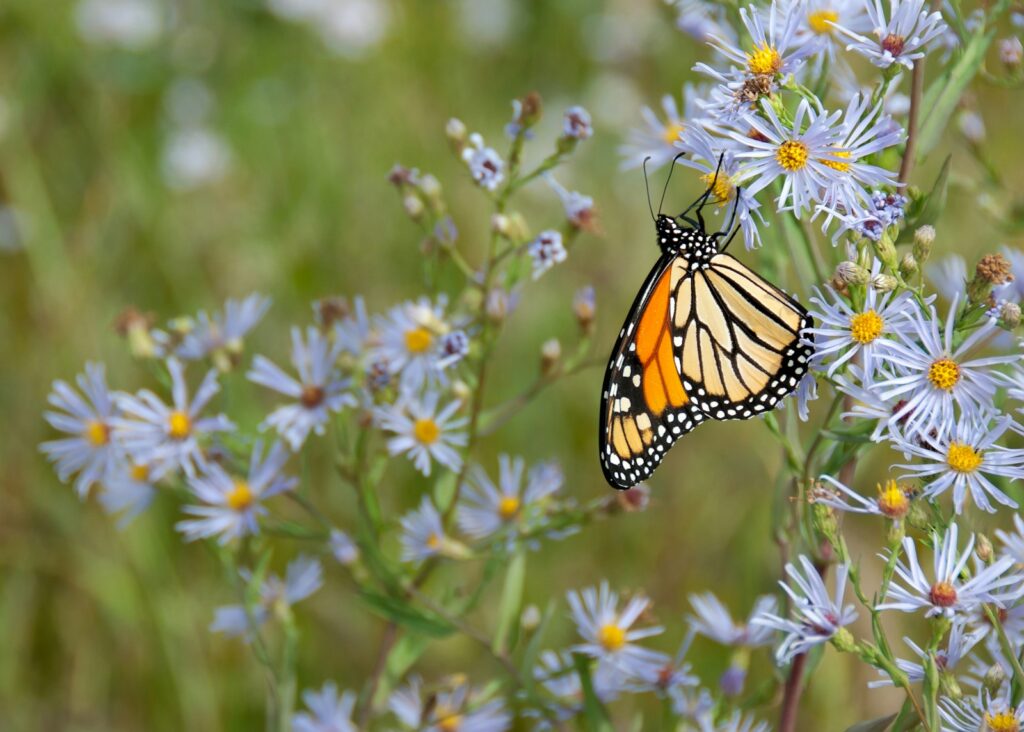
Butterflies thrive in sunny locations, so position your raised bed where it will receive at least six hours of direct sunlight daily. Wind protection is equally important since butterflies struggle to fly in strong breezes; consider placing your bed near a fence, building, or shrubs that can serve as windbreaks.
Accessibility is another key factor—position your butterfly garden where you can easily observe these fascinating insects from a window or patio. The location should also have access to water for maintenance purposes. Avoid areas near dryer vents, air conditioners, or places where pesticides might drift from neighboring properties.
Materials Needed for Construction
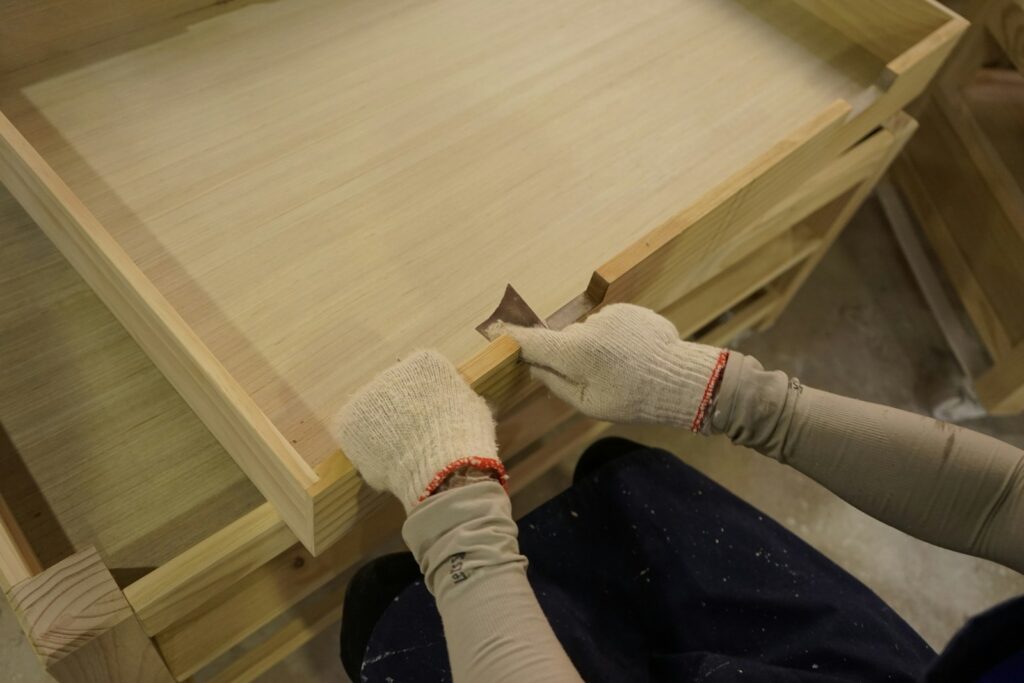
Building a butterfly-friendly raised bed requires thoughtful material selection to ensure both durability and safety for your winged visitors. Untreated cedar or redwood are excellent choices as they naturally resist rot while remaining free of harmful chemicals that might affect butterflies or caterpillars.
You’ll need lumber for the frame (typically 2×10 or 2×12 boards), galvanized screws or hardware for assembly, and landscape fabric to line the bottom if desired. Additional materials include quality soil, compost, and potentially hardware cloth for the bottom if burrowing animals are a concern in your area. Tools required include a saw, drill, measuring tape, level, and safety equipment like gloves and eye protection.
Dimensions and Design Considerations
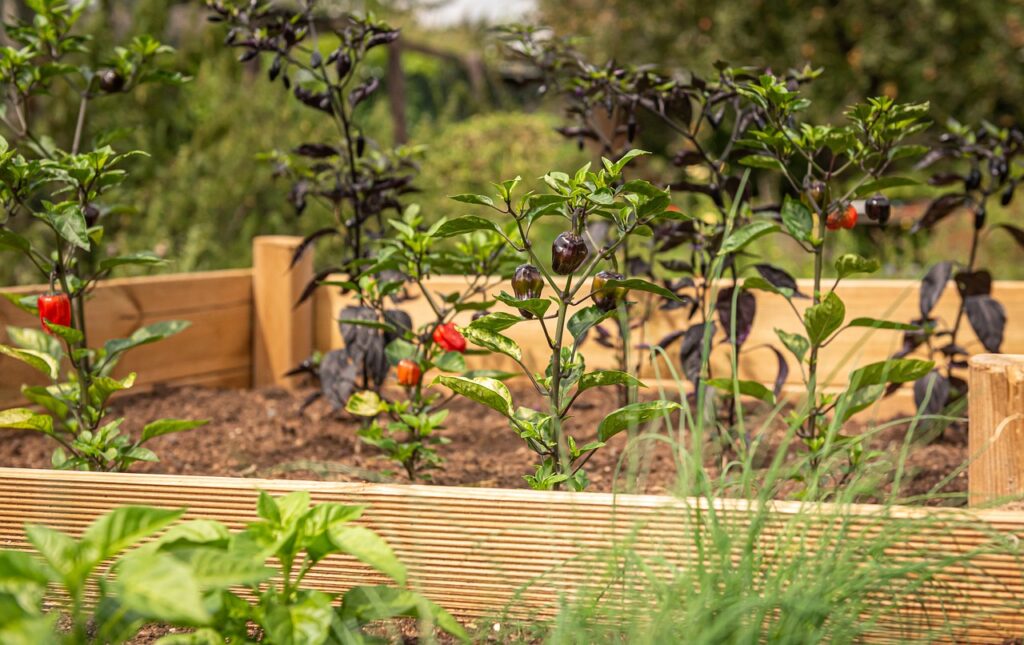
The ideal dimensions for a butterfly garden raised bed balance accessibility with adequate planting space. A width of 3-4 feet allows you to reach the center from either side without stepping into the bed, which could damage plants or caterpillars. Length can vary based on your available space, but 6-8 feet provides enough room for a diverse plant selection. Height should be at least 12 inches to accommodate deep root systems, though 18-24 inches is even better for root development and easier maintenance.
Consider incorporating seating along one edge to create a comfortable observation point, or designing multiple connected beds of different heights to create visual interest and varied planting zones.
Step-by-Step Construction Guide
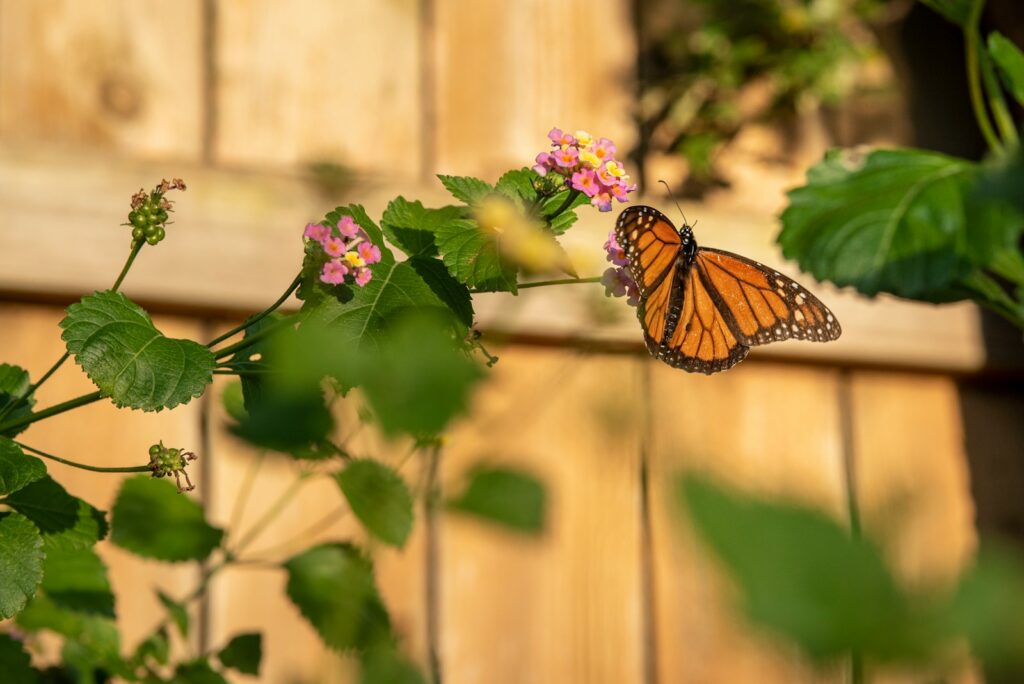
Begin construction by measuring and cutting your lumber to the desired dimensions for your raised bed frame. Assemble the frame by securing the corners with galvanized screws, which resist rusting better than standard screws. If your bed is longer than 4 feet, add support braces across the middle to prevent the sides from bowing outward under soil pressure. Line the bottom with landscape fabric if you’re concerned about weeds, leaving several small drainage holes.
Position the completed frame in your chosen location, checking that it’s level and making adjustments as needed. Finally, if building multiple beds, ensure you leave adequate pathways between them—at least 24 inches wide—to allow for comfortable maintenance access and enjoyment of your butterfly visitors.
Creating the Optimal Soil Mix
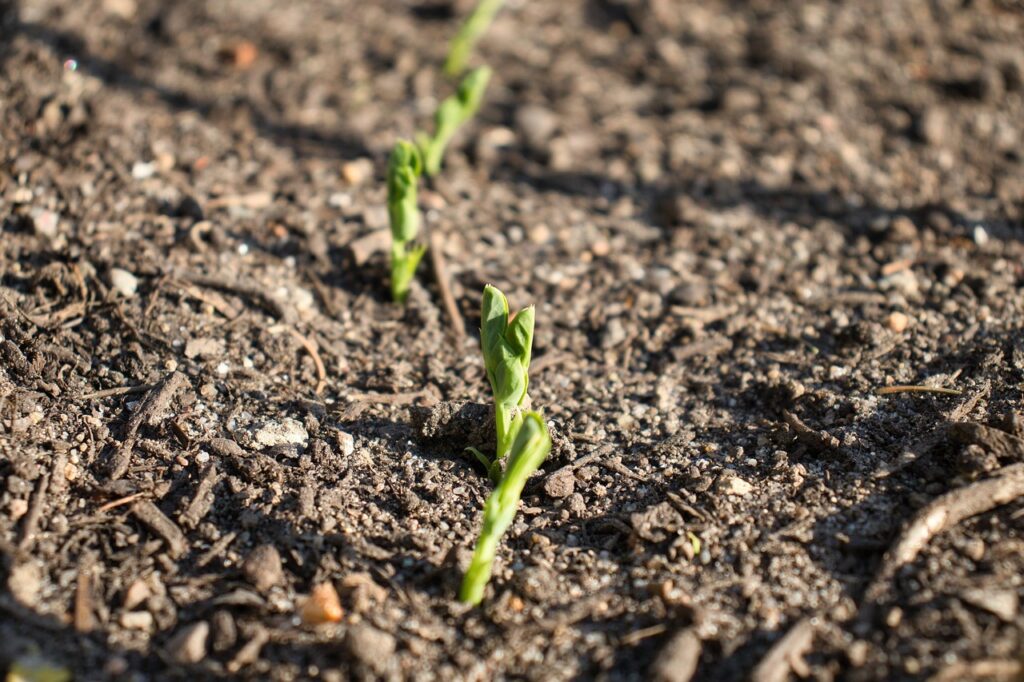
Butterflies and their host plants thrive in well-draining, nutrient-rich soil that balances moisture retention with aeration. Create an ideal growing medium by combining equal parts topsoil, compost, and either perlite or coarse sand to improve drainage. Avoid commercial potting mixes containing synthetic fertilizers or pest control chemicals, which could harm caterpillars or affect plant development.
Incorporate a slow-release, organic fertilizer specifically formulated for flowering plants to encourage abundant blooms that will provide nectar. The pH level of your soil should be slightly acidic to neutral (6.0-7.0) for most butterfly-attracting plants, though you can adjust sections of your bed for specific plant requirements. After filling your raised bed, water the soil thoroughly and allow it to settle before planting.
Essential Nectar Plants for Adult Butterflies
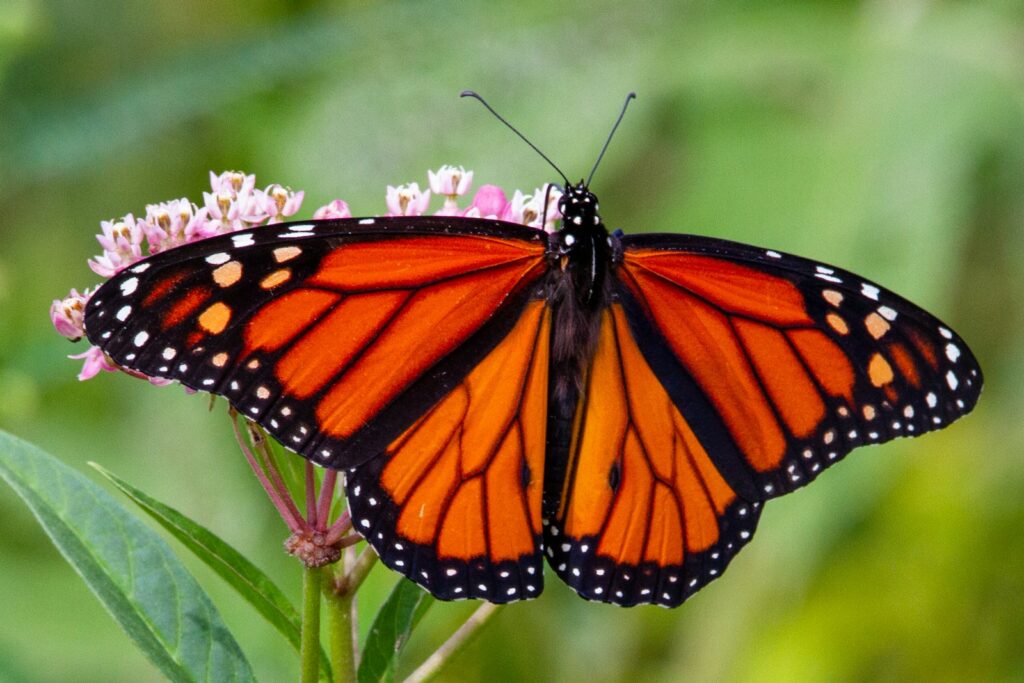
Adult butterflies require energy-rich nectar sources throughout their active season, making flowering plants the cornerstone of any butterfly garden. Purple coneflower (Echinacea purpurea) serves as a premier nectar source with its long blooming period and sturdy landing platform for butterflies. Butterfly bush (Buddleja davidii) lives up to its name by producing abundant, sweet-smelling flower clusters that attract numerous butterfly species, though plant non-invasive varieties where available.
Black-eyed Susan (Rudbeckia hirta) offers late summer nectar when many other plants have finished blooming. Include herbs like lavender, oregano, and mint, which provide nectar while also serving culinary purposes. For continuous butterfly activity, incorporate plants with staggered blooming periods so nectar is available from early spring through late fall.
Host Plants for Butterfly Reproduction
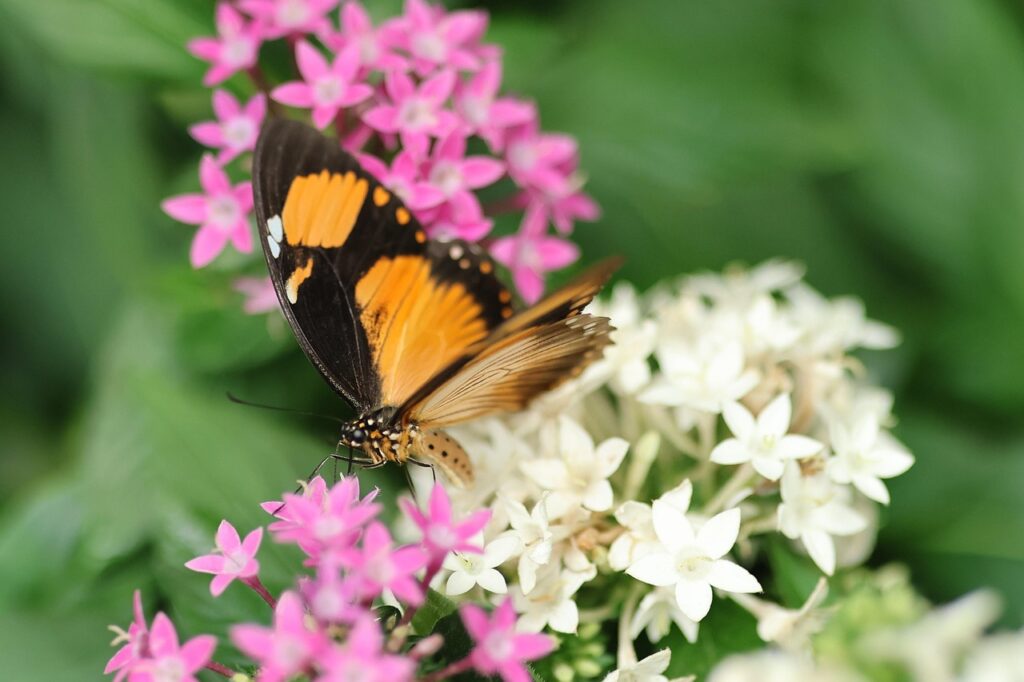
While nectar plants feed adult butterflies, host plants are essential for reproduction as they provide food for caterpillars. Milkweed (Asclepias species) is the only host plant for monarch butterflies and comes in varieties suitable for different growing conditions. Parsley, dill, and fennel attract black swallowtail butterflies, which lay eggs on these aromatic herbs. Passion flower vines (Passiflora) serve as host plants for gulf fritillary and zebra longwing butterflies, adding vertical interest to your raised bed with their exotic blooms.
Native violets support fritillary butterfly species and can be tucked beneath taller plants as ground cover. When planning your garden, allocate at least 25% of your planting space to host plants, positioning them where caterpillar feeding damage won’t detract from the garden’s appearance.
Arranging Plants for Maximum Appeal
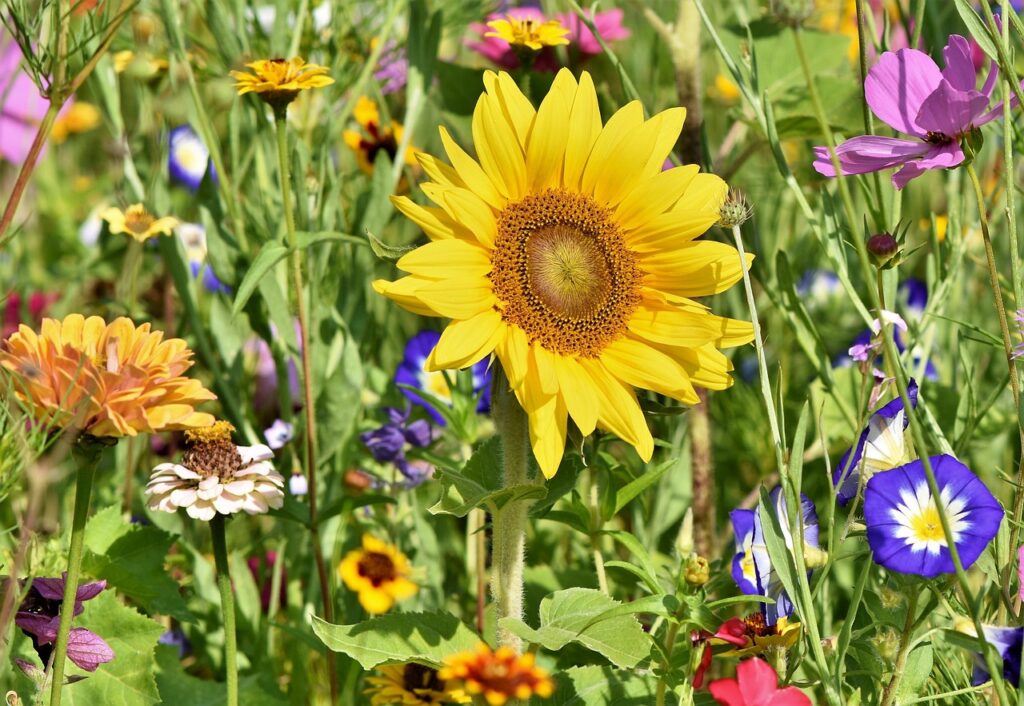
Strategic plant arrangement enhances both the aesthetic appeal of your butterfly garden and its functionality for winged visitors. Position taller plants like Joe Pye weed or butterfly bush toward the back (north side) of the raised bed to prevent them from shading shorter species. Create clustered plantings of the same flower type rather than individual specimens, as masses of color are more visible to butterflies and provide more efficient feeding stations.
Incorporate plants of varying heights, colors, and bloom times to create visual interest and extend the garden’s seasonal appeal. Leave some open areas with flat stones that can serve as basking spots where butterflies can warm themselves in the morning sun. Remember to consider each plant’s mature size when planning your layout to avoid overcrowding as the garden develops.
Water Features and Butterfly Puddling Stations
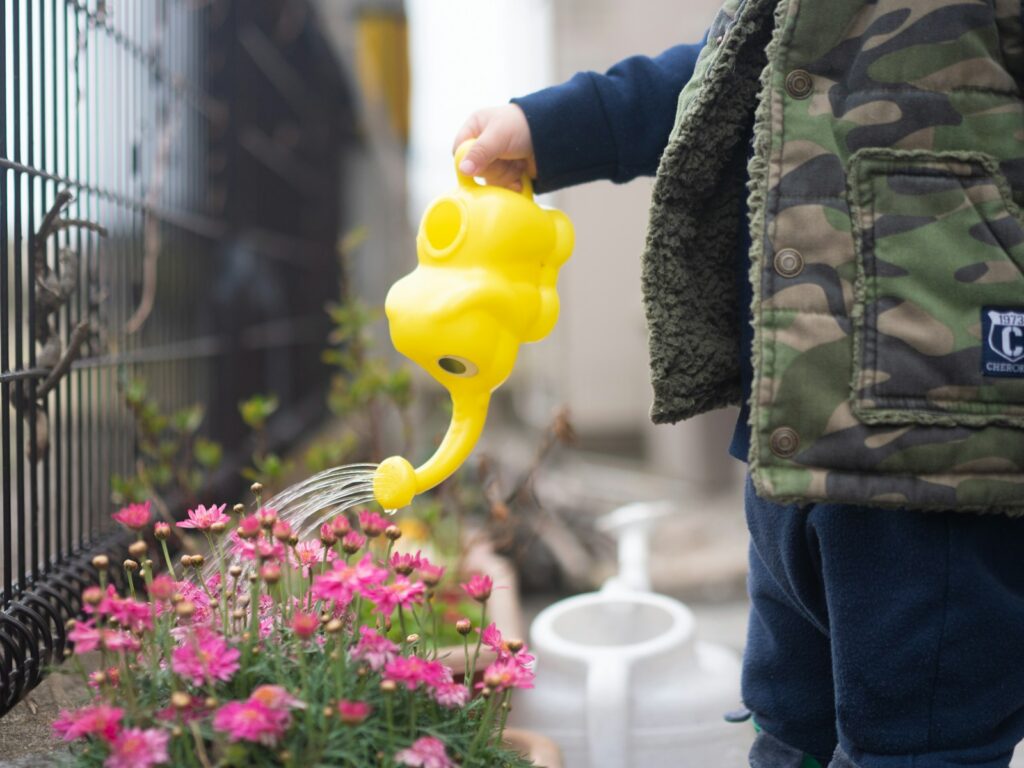
Butterflies need water, but not in the form of deep pools or birdbaths where they risk drowning. Instead, create “puddling stations” where butterflies can safely extract moisture and essential minerals. A simple puddling station can be made by burying a shallow dish or saucer to its rim, filling it with sand or soil, and adding some salt-rich materials like sea salt or decomposing fruit.
Keep this area consistently damp but not flooded for optimal butterfly use. Some butterfly species, particularly males, gather around puddling stations to obtain salts and minerals necessary for reproduction. Position your puddling station in a sunny, sheltered spot within or adjacent to your raised bed where you can easily observe this fascinating behavior.
Maintenance and Seasonal Care
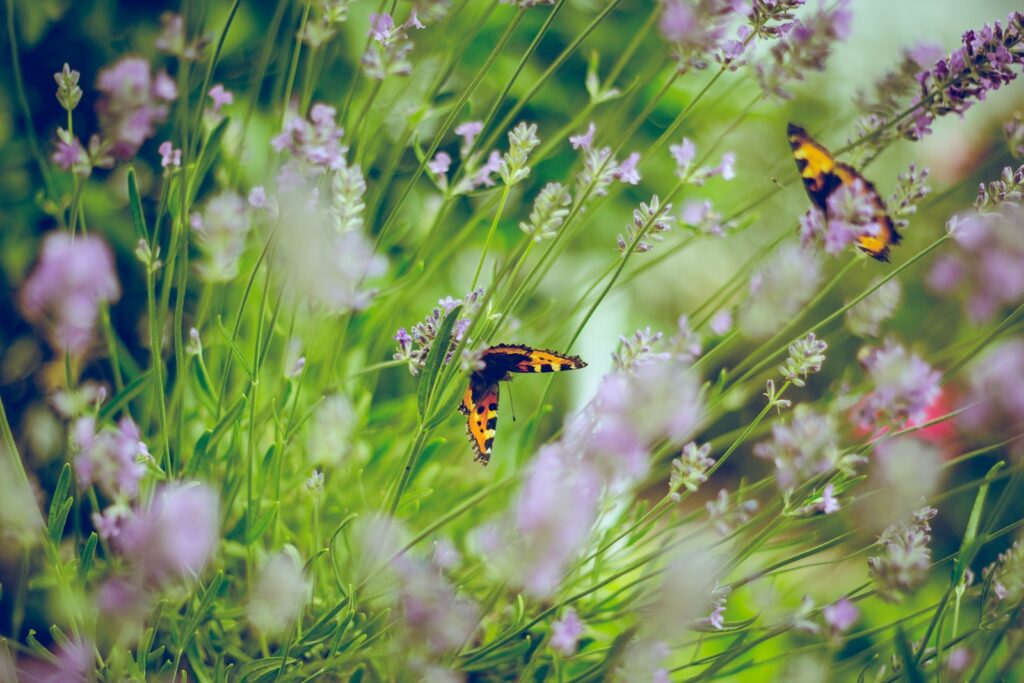
Maintaining a butterfly garden requires a different approach than conventional gardening, with an emphasis on supporting the entire life cycle of these insects. Avoid deadheading all spent flowers, as some butterfly species lay eggs on seed heads or feed on overripe fruit. In fall, consider leaving plant stalks standing until spring, as many butterfly species overwinter as chrysalises attached to stems.
Apply mulch sparingly and keep it away from plant crowns to avoid creating hiding places for butterfly predators like spiders and assassin bugs. When adding new plants, focus on expanding bloom times or filling specific butterfly habitat needs rather than aesthetic concerns alone. Most importantly, maintain a strict no-pesticide policy, as even organic options can harm caterpillars and butterflies.
Attracting and Identifying Butterfly Visitors
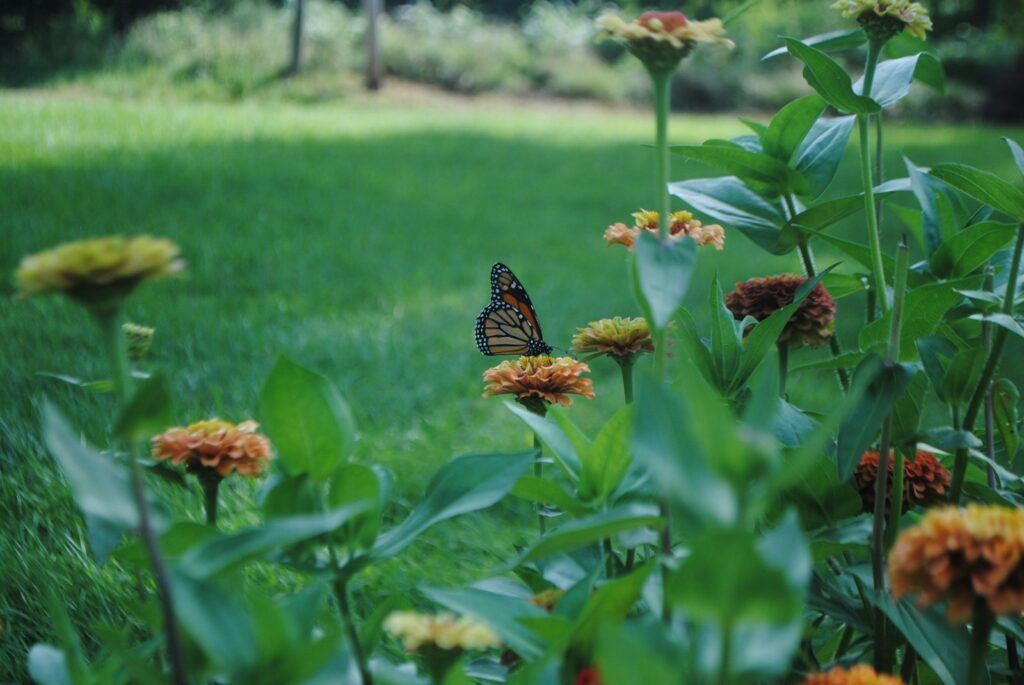
As your garden matures, you’ll begin attracting various butterfly species, each with unique behaviors and preferences. Keep a butterfly field guide or identification app handy to identify your visitors and learn about their specific needs. Place flat rocks in sunny spots to create basking areas where butterflies can warm their wings, making them more visible for observation and photography. Consider keeping a garden journal to record first sightings, breeding activity, and which plants seem most attractive to different species.
Some butterflies are territorial and may return to the same garden repeatedly, allowing you to observe their behavior over time. Patient observation during warm, still days will reward you with the best butterfly activity, particularly during mid-morning and late afternoon.
Extending Your Butterfly Habitat
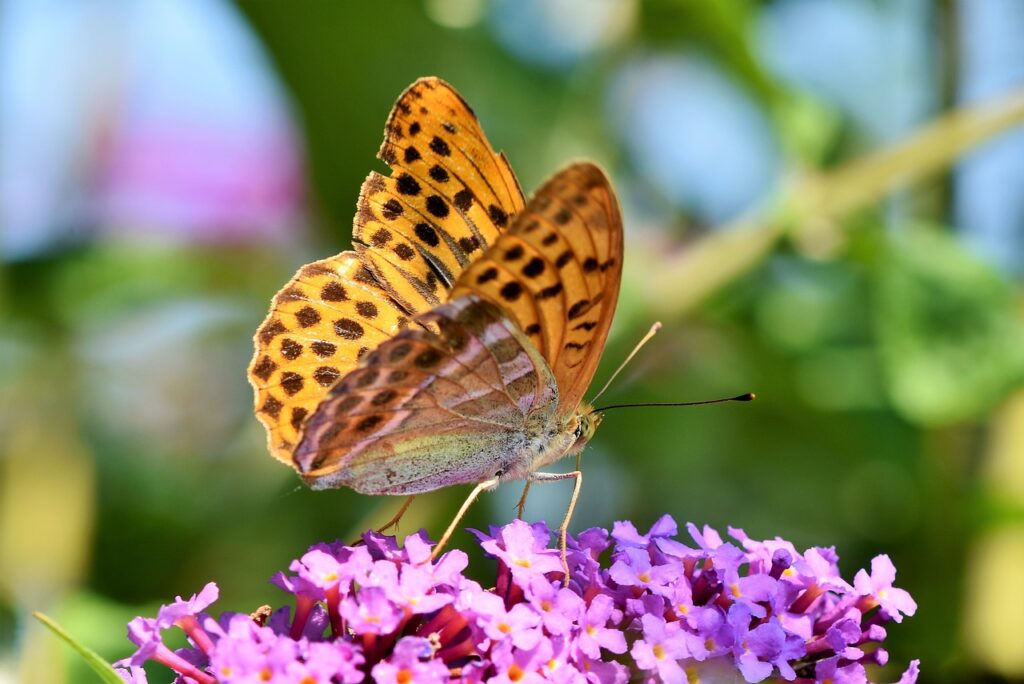
Once your raised bed butterfly garden is established, consider expanding your butterfly-friendly habitat to other areas of your yard. Create satellite nectar stations with container plantings on patios or balconies to draw butterflies into different viewing areas. Connect your raised bed to other garden spaces with butterfly “corridors” of native flowering plants that provide safe travel routes. If space allows, consider installing additional raised beds with slightly different plant selections to attract a wider variety of butterfly species.
Encourage neighbors to plant butterfly-friendly species, creating a neighborhood habitat corridor that supports larger butterfly populations and migration patterns. Remember that even small additions to butterfly habitat can have significant positive impacts on local populations, especially in urban environments where natural habitat is limited.
Troubleshooting Common Issues
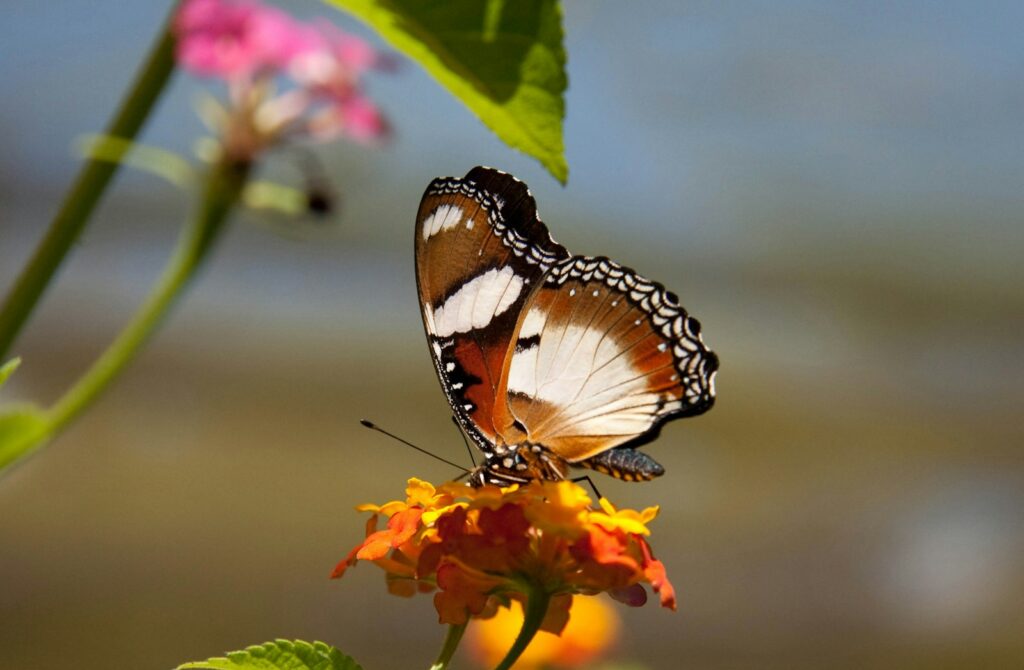
Even well-planned butterfly gardens can encounter challenges that require thoughtful solutions. If caterpillars are defoliating certain plants, resist the urge to intervene—this is a natural part of the butterfly life cycle, and plants typically recover. For aggressive spreaders like mint or some milkweed species, install root barriers inside your raised bed or dedicate separate containers to these plants. If birds are preying heavily on caterpillars, consider adding lightweight netting over host plants during peak caterpillar season.
Fungal issues can develop in humid conditions; improve air circulation by proper plant spacing and watering at soil level rather than overhead. If certain butterfly species aren’t visiting despite appropriate plant selection, evaluate nearby environmental factors like pesticide use or lack of connecting habitat corridors that might be affecting butterfly populations.
Conclusion: Start Your Butterfly Garden Today
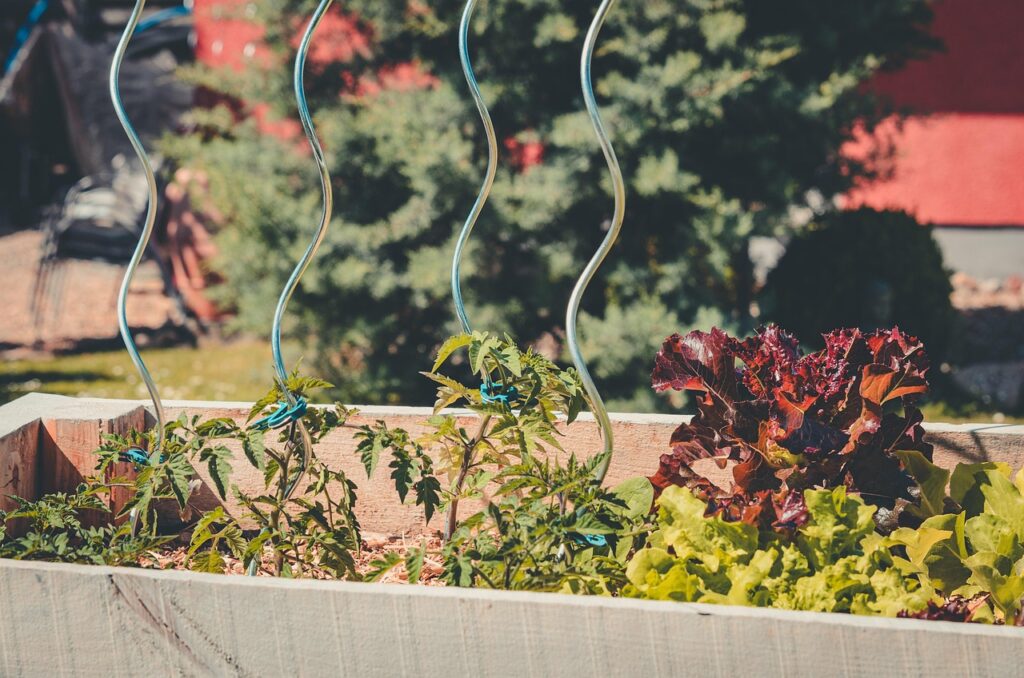
Building a butterfly garden in a raised bed combines the joy of gardening with meaningful conservation action. The controlled environment of a raised bed makes it easier to create ideal conditions for both butterflies and their essential plants. By providing nectar sources, host plants, and appropriate habitat features, you’ll create a vibrant ecosystem that supports these remarkable insects throughout their life cycle.
As your garden matures, the increasing butterfly activity will bring movement, color, and life to your outdoor space while contributing to the preservation of these important pollinators. Whether you’re a beginning gardener or experienced enthusiast, a butterfly raised bed offers accessible, rewarding connections to the natural world right outside your door.