

The humble vinegar has been a cleaning powerhouse for generations, but let’s face it—its pungent aroma isn’t winning any fragrance awards. Enter scented vinegar cleaners: the perfect marriage of effective, eco-friendly cleaning and delightful aromas that transform cleaning from a chore to a sensory pleasure.
These DIY cleaners harness vinegar’s natural disinfecting and degreasing properties while infusing your home with customized scents from herbs, citrus peels, essential oils, and more. Not only are these cleaners better for your health by eliminating harsh chemicals, but they’re also budget-friendly alternatives to expensive store-bought products. Let’s explore how you can create your own signature scented vinegar cleaners that will revolutionize your cleaning routine.
Understanding the Power of Vinegar as a Cleaner
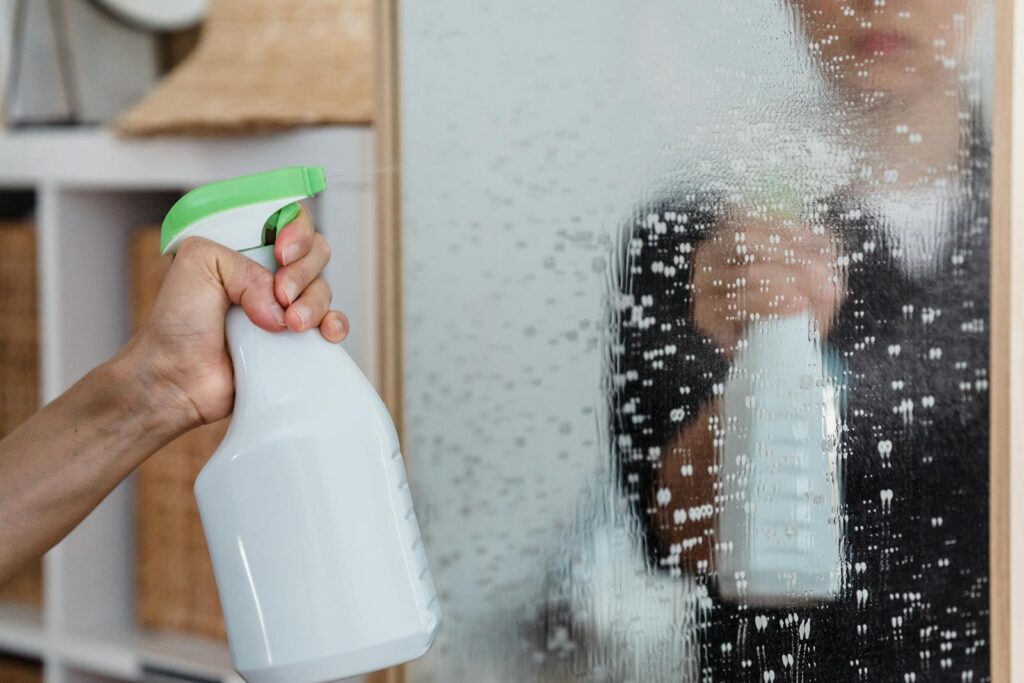
Vinegar, particularly white distilled vinegar, contains acetic acid which makes it a natural disinfectant and deodorizer capable of killing certain bacteria and mold. This pantry staple works effectively to cut through grease, remove mineral deposits, and dissolve sticky residues without the harsh chemicals found in many commercial cleaners.
The acidity in vinegar makes it particularly effective for tasks like descaling coffee makers, cleaning windows to a streak-free shine, and removing hard water stains from bathroom fixtures. Though vinegar isn’t registered as a disinfectant with the EPA and won’t kill all germs, studies have shown it can eliminate many common household bacteria, making it a valuable tool in your cleaning arsenal.
Benefits of Using Scented Vinegar Cleaners
Scented vinegar cleaners offer multiple advantages beyond just making your cleaning routine more pleasant. First, they’re environmentally friendly, breaking down completely without leaving harmful residues that can affect waterways and ecosystems. They’re also remarkably cost-effective—a gallon of white vinegar costs a fraction of what you’d pay for specialized cleaning products, especially when diluted for various cleaning tasks.
Health benefits cannot be overlooked, as homemade vinegar cleaners eliminate exposure to respiratory irritants, endocrine disruptors, and other concerning chemicals found in many commercial cleaners. Finally, creating scented vinegar cleaners allows for personalization, enabling you to design cleaning products with aromas that elevate your mood or complement your home’s existing scent profile.
Essential Supplies for Making Scented Vinegar Cleaners
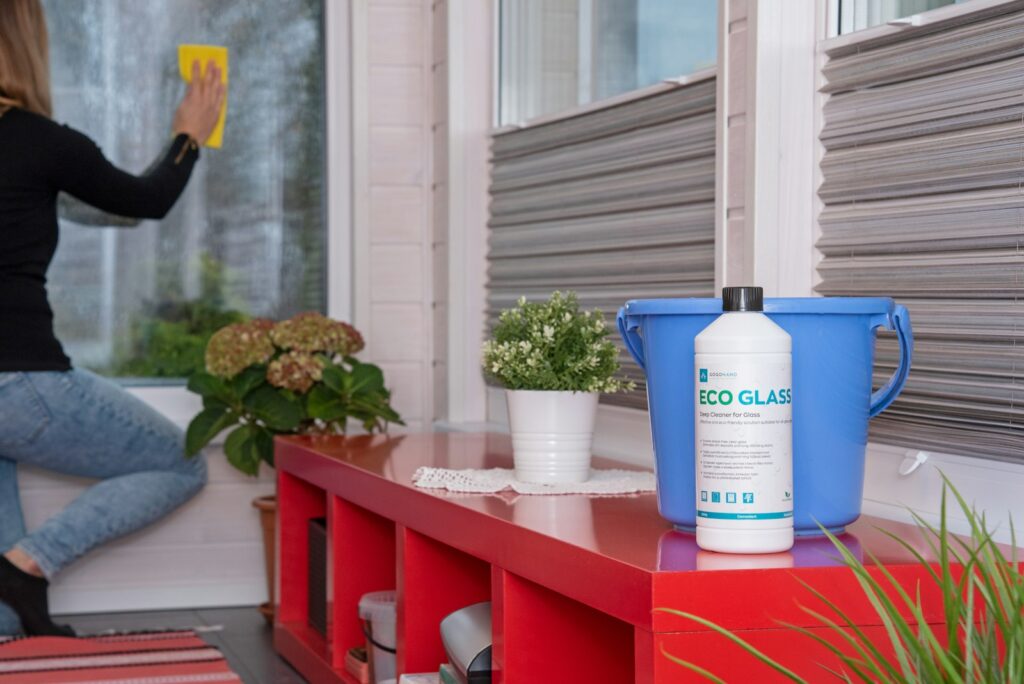
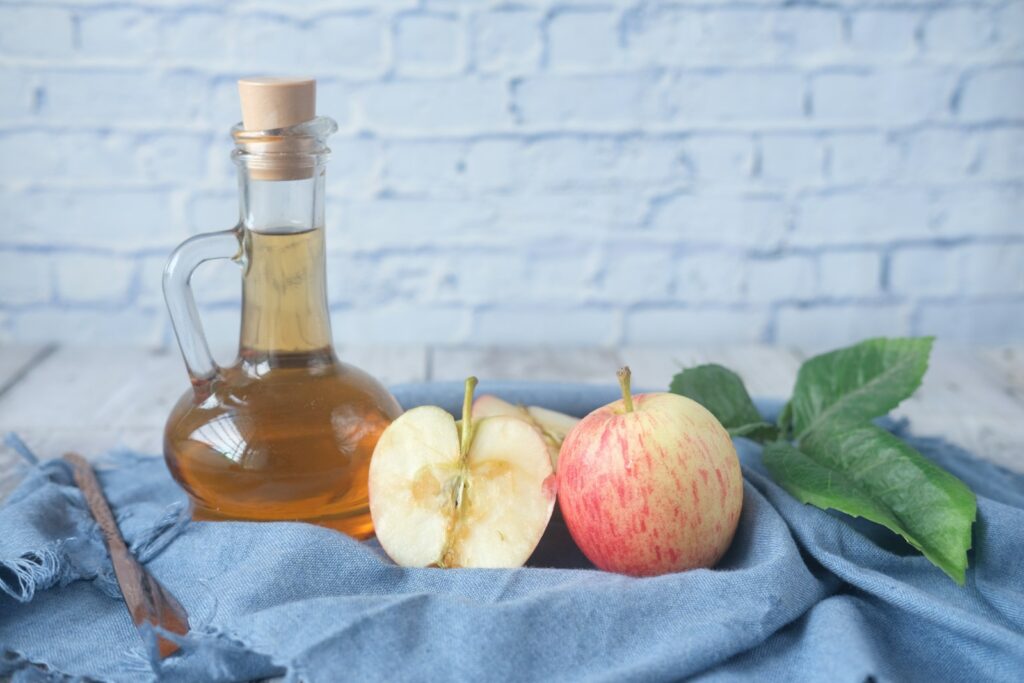
Before beginning your scented vinegar cleaner journey, gather the necessary supplies to ensure a smooth process. The foundation of your cleaner will be white distilled vinegar, which should be 5% acidity and is widely available in grocery stores. You’ll need glass containers for both the infusion process and storage—Mason jars work excellently for infusions, while amber or cobalt glass spray bottles protect scented cleaners from light degradation.
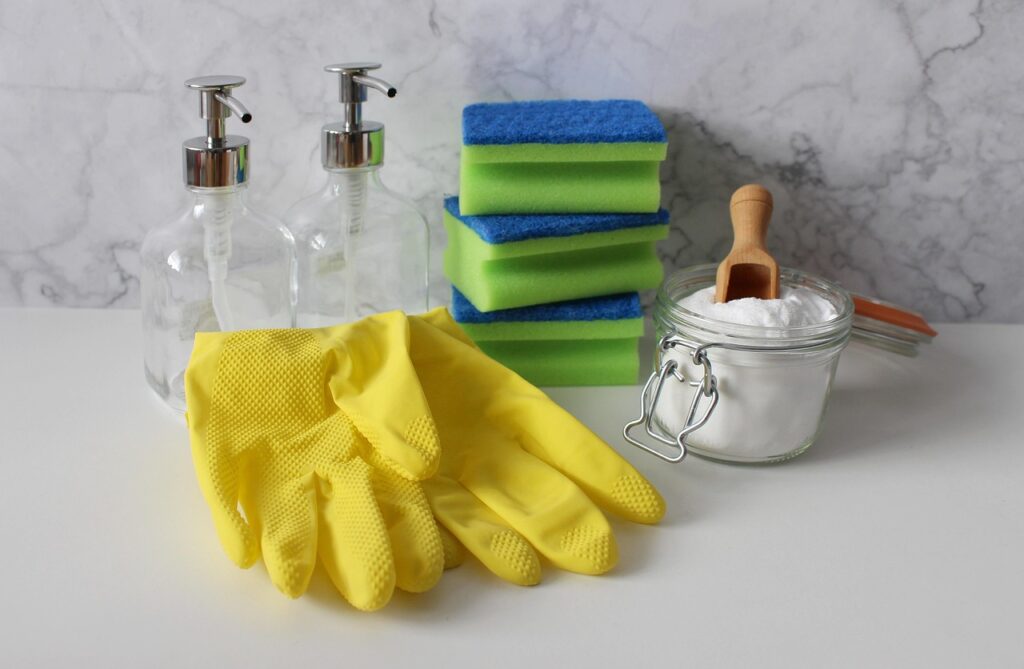
For scenting agents, consider collecting citrus peels, fresh or dried herbs, spices like cinnamon sticks or cloves, and a selection of essential oils for various cleaning purposes. Additional helpful tools include a fine-mesh strainer or cheesecloth for filtering infused vinegar, a funnel for transferring liquids without spills, and labels and markers to identify your different cleaner formulations and their creation dates.
Basic Citrus-Infused Vinegar Cleaner Recipe

A citrus-infused vinegar cleaner represents perhaps the most popular and versatile scented option, with the added benefit of citrus oils enhancing vinegar’s cleaning power. Begin by collecting peels from lemons, oranges, grapefruits, or limes—organic fruits are preferable to avoid pesticide residues. Pack the peels loosely into a large glass jar, filling it about halfway, then pour white vinegar over them until they’re completely submerged.
Seal the jar tightly and store it in a cool, dark place for two weeks, shaking it gently every few days to agitate the mixture. After the infusion period, strain the liquid through a fine-mesh sieve or cheesecloth to remove all solids, then transfer your beautifully scented vinegar to spray bottles, diluting it with equal parts water for general cleaning purposes.
Herb-Infused Vinegar Cleaners

Herb-infused vinegar cleaners offer subtle, sophisticated aromas while adding natural antibacterial properties to your cleaning solution. Rosemary, thyme, lavender, and mint make excellent choices, each bringing their unique scent profiles and beneficial properties to the mixture. To create an herb-infused cleaner, place approximately 1-2 cups of fresh herbs (or half that amount if using dried) into a quart-sized glass jar, slightly crushing or bruising the herbs first to release their essential oils.
Pour white vinegar over the herbs until completely covered, then seal the jar tightly and allow it to infuse in a dark place for 1-3 weeks, depending on how strong you want the scent. After straining out the plant material, your herb-infused vinegar can be diluted with water at a 1:1 ratio for an all-purpose cleaner that works beautifully on countertops, floors, and bathroom surfaces.
Essential Oil Vinegar Cleaner Formulations
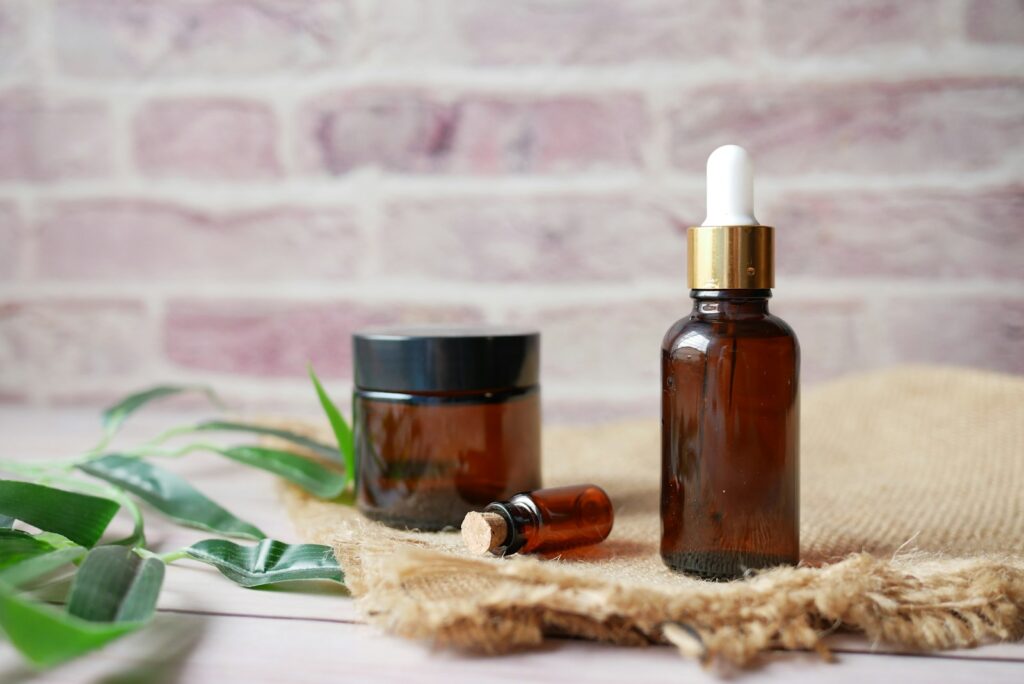
Essential oils offer perhaps the quickest route to scented vinegar cleaners while providing additional cleaning benefits through their natural properties. A simple formula begins with mixing one part white vinegar with one part water in a glass spray bottle, then adding 20-25 drops of essential oils per cup of solution. Citrus oils like lemon, orange, or grapefruit add degreasing power and uplifting scents perfect for kitchen cleaning.
Tea tree, eucalyptus, and pine oils contribute antibacterial properties ideal for bathroom cleaners. Lavender combined with vinegar creates a soothing, fresh-scented solution perfect for bedroom and living area surfaces. For particularly stubborn cleaning jobs, consider adding a teaspoon of liquid castile soap to your mixture, which will help emulsify the oils and enhance the cleaner’s effectiveness on greasy surfaces.
Specialty Scented Vinegar for Bathroom Cleaning

Bathroom cleaning presents unique challenges that benefit from specially formulated scented vinegar solutions. Create a powerful bathroom cleaner by infusing vinegar with rosemary and tea tree essential oil, both of which have antimicrobial properties that complement vinegar’s cleaning abilities. For shower doors and tiled surfaces plagued by soap scum, develop a vinegar solution infused with lemon peels and enhanced with additional lemon essential oil, creating a potent formula that cuts through residue while leaving a clean, fresh scent.
Toilet cleaning benefits from a eucalyptus-mint infused vinegar, which can be used full-strength (without dilution) for maximum effectiveness against stains and odors. For fixtures with stubborn mineral deposits, create a specialized descaling spray by infusing vinegar with citrus peels, then warming the strained solution slightly before application to enhance its effectiveness against calcium and lime buildup.
Kitchen-Specific Vinegar Cleaner Blends
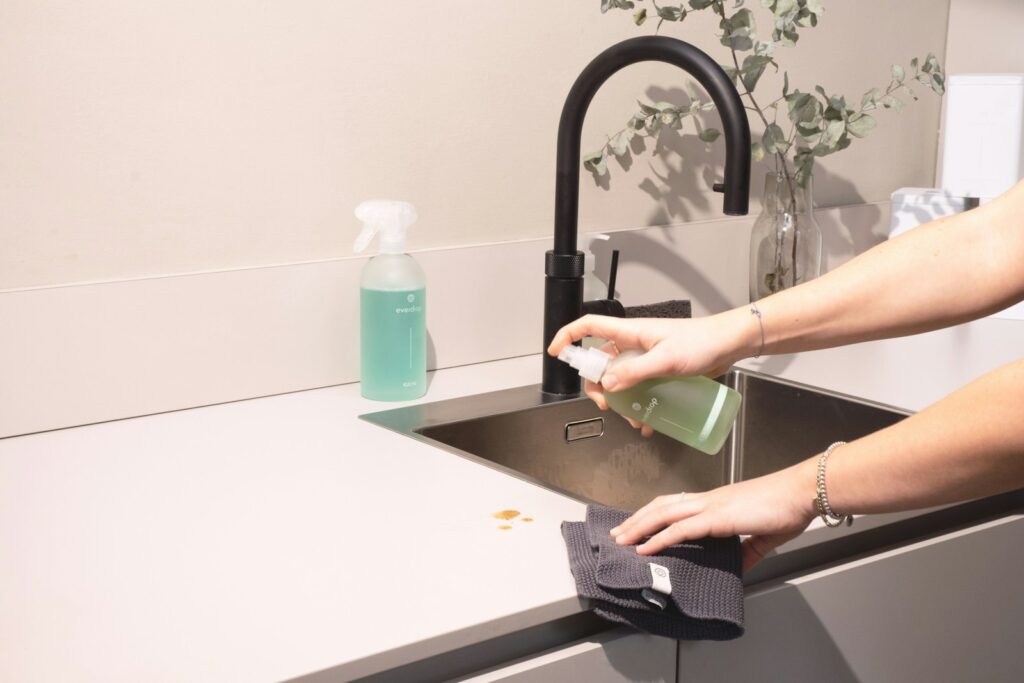
The kitchen demands cleaning solutions that can tackle grease, food residue, and potential pathogens while leaving behind pleasant, food-compatible aromas. A powerful degreasing spray can be created by infusing vinegar with orange peels and adding 10-15 drops of sweet orange and lemongrass essential oils to the strained solution, resulting in a cleaner that cuts through cooking residues effectively. For wooden cutting boards and butcher blocks, develop a specialized cleaner using vinegar infused with thyme and rosemary, both known for their antibacterial properties, diluted slightly more than usual (1:2 vinegar to water) to protect wood surfaces.
Refrigerator cleaning benefits from a mild, food-friendly scented vinegar made with fresh cucumber slices and mint leaves, creating a clean, crisp scent that won’t contaminate food odors. For stainless steel appliances, enhance your vinegar cleaner with a small amount of olive oil after cleaning to create a polishing effect that removes fingerprints and adds shine.
Floor Cleaning Solutions with Scented Vinegar

Floor cleaning requires solutions that are effective yet gentle enough for various flooring materials, and scented vinegar provides an excellent foundation. For general hard flooring, create a pine-scented vinegar solution by adding pine essential oil to vinegar infused with rosemary, resulting in a forest-fresh cleaner that works well on sealed hardwood, laminate, and tile. Ceramic and porcelain tile floors benefit from a vinegar solution infused with lemon and thyme, which cuts through grime in grout lines while leaving a clean, herbaceous scent.
For stone floors that can tolerate mild acidity (always check manufacturer recommendations), develop a specially diluted solution using vinegar infused with lavender and a small amount of castile soap to enhance cleaning without damaging the surface. When mopping, always use your scented vinegar solutions diluted at approximately ¼ cup vinegar solution to 1 gallon of warm water to avoid any potential damage to flooring while still benefiting from vinegar’s cleaning properties.
Troubleshooting Common Issues with Vinegar Cleaners
Even with careful preparation, you might encounter challenges with your homemade scented vinegar cleaners that require troubleshooting. If the vinegar smell remains overpowering despite infusion, try increasing the scenting materials, extending the infusion time, or adding more essential oils to the final product. For cleaners that develop cloudiness or visible particles after straining, perform a second filtration through a coffee filter, which can remove even the tiniest plant particles that might have passed through the initial straining.
If you notice mold developing during the infusion process, unfortunately, the batch should be discarded—this typically happens when fresh ingredients weren’t completely submerged in vinegar or when containers weren’t properly sterilized beforehand. For essential oil vinegar cleaners where the oils separate and float to the top, add a teaspoon of solubol (a natural dispersant) or shake vigorously before each use to temporarily reincorporate the oils into the solution.
Storing and Using Your Scented Vinegar Cleaners

Proper storage ensures your scented vinegar cleaners maintain their effectiveness and fragrance over time. Always store finished cleaners in glass bottles—dark amber or cobalt glass provides protection from light that can degrade both the vinegar and the essential oils or infused compounds. Label each bottle clearly with the contents, dilution ratio, and date of creation, using waterproof labels that won’t deteriorate with handling.
Most scented vinegar cleaners remain effective for 3-6 months when stored properly in a cool, dark place, though those containing essential oils may begin to lose their scent potency after 2-3 months. When using your cleaners, remember that different surfaces may require different applications—spray directly on glass and hard surfaces, apply with a dampened cloth on wooden surfaces, and always test in an inconspicuous area when using on new or delicate materials.
Surfaces to Avoid with Vinegar Cleaners

While vinegar makes an excellent cleaner for many surfaces, its acidic nature means there are some materials where it should never be used. Natural stone surfaces including marble, granite, and limestone can be etched and damaged by vinegar’s acidity, requiring specialized pH-neutral cleaners instead. Cast iron and seasoned cookware should never be cleaned with vinegar, as it strips away the carefully built-up seasoning layer that provides non-stick properties.
Electronics and screens require specialized cleaning methods without the moisture and potential conductivity of vinegar solutions. Certain hardwood floors, particularly those with penetrating oil finishes rather than polyurethane seals, can be damaged by vinegar’s acidity breaking down the oils and drying out the wood over time. Always consult manufacturer guidelines before using any vinegar-based cleaner on specialized surfaces or expensive items.
Creative Gift Ideas for Scented Vinegar Cleaners
Homemade scented vinegar cleaners make thoughtful, practical gifts that introduce others to the benefits of natural cleaning. Create beautiful gift sets by packaging complementary scented vinegar cleaners in matching glass spray bottles, decorating them with custom labels that list ingredients and uses. Consider themed collections like “Citrus Kitchen Cleaning Kit” with lemon all-purpose cleaner, orange degreaser, and grapefruit countertop spray, or “Herbal Bathroom Collection” featuring lavender, eucalyptus, and rosemary-scented cleaners for different bathroom surfaces.
Include instruction cards detailing which surfaces each cleaner works best for and proper dilution guidelines if the recipient needs to refill the bottles. For an extra special touch, pair your scented vinegar cleaners with complementary items like natural fiber cleaning cloths, wooden scrub brushes, or handmade cotton produce bags to create an eco-friendly home care package that introduces friends and family to more sustainable cleaning practices.
Environmental and Health Benefits of Switching to Homemade Cleaners

Transitioning to scented vinegar cleaners represents a significant step toward reducing your environmental footprint and creating a healthier home environment. Commercial cleaning products contribute to indoor air pollution through volatile organic compounds (VOCs) that can trigger asthma, headaches, and respiratory irritation, while homemade vinegar cleaners eliminate these chemical exposures. The packaging waste from store-bought cleaners—plastic bottles, triggers, and cardboard—creates substantial environmental impact, whereas reusable glass bottles for homemade solutions dramatically reduce waste generation.
Water systems benefit when you switch to vinegar cleaners, as conventional cleaning chemicals can pass through treatment plants and impact aquatic ecosystems, while vinegar breaks down harmlessly. Perhaps most powerfully, making this switch helps create consumer demand for safer products overall—when more households reject harsh chemicals in favor of natural alternatives, manufacturers receive a clear message about changing consumer priorities, potentially influencing broader industry practices toward more environmentally responsible formulations.
Your Eco-Friendly Cleaning Journey
Creating your own scented vinegar cleaners represents a perfect blend of practicality, creativity, and environmental responsibility. With just a few simple ingredients, you can develop a personalized cleaning arsenal that tackles household messes effectively while filling your space with natural fragrances that elevate the cleaning experience. Beyond the satisfaction of DIY accomplishment, these cleaners offer significant health benefits by eliminating exposure to harsh chemicals, substantial cost savings compared to commercial products, and meaningful environmental impact through reduced packaging waste and chemical runoff.
As you experiment with different infusions and essential oil combinations, you’ll likely discover signature blends that become household favorites, transforming cleaning from a dreaded chore into a sensory pleasure. Consider this guide your starting point for a more natural cleaning journey—one where effectiveness meets sustainability in every fresh-scented spray.